Overview
- Understanding what to expect during hair loss treatment recovery helps you prepare for each stage, from the initial healing period to the exciting phase of new growth.
- Whether you’ve undergone a transplant, PRF, or another restorative procedure, knowing the common symptoms, timelines, and tips for care ensures you can manage your recovery with confidence and patience.
- With proper guidance and consistent aftercare, you’ll be well on your way to seeing long-lasting, natural-looking results.
Hair loss treatments have become a life-changing solution for people struggling with thinning hair, bald spots, or weakened follicles. From men and women dealing with genetic hair loss to those experiencing postpartum shedding or stress-related thinning, these treatments offer hope and real results.
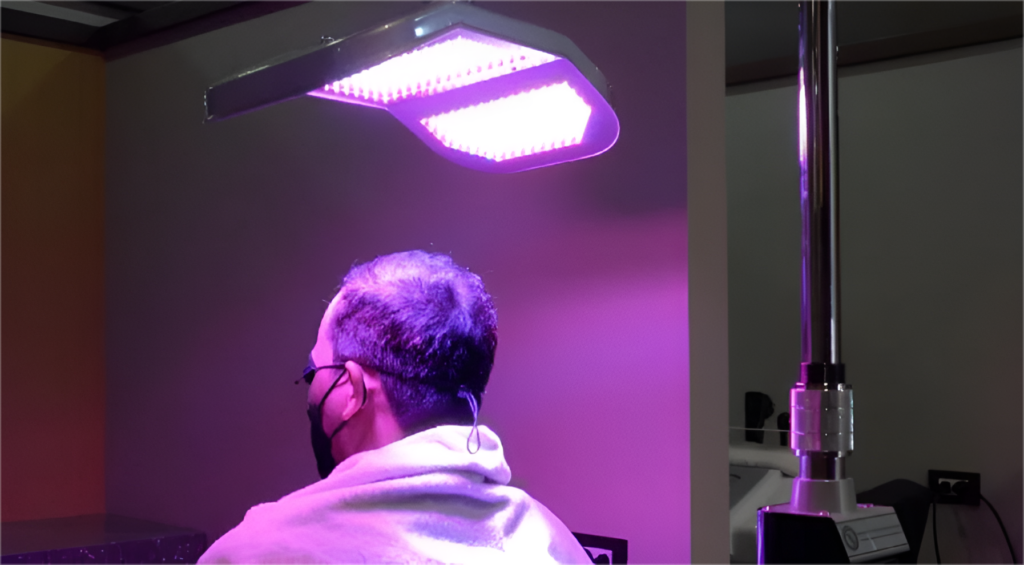
Undergoing a hair transplant is a major step in your hair restoration journey, and it’s natural to wonder what comes after the procedure. At Svenson, we offer several proven solutions for hair loss, each designed to address different needs and stages of thinning.
In this article, we will explore what to expect during hair loss treatment recovery so you can feel more confident and prepared every step of the way.
Immediate Aftermath (first few days to week)

The first week after a hair loss treatment is an important stage where your body starts adjusting and healing. Here’s what you can generally expect:
Common Symptoms
It’s normal to experience mild and temporary side effects after your treatment. These usually ease on their own within a few days. You may notice:
- Redness or slight swelling around the treated area
- Mild tenderness or sensitivity on the scalp
- Small scabs or flakes if you had a transplant procedure
- Temporary shedding before new growth begins
Procedures
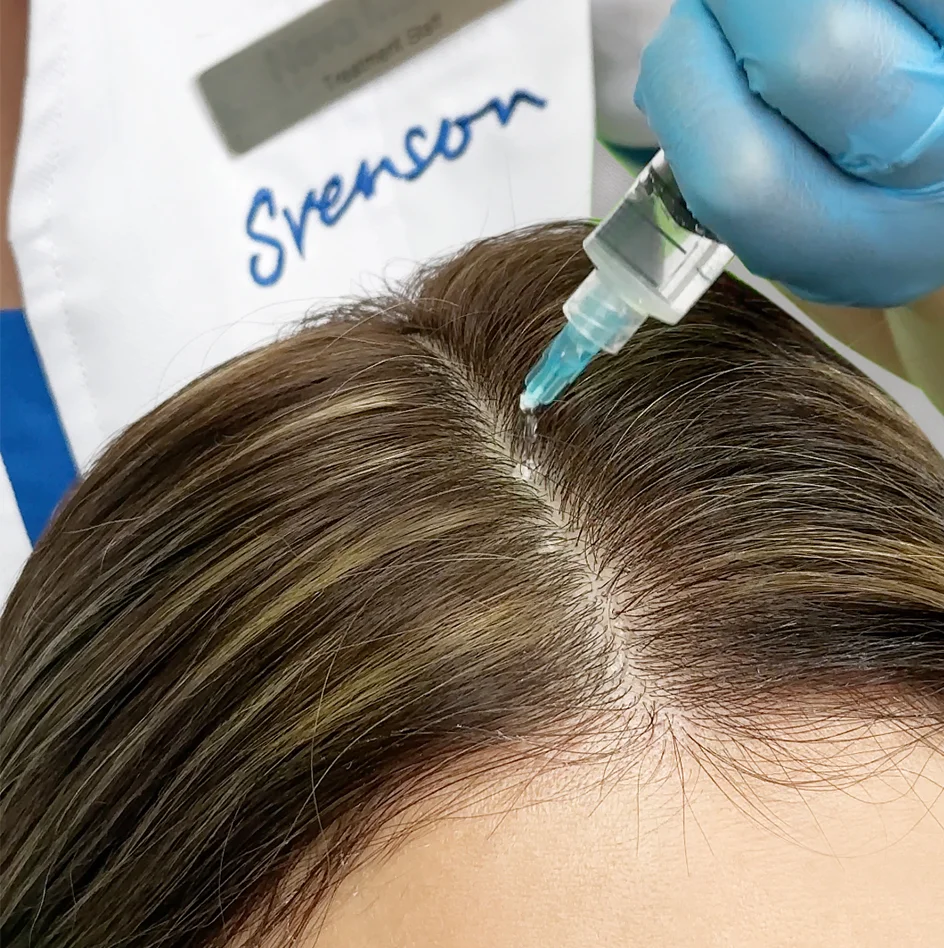
Depending on the treatment, you may need minor aftercare steps. For example, after PRF or transplant sessions, your scalp may be cleaned gently by your specialist and bandaged to protect the area. These measures support healing and lower the risk of irritation or infection. Your clinic will usually schedule a follow-up to monitor early recovery.
Activity
During the first week, it’s best to take things slow. Light, everyday activities are fine, but avoid strenuous exercise, swimming, or anything that causes excessive sweating. Overheating or pressure on the scalp can affect healing. Resting and protecting your scalp allows your follicles to recover properly. You’ll be guided when it’s safe to resume your routine.
Medication
Your doctor may recommend mild pain relievers to ease discomfort or prescribe antibiotics to prevent infection, depending on the procedure. For some treatments, topical solutions or soothing sprays may also be advised to keep your scalp hydrated and calm.
Always follow the instructions carefully and avoid self-medicating, so your recovery remains smooth and effective.
Early Recovery (Weeks 1–4)
As your scalp continues to heal, you may notice changes that are all part of the normal recovery process. This stage is where your body adjusts, and your follicles begin preparing for new growth.
- Shedding – It’s normal to experience temporary shedding, as weaker hairs fall out to make room for stronger regrowth.
- Physical Symptoms – Mild itching, flaking, or tightness on the scalp may appear, but these usually improve as healing progresses.
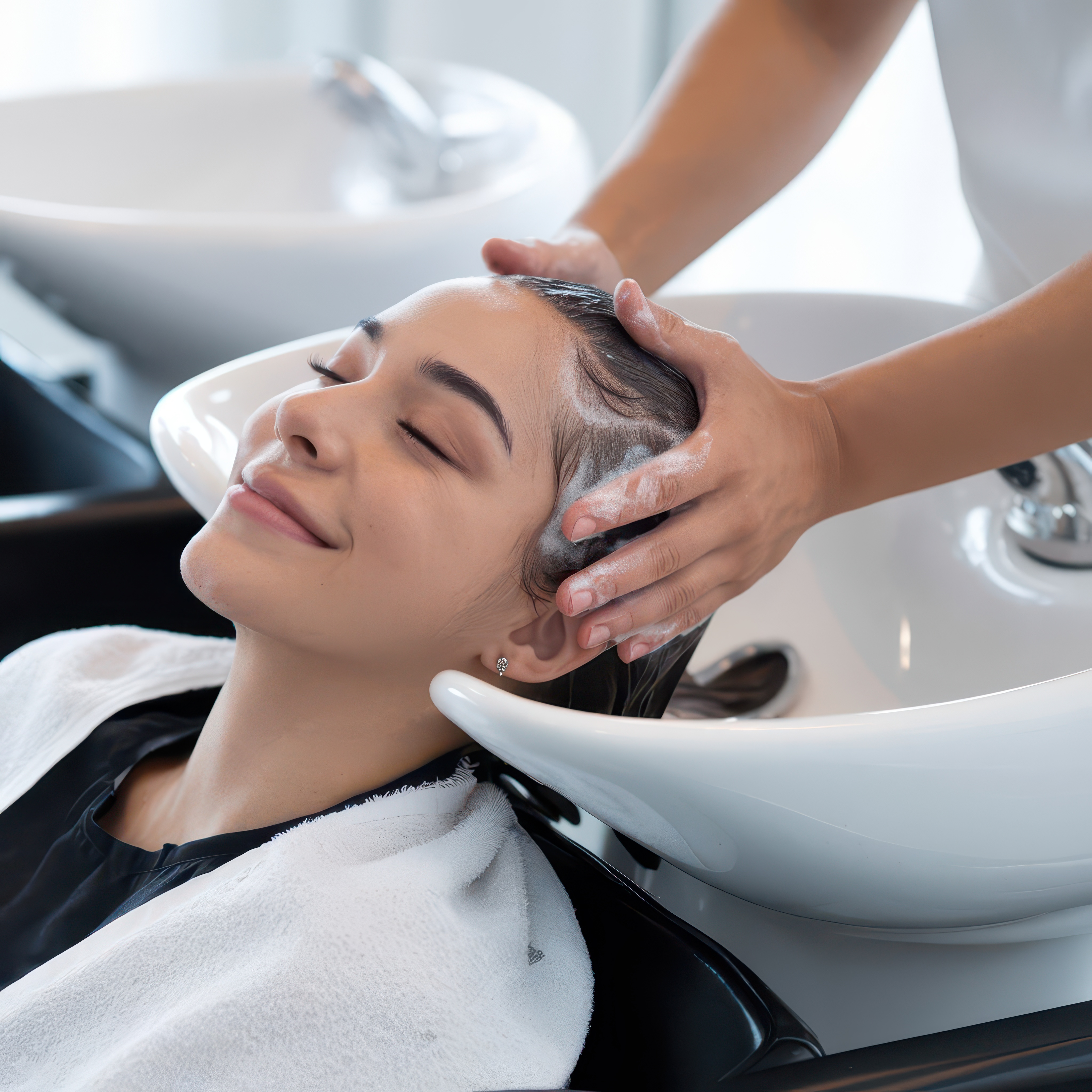
- Hygiene – Gentle washing with recommended products helps keep your scalp clean without disrupting the delicate recovery stage.
Growth and Maturation (Months 2–12)
The months following your treatment are when real transformation begins. During this period, your hair gradually shifts from early regrowth to fuller, healthier strands.
- Regrowth Begins – Around the second or third month, you’ll notice fine, soft hairs starting to emerge on your scalp.
- Gradual Thickening – Over the next several months, these new hairs become thicker, stronger, and more resilient, blending naturally with your existing hair.
- Full Results – By the 9th to 12th month, most patients see the outcome: denser, healthier-looking hair that restores both volume and confidence.
Tips for a Smooth Hair Loss Treatment Recovery

Recovery is just as important as the treatment itself, and knowing what to do can make your journey easier and more effective. With the right care, you can support healing and set yourself up for the best possible results.
- Be Gentle – Treat your scalp with care, avoiding scratching, rubbing, or harsh products as it heals.
- Follow Instructions – Stick to your provider’s aftercare guidelines so your scalp recovers smoothly and your results last longer.
- Patience – Remember that regrowth takes time, so trust the process and give your hair a chance to strengthen.
- Consult Your Doctor – Reach out to your specialist if you have questions or notice anything unusual for peace of mind and proper care.
Key Takeaway
Knowing what to expect during hair loss treatment recovery helps you set realistic expectations and approach the process with patience and confidence. Healing takes time, but each stage, from initial rest to gradual regrowth, brings you closer to healthier, fuller hair.
At Svenson, our team of experts is here to guide you through every phase of your recovery. With personalized care and proven treatments, we make sure your journey to restored hair is safe, effective, and rewarding. Book a consultation today and let us help you regain not only your hair but also your confidence.