What You Need to Know

Scalp psoriasis is a skin condition that can look similar to dandruff but is more complex. It creates unique challenges due to its location beneath the hair and its tendency to spread to nearby areas like the forehead and nape of the neck.

What is Scalp Psoriasis?

Scalp psoriasis is an autoimmune condition characterized by thick, heavy scales surrounded by red, inflamed skin. The scales may appear silvery or slightly discolored and may progress if not properly managed.

Scalp psoriasis can affect a small or larger area of the scalp and may extend beyond the hairline, behind the ears, or onto the back of the neck.
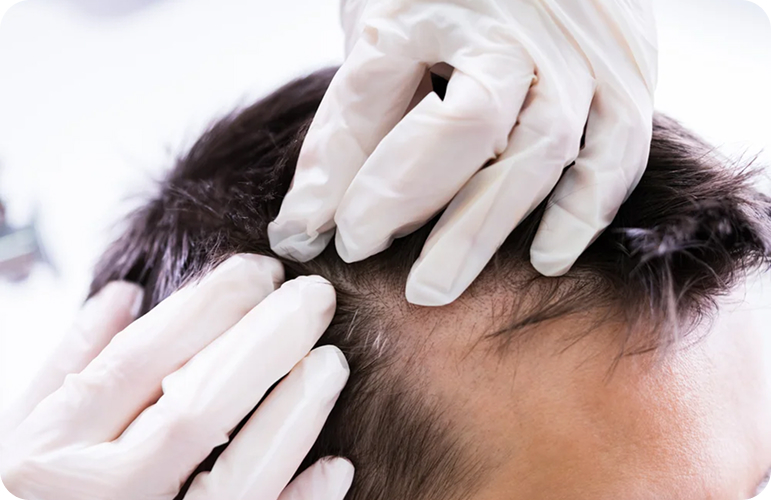
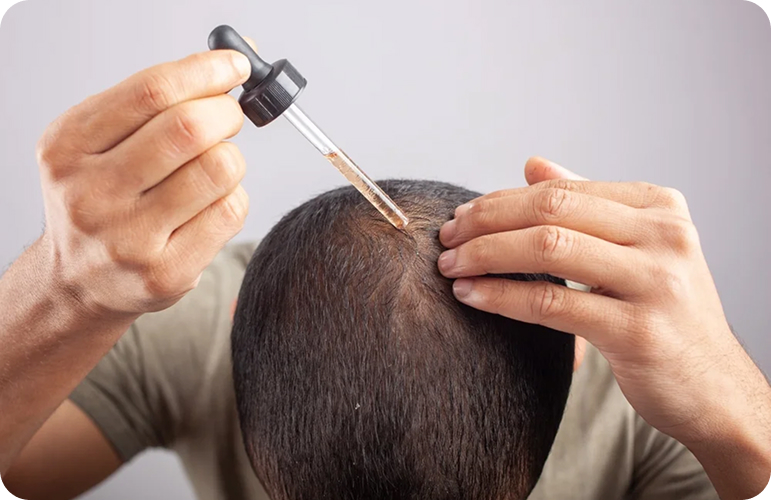
What distinguishes scalp psoriasis from psoriasis elsewhere:

  • Location and Spread: Primarily located on the scalp, though it can spread to the forehead, back of the neck, and area behind the ears.
  • Treatment Complexity: The presence of hair can make it challenging for topical treatments to reach the scalp surface.
  • Skin Thickness: The scalp’s skin is generally thicker than other areas, which may influence how symptoms appear and how certain treatments perform.

What are the Symptoms of Scalp Psoriasis?

Symptoms can range from mild to severe and may include:

  • Reddish Patches: From subtle spots to thick, inflamed areas that may spread beyond the hairline to the forehead and nape.
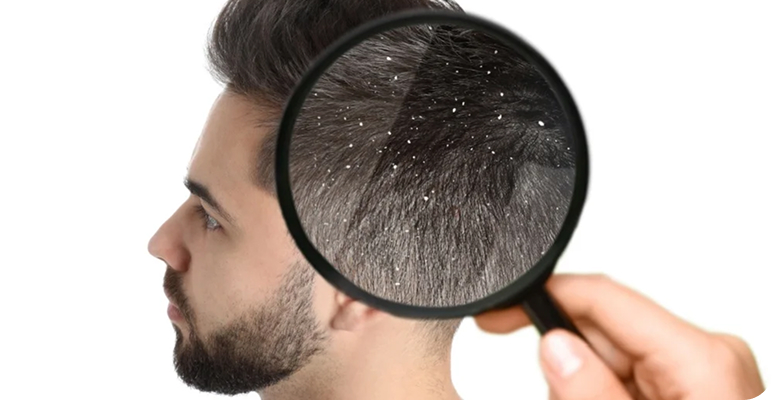
  • Dandruff-like Flaking and Silvery-White Scale: Distinguished from regular dandruff by a silvery sheen and dry scaling.
  • Extremely Dry Scalp: Dryness can escalate to the point where skin may crack and bleed.
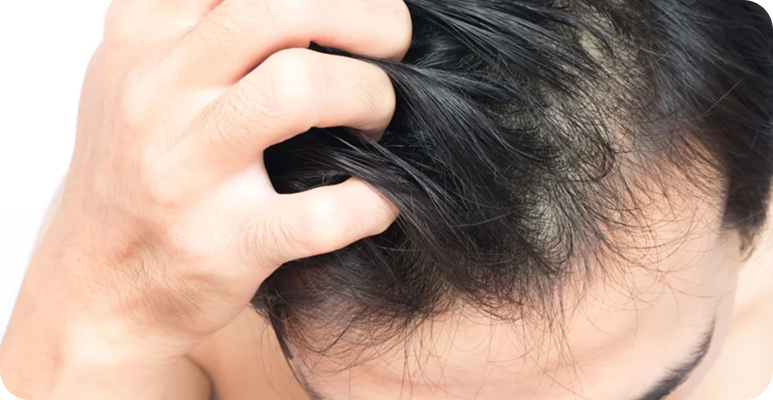
  • Itching: Ranging from mild to severe, intense itching can disrupt daily activities and sleep.
  • Bleeding: Scratching can cause the scalp to bleed and may worsen patches over time.
  • Burning Sensation or Soreness: Affected areas may feel sore or uncomfortable.
  • Temporary Hair Loss: Scratching or forceful scale removal can cause hair loss, though hair usually grows back once the condition is managed

Symptoms can vary in severity and may come and go, with some people experiencing occasional mild flare-ups while others have more frequent or severe episodes. Factors such as stress, cold weather, and dry air may trigger flare-ups. Symptoms can change depending on the individual and their environment.

How is Scalp Psoriasis Diagnosed?

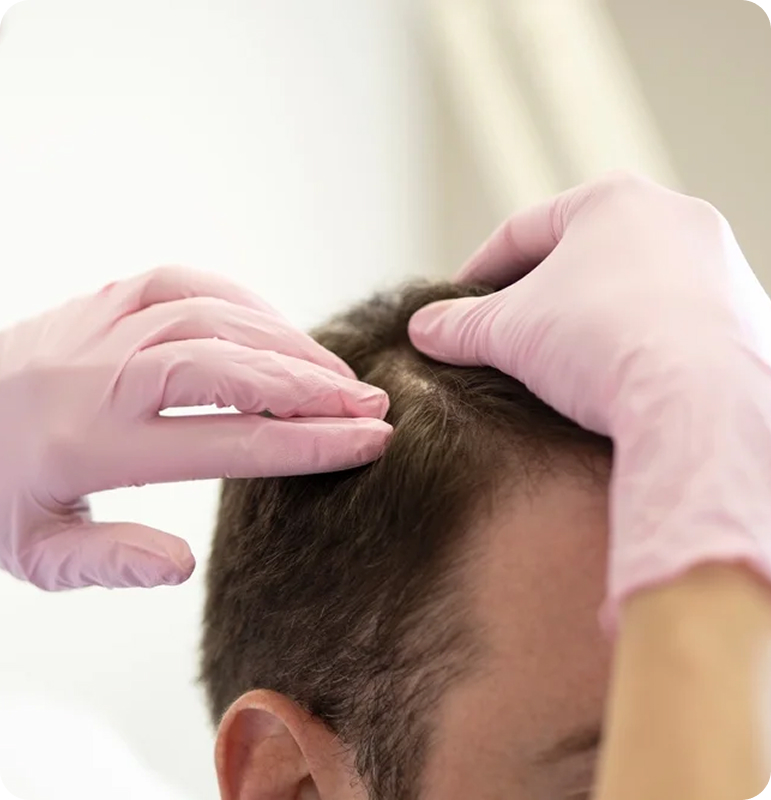
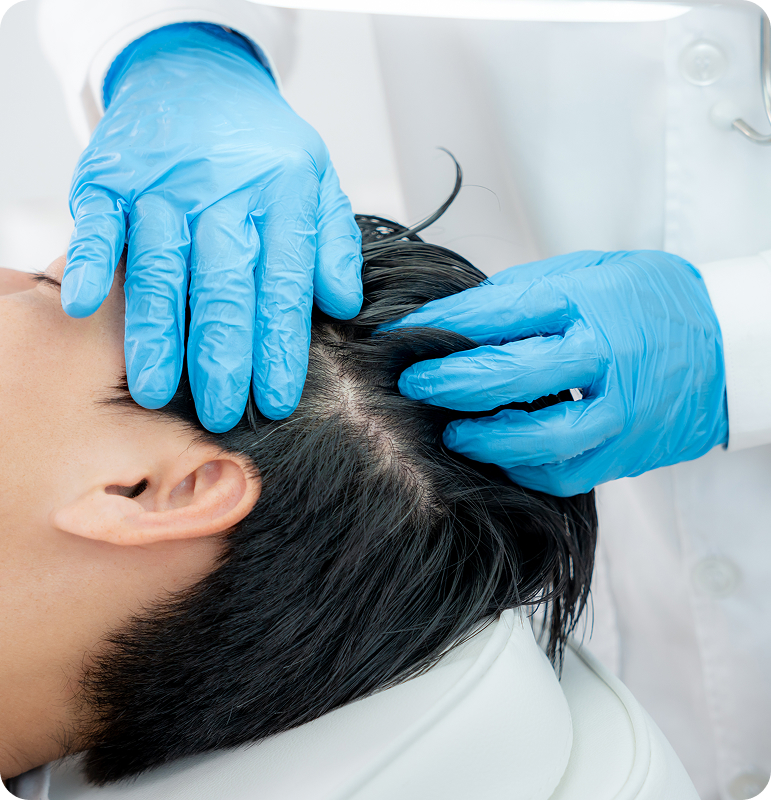
If you notice signs of scalp psoriasis, a doctor will assess your scalp and skin, and ask about your symptoms, family history, and any recent changes in medication or hair products.

If the initial assessment is inconclusive, a small skin biopsy may be taken to confirm the condition and rule out other causes such as fungal infections. Allergy and blood tests may also be conducted to help identify possible triggers and guide the most suitable treatment approach.

Understanding and Managing Scalp Psoriasis

Recognizing the signs of scalp psoriasis, such as redness, flaking, dryness, itching, or soreness, can help you seek the right care. If you notice these symptoms, consult a doctor for proper diagnosis and guidance on managing the condition.

Are You Ready to Talk to an Expert?

Have questions or ready to start your hair recovery journey? Reach out to our team today, and we’ll be happy to guide you every step of the way.

    Preferred Branch*

    Preferred Schedule*

    Message