The Truth About Gray Hair

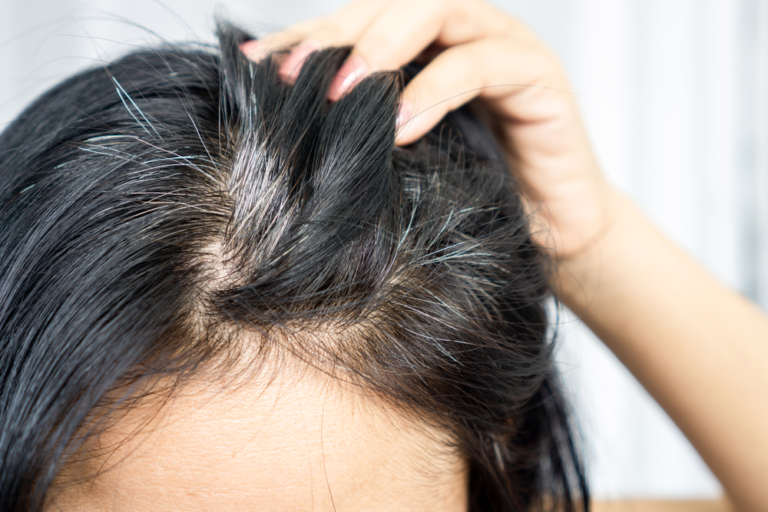
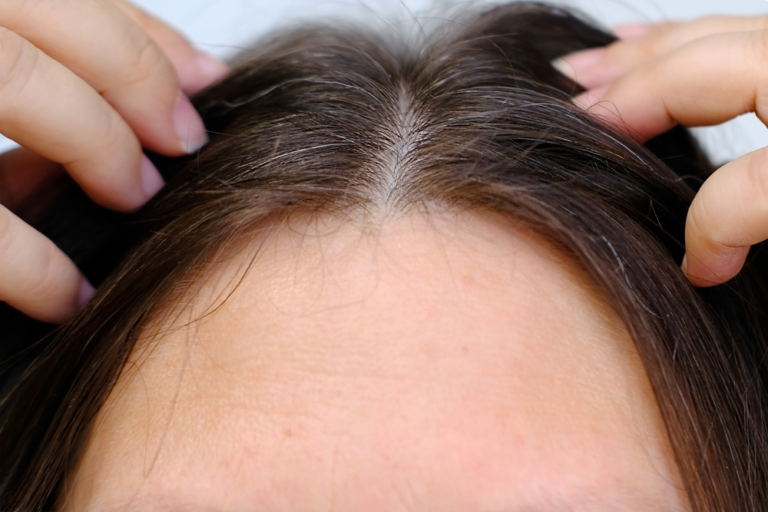
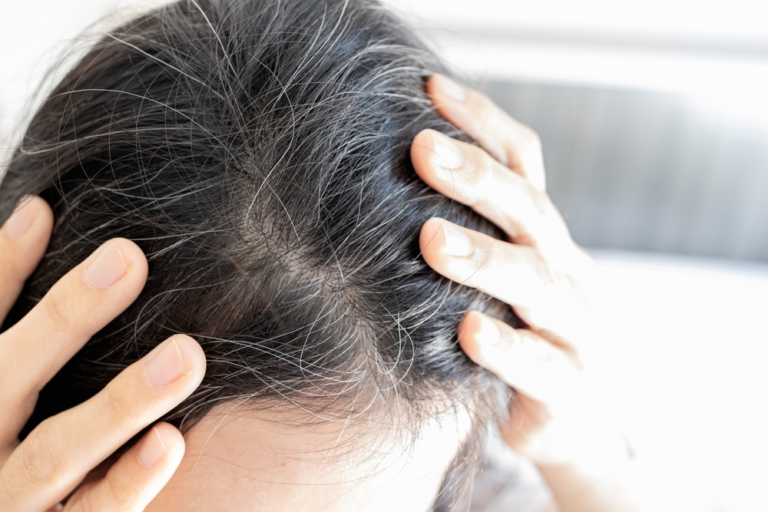
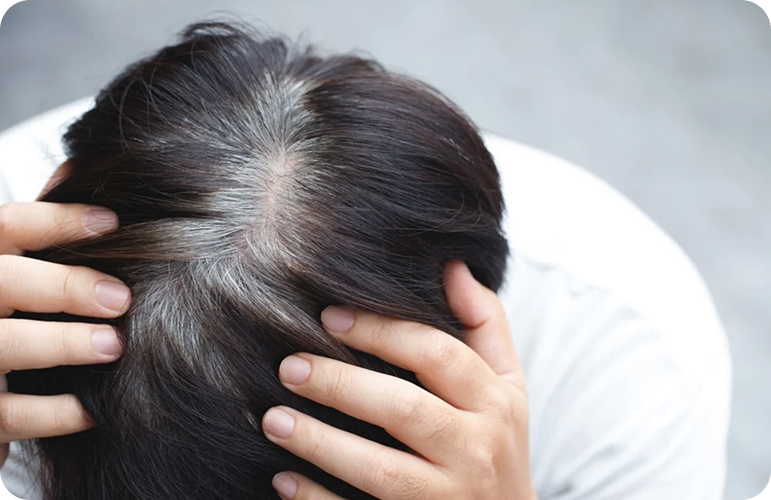
Gray hair is a natural part of aging. Research suggests that by age 50, half of men and women will have at least 50% gray hair.
Understanding the causes can help you manage the change and keep your hair looking healthy.

The Science Behind Hair Color

The human body has millions of hair follicles that generate hair and pigment cells that contain melanin. Melanin comes in two types: eumelanin (responsible for brown and black hair) and pheomelanin (responsible for blonde and red hair). The specific mix and concentration of these pigments give us our unique hair colors.

As we age, melanocyte activity gradually slows and may eventually stop, reducing the amount of pigment deposited into new hair strands and causing hair to turn gray or gray.

While aging is the most common reason, other factors can also influence how early or quickly this change occurs.
Reasons for Gray Hair

Genetics

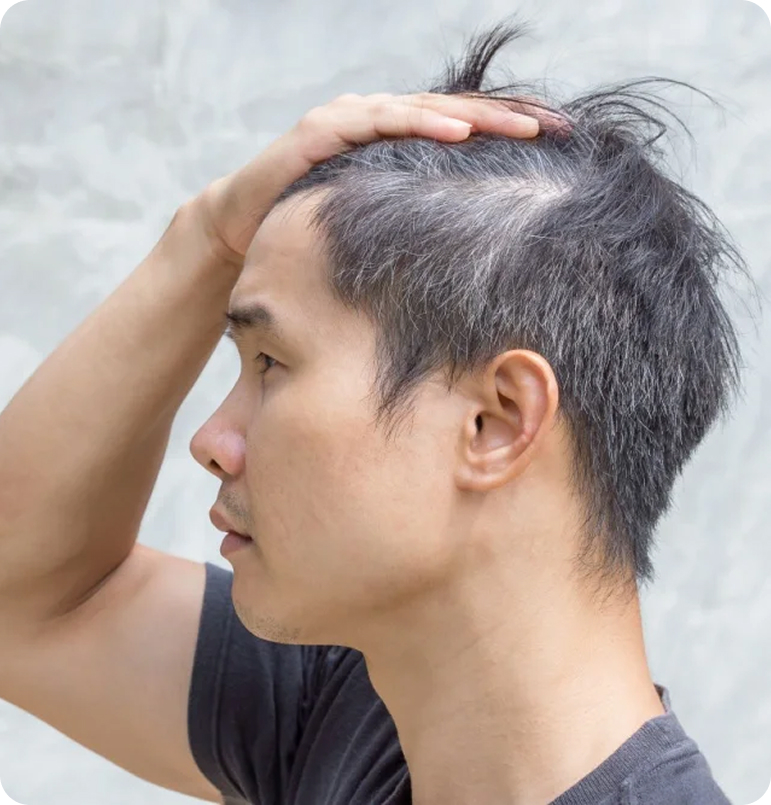
Genetics is one of the most significant causes of premature graying. Studies suggest people are three to five times more likely to gray early if their parents did before turning 30.

Stress

While stress alone does not directly cause gray hair, it can accelerate the process. Stress hormones like cortisol may deplete pigment-regenerating stem cells and trigger inflammation.

Nutritional Deficiencies

Deficiencies in B vitamins, iron, copper, and zinc can affect melanin production. A balanced diet rich in these nutrients may help maintain your hair’s natural color.

Medical Conditions and Medications

Autoimmune conditions like vitiligo and thyroid disorders can disrupt melanin production and contribute to graying. Certain medications, including chemotherapy drugs and some epilepsy treatments, may also cause hair discoloration.

Lifestyle

Smoking has been linked to premature graying, with studies showing smokers are more likely to develop gray hair before age 30.

Is Gray Hair Reversible?

If lifestyle factors or nutritional deficiencies are the cause, making the lifestyle adjustments may help with overall hair health and appearance.

Eat a balanced diet

Ensure adequate intake of B vitamins, iron, copper, and zinc through foods such as:

  • Fish
  • Fresh fruits and vegetables
  • Green tea
  • Olive oil

Supplements can also help counter deficiencies.

Reduce stress

Managing stress through exercise, meditation, or other relaxing activities can support overall hair health.

Avoid smoking

Quitting smoking benefits not just your hair but your overall health.

Get regular checkups

If you are concerned about premature graying, consult your doctor or dermatologist to determine the best course of action.

Hair Treatments to Keep Your

Hair Looking Young

If graying is caused by aging or genetics, it cannot be permanently reversed. However, Svenson offers treatments designed to help improve the appearance of hair and support a more youthful look.

How Anti-Aging Hair Treatments Work

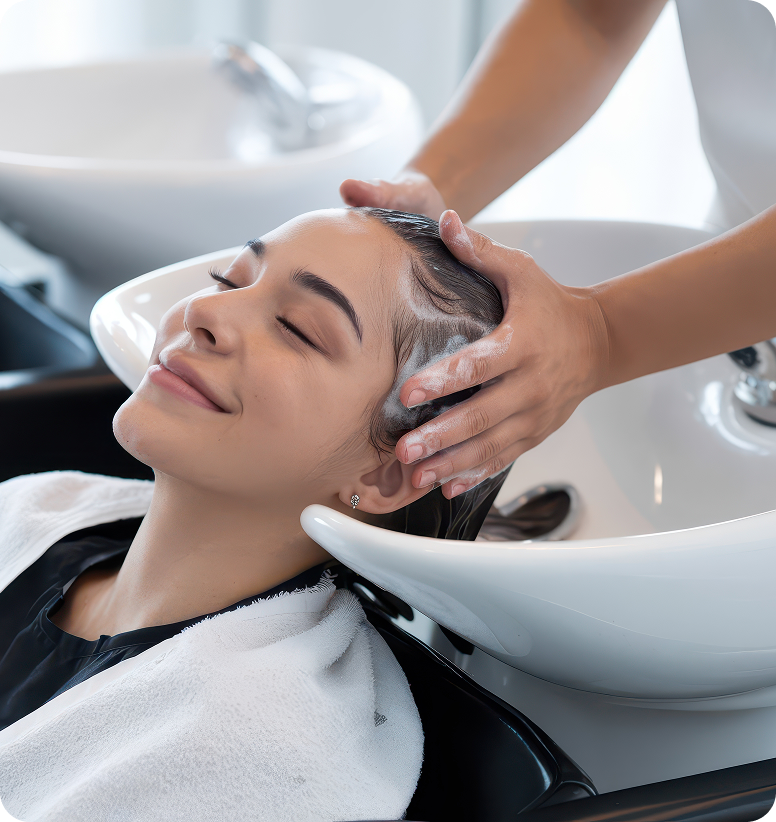
Anti-aging hair treatments are designed to help reduce hair fall, care for graying hair fibers, and support scalp health and hair strength. Treatments may involve scalp massages, exfoliation, and the application of nutrient-rich serums to help stimulate blood circulation and promote hair growth.

Addressing White Hair with Anti-Gray Treatments

Anti-gray hair treatments focus on melanocyte activation to encourage melanin production, using non-invasive, clinically tested ingredients for noticeable results with minimal downtime.

Caring for Your Hair, Inside and Out

While you cannot completely prevent graying, understanding the causes can help you make the necessary adjustments. At Svenson, our treatments help support a healthy scalp and better-looking hair at any age. Contact us today.

Are You Ready to Talk to an Expert?

Have questions or ready to start your hair recovery journey? Reach out to our team today, and we’ll be happy to guide you every step of the way.

    Preferred Branch*

    Preferred Schedule*

    Message