Understanding Androgenetic Alopecia: Causes and Treatments
November 17, 2023
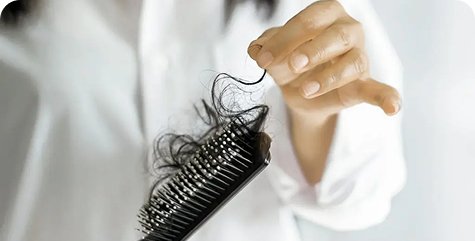
Our hair is the pinnacle of self-esteem and individuality. The way we style it gives us the confidence we need to get through the day. Sometimes, our hair may suffer from health issues, leading to excessive hair fall. And when hair fall becomes uncontrollable, it will impact every aspect of our well-being. Individuals who experience this are said to have androgenetic alopecia. But what is this condition exactly?
In this article, we’ll cover everything you need to know about androgenetic alopecia, including its causes and treatments.
What is Androgenetic Alopecia?
Androgenetic alopecia, or pattern hair loss, is a condition that results in hair thinning and hair loss. This hair loss develops gradually after the onset of puberty. It is a common form of hair loss that is not life-threatening but can be emotionally upsetting.
To further understand how this condition occurs, let us refresh how the hair growth cycle works. The normal hair growth cycle has four stages:
Growing Phase (Anagen): This is when your hair starts to grow. It’s the longest phase, lasting around three to five years, and it decides how long your hair can get.
Transition Phase (Catagen): Next comes the transition phase. During this time, your hair follicles get smaller, and your hair doesn’t grow much. This phase only lasts about ten days, affecting around 5% of your hair.
Resting Phase (Telogen): After that, there’s the resting phase that goes on for about three months. You will not experience any new hair growth or hair loss during this time. About 10-15% of your scalp hairs are in this phase.
Shedding Phase (Exogen): Finally, we have the shedding phase where hair falls out of your scalp. This happens more when you wash or brush your hair, and it’s normal to lose around 50-100 hairs daily during this phase.
Normally, the hair grows at a relatively constant rate. In androgenetic alopecia, the growing phase gets shorter each time, while the transition phase stays the same or even gets longer. This means that as time passes, each new hair will be shorter than the last. Eventually, the growing phase will become so short that your hair will never emerge from the skin, leaving behind an empty hair follicle.
Let us look more closely at how this condition affects men and women.
Male Pattern Hair Loss
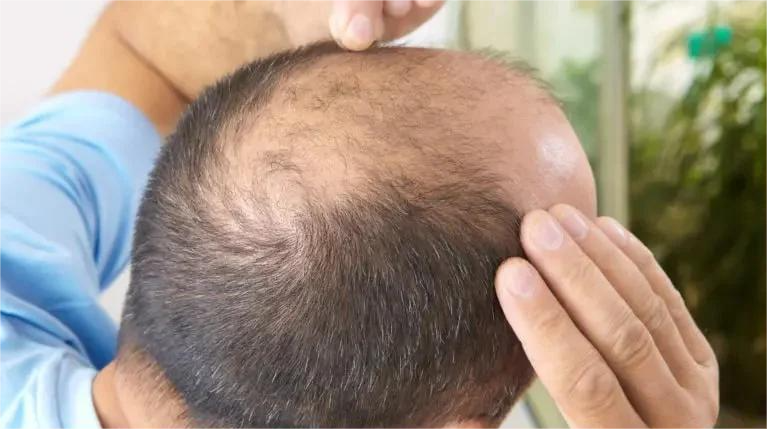
Pattern hair loss happens in both men and women. Male pattern androgenetic alopecia manifests initially as bitemporal thinning of the front scalp and progresses to involve the vertex. About 30-50% of men will experience hair loss due to androgenetic alopecia by the time they reach age 50. However, males can experience it in their late teens or early twenties. Genetic baldness is usually the main cause of this hair condition in men.
Clinicians use the Hamilton-Norwood Scale to measure the severity of male pattern baldness. It has seven stages:
Stage 1: No noticeable hair loss, and the hairline remains intact
Stage 2: Minor recession of the frontal hairline, typically in a symmetrical pattern
Stage 3: The hairline recedes noticeably at both temples and takes on a diffuse M, U, or V shape
Stage 4: More severe hairline recession and hair loss at the crown become more pronounced
Stage 5: Frontal and crown thinning worsens, and the hair that connects the two areas gets thinner
Stage 6: There is extensive hair thinning in the front and crown regions, with only a narrow strip of hair connecting them
Stage 7: A severe form of baldness characterized by horseshoe-shaped hair thinning on the head’s top and sides
Female Pattern Hair Loss
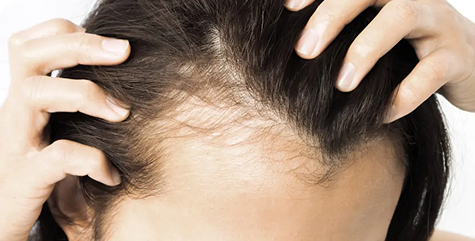
Female pattern baldness is characterized by a wider or more obvious scalp and hair thinning between the front and vertex of the scalp without impacting the hairline. One of the causes of female androgenetic alopecia is telogen effluvium.
Telogen effluvium is when you lose a lot of hair during the resting phase. It can happen if you’re going through a tough time, like stress, or if you’ve been taking certain medications. The thing is, telogen effluvium usually shows up one to six months after a stressful event. So, if you notice more hair in your brush, it could indicate that something has been stressing out your body. Down the road, telogen effluvium could also reveal other hair-related issues, like pattern baldness.
Doctors use the Ludwig classification to describe female androgenetic alopecia. There are three types of this system:
Type I: Mild hair loss that can be covered up by clever styling
Type II: A reduction in volume and a noticeable widening of the mid-line part
Type III: Diffuse thinning that leaves the crown of the head exposed
Genetics and aging are the two main culprits for both men and women experiencing pattern hair loss. Apart from that, here are some factors to consider:
Genetics
Pattern baldness is a polygenic disorder because it is caused by genes from both the mother and the father. It has a strong genetic component; male offspring are at a five- to sixfold increased risk if their fathers are balding. That is why genetics is one of the leading causes of hair fall in men.
Androgen is also essential for androgenetic alopecia to develop. It emerges after puberty. Males with androgen insensitivity syndrome or who undergo circumcision before reaching puberty do not experience pattern baldness. The androgen receptor and the hormonal metabolism play important roles in the development of balding patterns.
Age
Androgenetic alopecia is a natural result of the aging process. As you get older, your hair follicles may become more sensitive to androgens, leading to hair thinning and loss. Usually, the crown thins first, and then the hairline recedes.
This hair loss condition manifests as early as adolescence, with the risk increasing with age. In fact, more than half of men over the age of 50 experience hair loss. In females, hair loss usually occurs following menopause, but other external factors can influence it.
Hormonal Changes
As its name implies, androgenetic alopecia is predisposed genetically and is likely caused by an overly strong reaction to androgen. Researchers have established that androgens, particularly dihydrotestosterone (DHT), are linked to this type of genetic hair loss. Androgens are necessary for normal male sexual development before and during puberty. Furthermore, this hormone serves essential roles in both sexes, including regulating hair growth and sex drive.
Androgens also play a role in female pattern hair loss, but other unknown factors are also at work. It usually happens after menopause due to an excess of male hormones like testosterone and DHT caused by rapidly declining estrogen. In addition to menopause, ovarian cysts, high-androgen birth control pills, and pregnancy can all cause hormonal fluctuations that cause androgenetic alopecia.
The activity of androgen receptors in your hair follicle can also influence your hair’s natural growth and shedding cycles. When the androgen receptors are active, your hair’s growth cycle is shortened, the hair becomes thinner, and hair strands are replaced less frequently.
How Can Pattern Hair Loss Impact Quality of Life?
Androgenetic alopecia is more than a cosmetic issue; it can seriously affect a person’s well-being, manifesting in various ways that can take its toll over time. Understanding these implications is crucial for those affected by the condition and those who care for someone who is struggling with it.
Here’s how androgenetic alopecia can impact one’s life:
Lowered Self-Esteem
Hair loss can have a profound impact on self-esteem and self-confidence. It can lead to feelings of embarrassment and self-consciousness, affecting social interactions and mental health. Additionally, pattern hair loss can make you feel like you’re losing a part of your identity. Many people have an emotional investment in their hair, making the gradual thinning or loss of hair a traumatic experience.
Added Psychological Effects
The psychological effects of androgenetic alopecia can extend to anxiety and depression. Coping with hair loss can be emotionally challenging. Stress and anxiety can build up if you constantly second-guess how others will react to your changing physical appearance. Anxiety can show itself in several ways, including increased self-doubt, isolation, and trouble keeping relationships going.
Quality of life can diminish further when the emotional trauma of hair loss progresses into clinical depression. Seeking emotional support from friends, family, or a mental health professional is vital to navigating the emotional complexities that often accompany pattern baldness.
Impacted Career and Social Life
The perceived loss of attractiveness due to hair loss can affect professional and social relationships. People may feel judged or unfairly treated because of how they look.
People experiencing androgenetic alopecia may feel less confident giving presentations or speaking up in meetings because of their thinning hair. They might also shy away from networking events because they are self-conscious about their appearance. The pressure to “look good” in social situations makes making new friends and going on dates stressful. Because of these worries, people may withdraw from society and pass up valuable social opportunities.
What Are the Possible Treatments for Androgenetic Alopecia?
Androgenetic alopecia is a progressive condition that will only worsen when left untreated. Fortunately, there are medications and procedures individuals can take to slow hair thinning. Let’s take a look at some of them:
Medication
Two drugs approved by the FDA for treating pattern baldness are topical minoxidil and finasteride. These medications typically require a trial period of at least four to six months before noticeable improvement occurs. Additionally, they need to be used indefinitely to maintain a positive response. And before starting any medication, consulting with a healthcare provider is recommended to discuss potential side effects and determine if the chosen treatment is suitable.
Minoxidil
Minoxidil is an FDA-approved over-the-counter topical medication available in both liquid and foam formulations. The process works by keeping the hair in its growth phase for longer by boosting circulation to the follicles. Research shows that this androgenetic alopecia treatment can stop further hair loss and, in some cases, even stimulate new hair growth. The recommended usage is once or twice daily direct application to the scalp.
Finasteride
Finasteride is a medication available by prescription that treats genetic hair loss. The formula prevents testosterone from being transformed into DHT, a hormone that has been linked to balding. It lowers DHT levels and helps preserve and promote hair growth, particularly in the crown area. It’s taken orally in pill form, usually on a daily basis.
Hair Transplant
Hair transplantation is a surgical procedure in which healthy hair follicles are moved to bald or thinning areas of the scalp. This method can give you a more permanent solution to hair loss and a more natural look.
In recent years, less invasive and more precise hair restoration methods have become available thanks to advancements in hair transplant surgery. These include follicular unit transplantation (FUT) and follicular unit extraction (FUE). If you want to restore your full head of hair, these procedures may be the way to go. However, we recommend consulting a doctor first for the best possible action to treat androgenetic alopecia.
DHT Hair Solutions
There are also non-invasive therapies out there to combat genetic hair loss. One of them is DHT hair solutions. You can stop your hair loss from progressing further by using a treatment that blocks the effects of dihydrotestosterone. The most effective treatment for hair loss is a DHT hair solutions, which blocks the conversion of testosterone to dihydrotestosterone in the body.
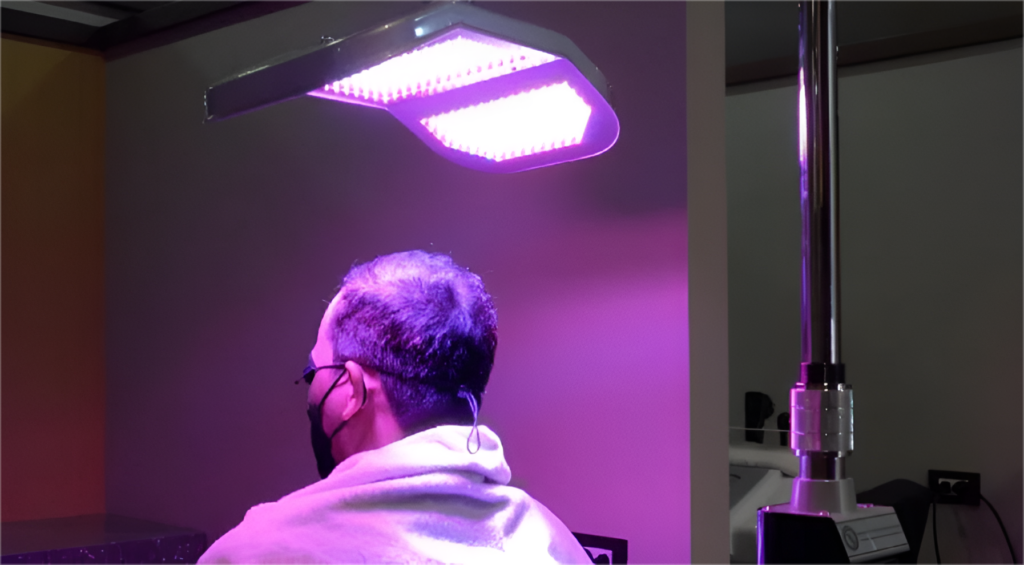
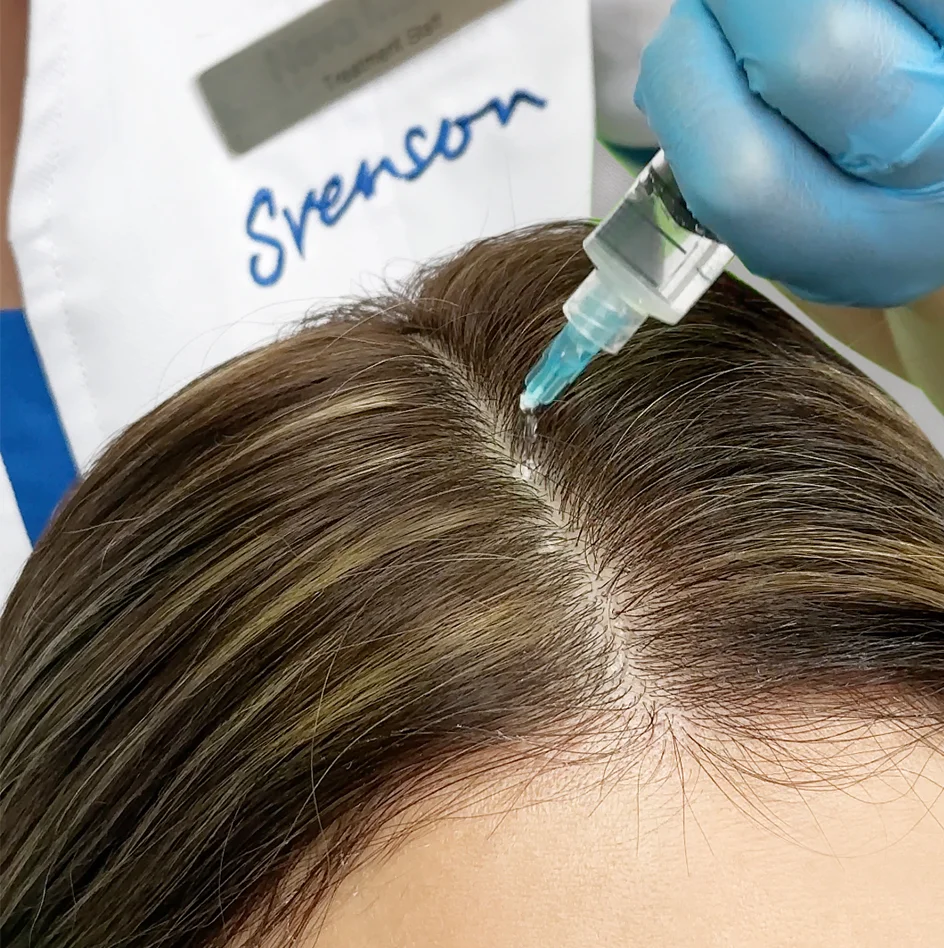
Finding a hair care solution that addresses DHT-related hair thinning, such as Svenson’s DHT Hair Solutions, may be a suitable option. These hair stabilizer treatments are designed to address concerns associated with DHT while supporting scalp health and the appearance of fuller, healthier-looking hair. As a non-surgical approach, these treatments can be incorporated into your routine without downtime, allowing you to continue your daily activities. To determine whether this treatment is suitable for your needs, consider consulting a qualified healthcare or hair care professional.
Do Not Let Androgenetic Alopecia Hold You Back
Androgenetic alopecia is a genetic condition that can impact one’s well-being and way of life. Without proper knowledge, those experiencing it are only prolonging their struggle. But, by knowing this information, individuals can take proactive steps toward managing hair loss and regain a more positive outlook on life.
Remember, pattern baldness affects men and women. It might be more common in males, but females can also experience it due to genetics, age, and hormonal changes. If you believe you have androgenetic alopecia, the best course of action is to see a doctor who can recommend the most suitable treatment for your condition.
Do not let this progressive condition interfere with your life! Early intervention often yields the best results in preserving and regrowing hair, offering hope and confidence to those experiencing this common condition. Need more information on adrogenetic alopecia, its causes, and the most effective treatments? Contact us today, and our hair experts will gladly assist you.
Related Blogs
September 29, 2026
Postnatal Hair Loss Treatment
After giving birth, many women experience a shedding of hair retained during pregnancy. Svenson’s hair stimulant treatments are designed to help support new hair growth...
Alopecia areata is an autoimmune disorder that causes patchy hair loss. Left unaddressed, it can progress and worsen over time. Svenson’s hair stimulant treatments are...
Thinning hair can stem from genetics, stress, or hormonal imbalance. A women’s hair loss specialist at Svenson will assess your condition and recommend treatments tailored...