Overview
- In this article, you’ll learn what may be triggering your thinning, how these factors affect your scalp and strands, and how you can take proactive steps to manage it before the problem becomes more advanced.
- And for women who already see visible changes or want guided, expert-based treatments, Svenson offers personalized hair thinning solutions tailored to your scalp condition and specific type of hair loss.
Women juggle so many roles every single day: work, family, relationships, personal goals, and everything in between. And sometimes, these pressures and lifestyle shifts don’t just affect emotions; they can also affect your hair.
You may notice your strands looking finer, shedding a little more than usual, or your ponytail feeling less full. But what are the real causes of hair thinning? In this article, we will explore what exactly causes thinning hair for females and how you can navigate it with knowledge and confidence.
What Causes Thinning Hair for Females

Thinning hair in women can happen gradually and silently, sometimes before you even notice strands getting lighter, weaker, or fewer.
Understanding what’s causing it helps you identify the right steps to protect your hair early.
Hormonal and Genetic Causes
Postpartum hair fall is a very common example of hormonal causes of hair thinning. After you give birth, your hormones drop, and your hair cycle shifts dramatically; that’s why you suddenly notice more strands on your pillow or on the shower floor.
The same thing happens during menopause. This is when estrogen levels go down, and your hair naturally becomes finer. And yes, genetics can also influence this. If your mom had thinning hair, there’s a chance you may also experience gradual hair loss around your crown or hair part.
The comforting part is this: you’re not helpless. There are ways to support your scalp, nourish your hair, and get ahead of these changes by consulting a hair specialist early, so you can take steps to slow down and manage the thinning before it gets worse.
Environmental Causes
Your hair is exposed to different environmental factors every day, without you realizing how much they affect your scalp and follicles. Heat from the sun, humidity, pollution, saltwater, chlorinated pools, and even constant exposure to air-conditioning can dry out and weaken your strands.
Gradually, this environmental stress can break down your hair’s natural protection layer, making it prone to breakage, shedding, and thinning. To overcome this, you can start with gentle hair care habits like protecting your hair when outdoors, reducing exposure to harsh chemicals, and choosing products that nourish your scalp rather than strip it.
Medical Conditions
Underlying medical issues can also cause thinning. Conditions like thyroid imbalance, anemia, vitamin deficiencies, PCOS, autoimmune disorders, and extreme stress-related conditions like telogen effluvium can disrupt your normal hair growth cycle.
Your hair might shed more than usual because your body is prioritizing healing and balancing other systems first. If you suspect there’s a deeper cause, addressing the medical condition is essential.
This means getting tested, working with a doctor to treat the underlying issue, and then supporting your hair and scalp through healthy habits and professional hair treatments. Once the condition is managed, your hair has a much better chance of growing back stronger.
Medical and Lifestyle Factors
Here are also other medical and lifestyle factors that can quietly affect how full or thin your hair looks.
- Nutritional Deficiencies – Lack of iron, protein, or vitamins weakens hair.
- Stress – Hormonal changes from stress accelerate hair shedding.
- Medications – Certain drugs can increase hair fall over time.
- Hairstyles and Treatments – Tight styles, heat, and chemical treatments cause breakage and thinning.
Hair Thinning Treatments You Can Get at Svenson

There isn’t a one-size-fits-all answer when it comes to female hair loss because every woman’s scalp, hormones, and lifestyle patterns are different. That’s why the best treatment starts with understanding what’s really causing your thinning, and that requires expert evaluation.
Scalp Corrective Treatments
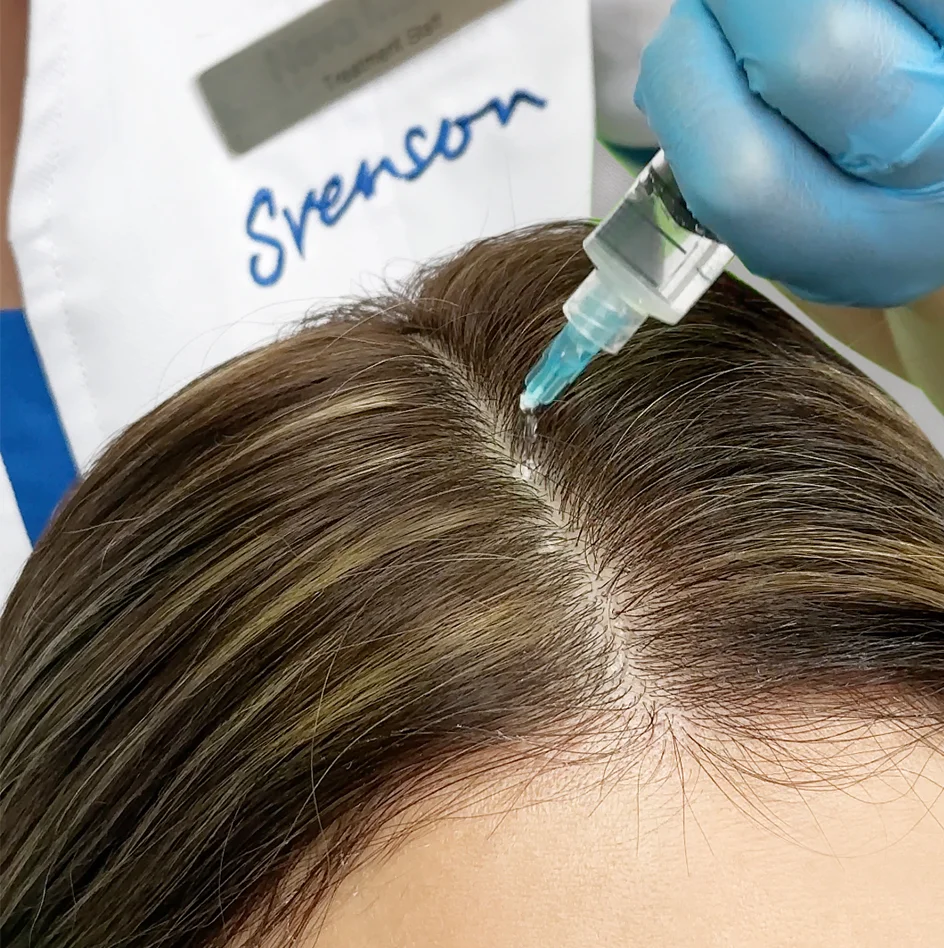
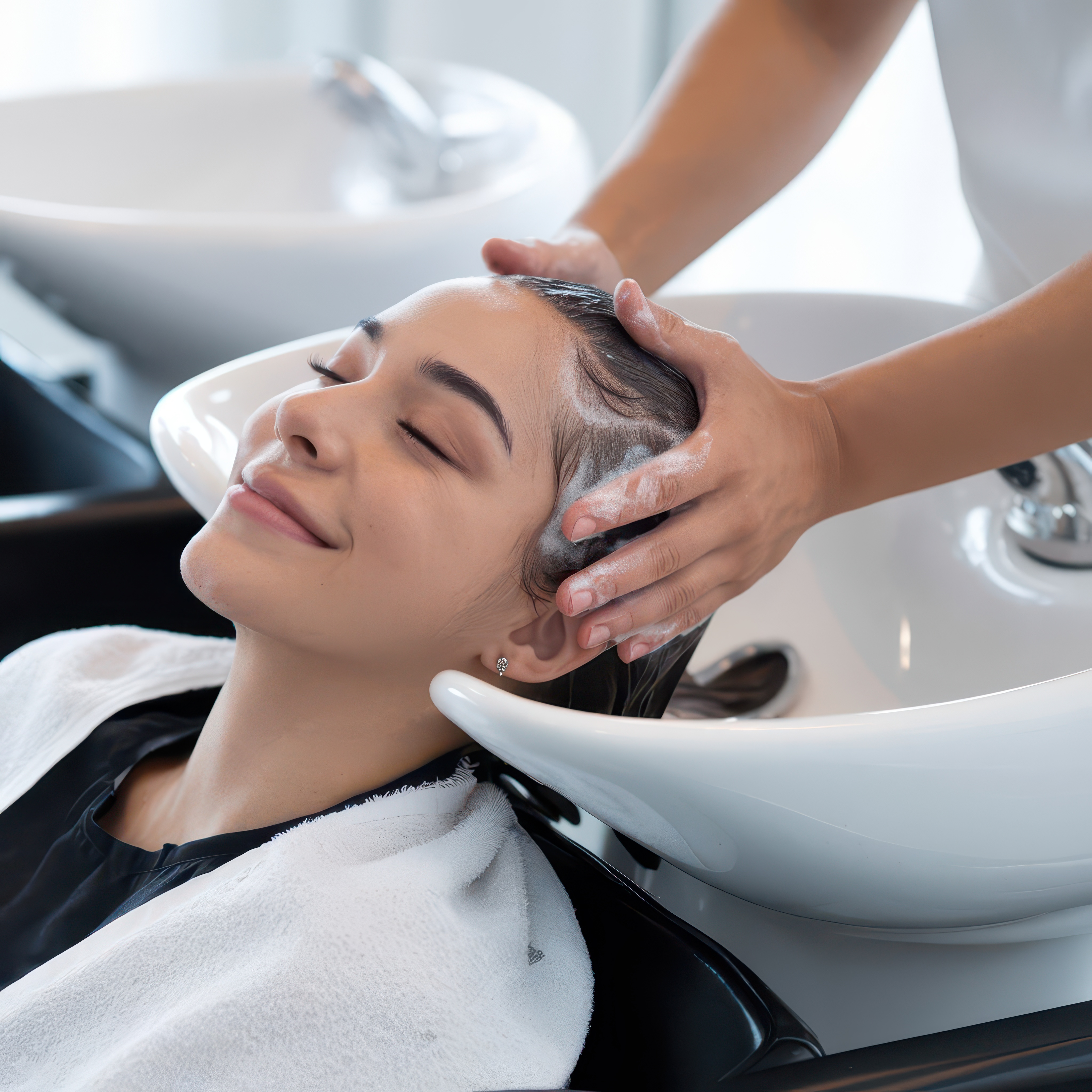
At Svenson, we always start with your scalp because healthy hair begins at the roots. Our Scalp Corrective Treatments are designed to detox, rebalance, and strengthen your scalp environment so new hair can grow stronger and healthier.
DHT Hair Loss Treatment
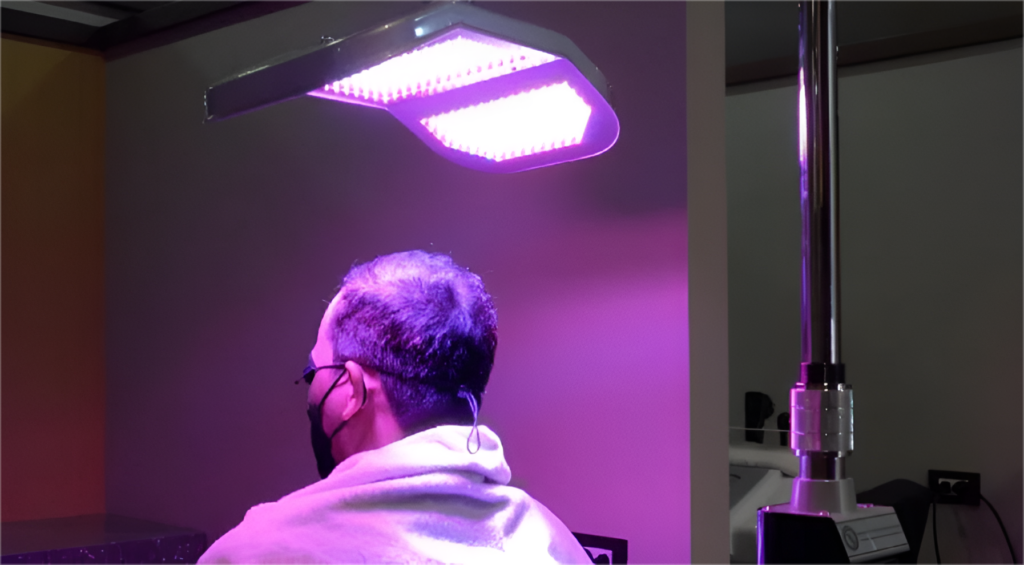
For women dealing with hormonal hair loss, Dihydrotestosterone (DHT) is usually one of the biggest culprits. Our DHT hair loss treatment targets DHT to help protect your follicles from shrinking. We then stimulate your hair follicles using advanced technologies to support natural regrowth.
Long-Lasting Hair Transplants
If your hair loss is already advanced and non-invasive treatments are no longer enough, we have surgical options available. Our hair transplant procedures are performed by experienced specialists, using refined techniques for natural-looking results that last. This option restores hair even in areas where follicles can no longer regenerate, giving you renewed hair density and confidence.
Non-Surgical Hair Replacement Systems
If you need immediate coverage and want to feel confident right away, we offer non-surgical hair replacement systems that blend seamlessly with your natural look. These are custom-designed to match your hair texture, color, and style, so it feels like your own hair. This is a great option if you want instant transformation while still caring for your scalp and working on regrowth solutions at the same time.
Key Takeaway
Knowing what exactly causes thinning hair for females gives you the power to take control of your hair health instead of just reacting to the changes you see. From hormones, genetics, environmental exposure, to certain medical conditions, every factor tells a piece of the story behind female hair loss. The important thing is not to ignore it, especially when you know something feels different.
At Svenson, you don’t have to figure it out on your own. Book a consultation with our hair and scalp experts, and let’s assess your condition properly. We’ll help you understand exactly what your scalp needs.