Overview
- Understanding the distinctions between thinning hair vs hair loss helps you take targeted steps with personalized treatments, lifestyle adjustments, and professional guidance to protect your follicles, restore volume, and promote healthier, stronger hair over time.
- At Svenson, our expert trichologists provide professional scalp assessments to help identify the root cause of your hair concerns, whether it’s a gradual thinning or more pronounced shedding.
Hair concerns affect many people, especially women. A study revealed that 92% of Filipinas experience some level of hair damage. These issues can range from subtle thinning to noticeable shedding, making it hard to tell what’s really happening with your hair.
But how do you know if what you’re seeing is just thinning hair or true hair loss? Understanding thinning hair vs hair loss is crucial because it affects how you care for your hair and determines which treatments will be most effective.
Hair Thinning

Here’s a closer look at what hair thinning really means, how you can recognize it, and what you can expect.
What it is
Hair thinning happens when your hair strands gradually become finer and less dense over time, even though your hair follicles are still active. You’re not necessarily losing hair permanently; instead, each new strand that grows back may be weaker or thinner than before. This is why your hair may feel less full, even if you’re not seeing large amounts of hair fall.
Appearance
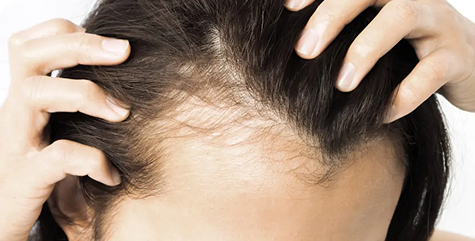
You’ll notice hair thinning through reduced volume rather than obvious bald spots. Your ponytail may feel smaller, your part line may appear wider, or your scalp may become more visible under bright light.
The hair is still growing, but it looks finer, flatter, and less bouncy than before. Because thinning happens evenly, it can affect your overall hairstyle and make hair harder to style or hold.
Cause
Hair thinning is often caused by a combination of factors rather than just one issue. Hormonal changes, stress, poor nutrition, frequent heat or chemical styling, aging, and genetics can all weaken hair growth over time.
When your hair growth cycle shortens or your follicles receive less nourishment, new strands grow in finer. Over time, even everyday habits can contribute to thinning if your scalp and follicles aren’t properly supported.
Outlook
The good news is that hair thinning is often manageable and can be reversible when addressed early. Because your follicles are still alive, proper care, lifestyle adjustments, and professional treatments can help strengthen new growth and restore volume.
Hair Loss (or Hair Shedding)

Hair loss, also known as hair shedding, is a common concern that many people experience at some point in their lives, and understanding it is the first step toward managing it properly.
What it is
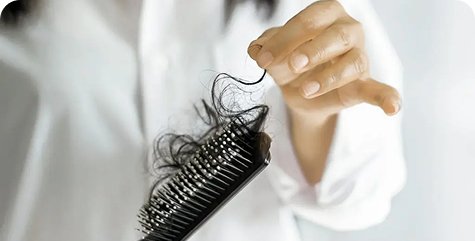
Hair loss refers to the condition where you shed more hair than usual and your follicles are unable to keep up with regrowth. While it’s normal to lose some strands daily, hair loss happens when shedding becomes excessive or prolonged, causing noticeable thinning or balding areas. You may notice more hair on your pillow, in the shower drain, or on your brush, and over time, the hair doesn’t grow back as fully as before.
Appearance
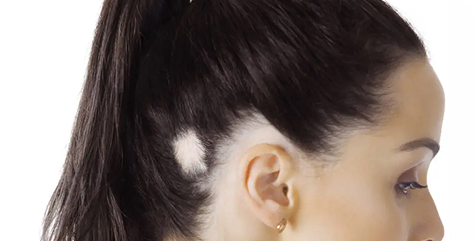
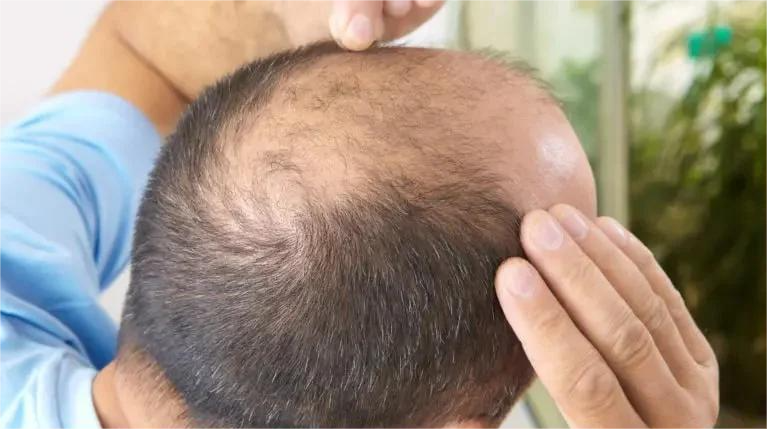
Hair loss often shows up as visible scalp areas, widening parts, receding hairlines, or patchy bald spots. Unlike simple thinning, where hair is still hair loss makes your hair look uneven or sparse in specific areas.
Cause
It can be triggered by a variety of factors, including hormonal changes, stress, genetics, medical conditions, nutritional deficiencies, or scalp issues. Events like childbirth, illness, extreme stress, or conditions such as PCOS and thyroid disorders can disrupt your hair growth cycle, pushing more hairs into the shedding phase.
Outlook
The outlook for hair loss depends on its cause and how early you take action. Some types of hair shedding are temporary and can improve once the trigger is addressed, while others may require professional treatment to prevent further hair loss.
The good news is that with proper care, lifestyle adjustments, and targeted treatments, you can slow down hair loss, support healthier regrowth, and restore confidence in your hair over time.
Key Differences and When to See a Doctor
| What to Look For |
Thinning Hair |
Hair Loss |
| Hair Density |
Hair strands become finer, making overall density appear reduced even if the number of strands remains similar. |
Noticeable decrease in the number of hair strands, leading to visibly reduced density in certain areas. |
| Appearance |
Thinning happens gradually and often evenly across the scalp. |
Hair loss usually appears in clear patterns such as a receding hairline, widening part, or patchy areas. |
| Progression |
Changes are subtle and develop slowly. |
Hair loss is more visible and can progress more quickly if left unaddressed. |
| When to See a Specialist |
If thinning continues for several months or begins to affect your confidence. |
If shedding worsens, bald spots appear, or changes are accompanied by scalp or health issues. |
When to seek professional help: If changes in your hair persist, worsen suddenly, or come with scalp discomfort or health changes, it’s best to consult a hair specialist. Early guidance helps identify the cause and prevents further progression.
Why Professional Scalp Analysis Matters?
Understanding your hair concerns starts with knowing what’s happening beneath the surface. A professional scalp analysis allows trichologists to identify issues like clogged follicles, inflammation, or early thinning that aren’t always visible during daily care.
At Svenson, this deeper assessment helps pinpoint the root cause of your hair concerns, so recommendations are based on what your scalp truly needs—not guesswork. With a personalized approach, treatments can be directed more effectively, supporting healthier hair growth and long-term scalp balance.
Key Takeaway
Recognizing the difference between thinning hair vs hair loss empowers you to make the right decisions for your hair health. Whether your strands are gradually losing density or shedding more rapidly, early intervention can protect your follicles and promote regrowth.
At Svenson, our expert trichologists can assess your scalp, determine the root cause, and recommend personalized treatments designed to restore strength, volume, and confidence.
Book a consultation today to take control of your hair journey and give your hair the care it truly needs.