Overview
- Surgical and non-surgical hair restoration offer distinct approaches—surgery transplants follicles for long-term results, while non-surgical treatments stimulate existing hair with less downtime.
- Your suitability depends on your scalp condition and stage of hair loss, making professional guidance essential.
Fortunately, Svenson Philippines provides expert consultations to help you find the right solution tailored to your hair needs.
One involves surgery and long-lasting results, while the other offers non-invasive yet ongoing treatments. The choice between surgical vs non-surgical hair restoration can feel overwhelming, especially when both promise to restore not just your hair but also your confidence. Surgical options deliver permanence but require commitment and recovery, while non-surgical solutions provide flexibility and less downtime. The key is knowing which approach aligns with your lifestyle, budget, and expectations.
At Svenson, experts guide you through both paths, helping you make an informed decision. With their personalized consultations, you can choose the right hair restoration treatment that fits your goals best.
Key Differences of Surgical vs. Non-Surgical Hair Restoration

When it comes to hair restoration, surgery offers long-term results, while non-surgical treatments provide a non-invasive but ongoing solution. Knowing how these two approaches differ—in process, permanence, and upkeep—can guide you toward the choice that matches your lifestyle and goals.
Treatment Approach
Surgical hair restoration involves transplanting healthy hair follicles—typically from the back or sides of the scalp—into thinning or balding areas. Techniques like Follicular Unit Transplantation (FUT) and Follicular Unit Extraction (FUE) require precision and medical expertise to ensure natural-looking results.
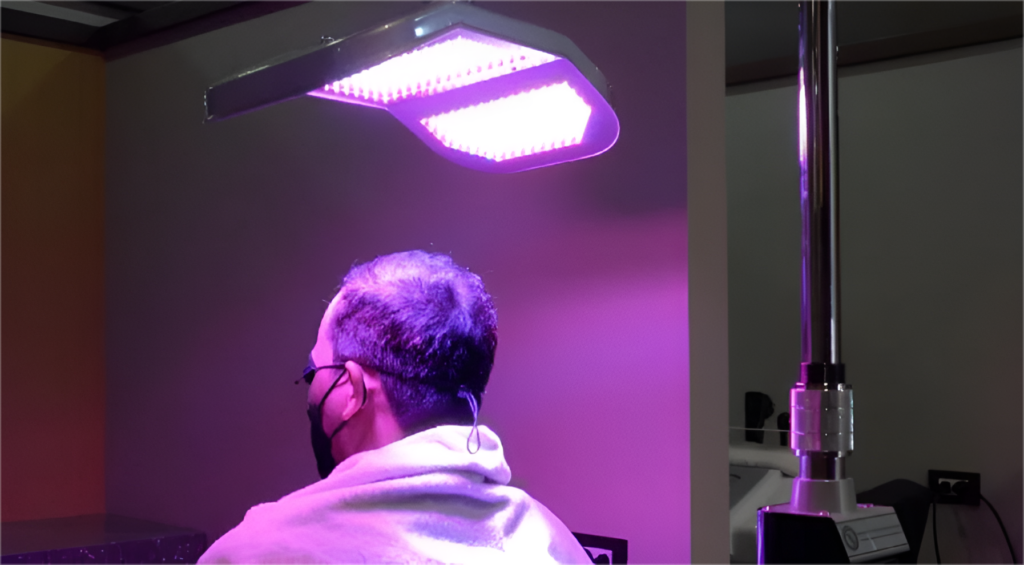
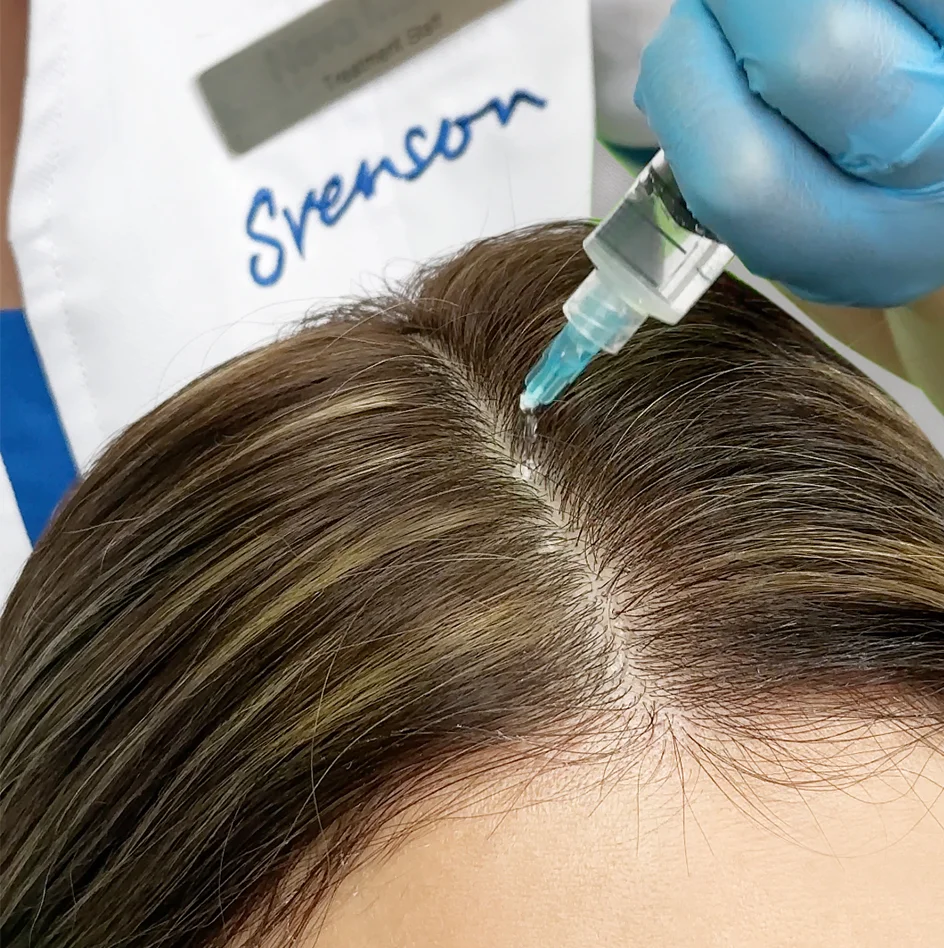
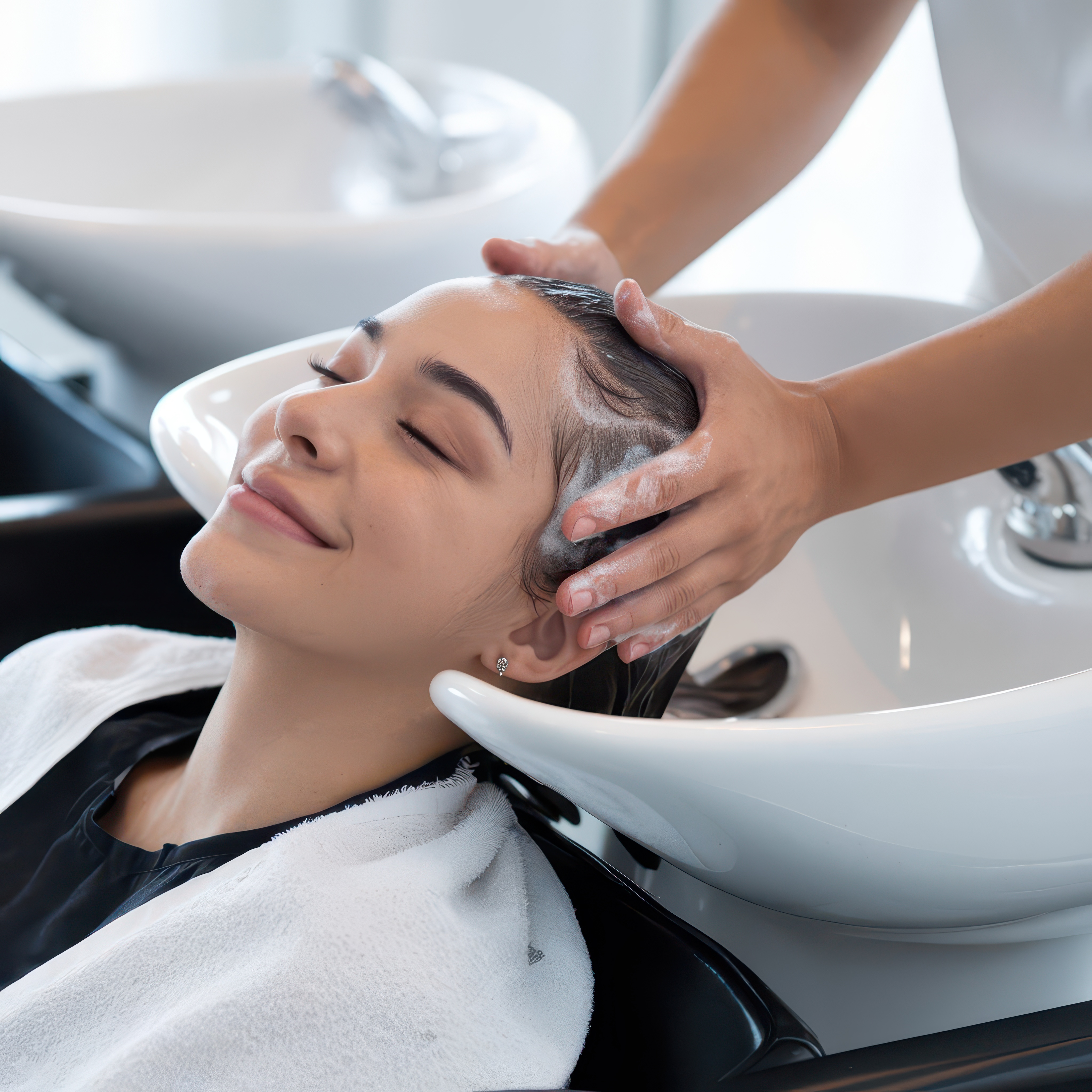
On the other hand, non-surgical options such as topical solutions, laser therapy, or scalp treatments work by stimulating existing follicles to encourage regrowth or slow down hair loss. These approaches are non-invasive, making them ideal for those in the early stages of thinning or as ongoing maintenance.
Invasiveness
Surgical hair restoration is considered invasive since it involves extracting and implanting follicles through medical procedures. In contrast, non-surgical treatments are non-invasive, relying only on topical solutions, laser therapy, or other surface-level applications without the need for incisions.
Recovery Time
Downtime also sets these two options apart. Surgical procedures usually require several days to a few weeks of healing, depending on the technique and individual recovery. Non-surgical treatments, on the other hand, need no downtime at all—allowing patients to continue their daily routines right away.
Results Timeline
Surgical hair restoration typically shows initial growth within a few months, with full results becoming more noticeable around a year, as transplanted follicles follow the natural hair cycle. Non-surgical treatments, like topical solutions or laser therapy, produce gradual improvements over time, requiring patience and consistent use for visible benefits.
Suitability
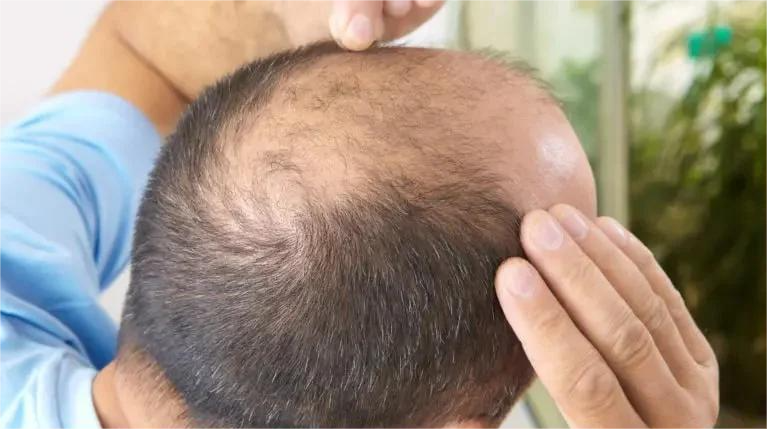
The right approach depends on the extent of hair loss and overall scalp condition. Surgical methods are often better for those with stable donor areas and larger bald patches, while non-surgical options may be more suitable for early-stage thinning or diffuse hair loss. A personalized consultation ensures you choose the option that best aligns with your hair goals and scalp health.
Signs You Need Hair Restoration Treatment

Noticing changes in your hair can be unsettling, but many individuals overlook the early indicators until the thinning becomes more obvious. Recognizing when it’s time to consider hair restoration can help you act early and maintain healthier, fuller hair for longer.
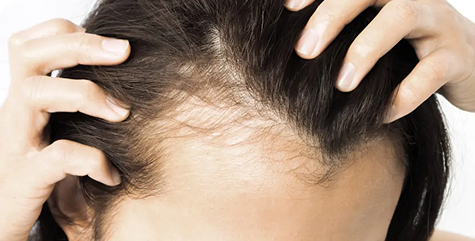
- Noticeable Thinning or Widening Part: A broadening part or more visible scalp through the hair means your strands are becoming finer and less tough in that area. This shift suggests minimized hair volume and coverage over time.
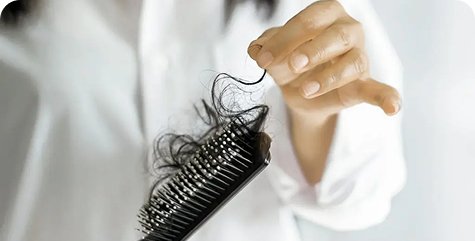
- Excessive Hair Shedding: Seeing huge amounts of hair on your pillow, shower drain, or hairbrush could point to active shedding beyond the conventional daily loss. This warns of an underlying issue with your scalp or follicles that requires expert attention.
- Receding Hairline: A hairline that consistently moves backward over time, especially around the temples or forehead, is a strong sign of early-stage hair loss. This pattern becomes more pronounced without intervention and may call for targeted restoration treatments.
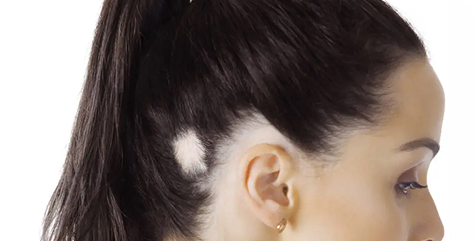
- Bald Spots or Patches: The appearance of smooth, hairless areas on the scalp, whether small or widespread, can signal significant follicle inactivity or damage. These spots may expand in the long run if left unaddressed; that’s why early consultation is essential.
Which Option Should You Choose?
Choosing the right approach for thinning areas or bald patches depends on your unique hair condition and goals. That’s why consulting a certified trichologist or hair restoration expert first is essential—they can thoroughly evaluate your scalp and recommend the most effective solution.
At Svenson, our team offers personalized consultations to identify the treatment that best fits your needs. Whether you’re considering serums, non-surgical therapies, or hair transplants, we guide you through a safe, effective, and tailored journey toward fuller, healthier hair.
Key Takeaway
Ready to take control of your hair loss journey? Book a consultation with Svenson today to get professional guidance and a personalized treatment plan. Visit our clinic at the nearest branch or reach out to us now to start your path toward healthier hair.