Overview
- Male and female hair loss develop differently, which is why early signs are often misunderstood or overlooked. These differences affect how quickly thinning becomes visible and how people usually respond when they first notice changes in their hair.
- Understanding these distinctions helps people identify the type of hair loss earlier and choose more suitable ways to manage it before it worsens.
- With proper evaluation and guided care from specialists such as Svenson Philippines, individuals can better address the cause of hair thinning and take the right steps to maintain healthier hair over time.
Hair loss doesn’t present the same way for everyone. Men and women experience hair loss differently; some through lifestyle patterns, others through hereditary triggers. Understanding this distinction is critical for early and effective intervention.
Whether you’re noticing gradual thinning or sudden shedding, distinguishing male vs. female hair loss and their many differences is the key to responding with the right type of care. With guidance from experts like Svenson Philippines, you can better understand their distinct characteristics and access the right solutions to restore both your hair’s health and your confidence.
Key Differences in Hair Loss

Male and female hair loss differ significantly in how they appear, develop, and respond to treatment. These differences become clearer when you look closely at their pattern and progression over time. Understanding this helps you identify the most suitable and effective approach to prevention.
Pattern
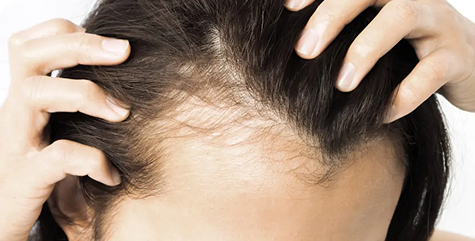
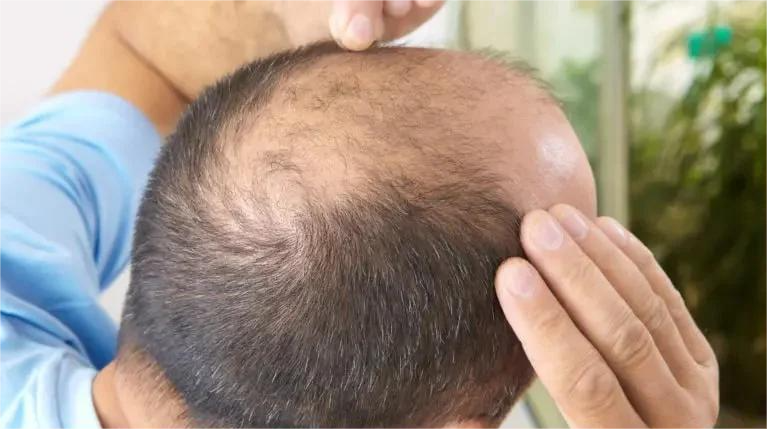
The most visible difference between male and female hair loss is in how the thinning appears across the scalp. Men typically develop an “M-shaped” recession that starts at the temples and progresses towards the crown. On the other hand, women experience a widening of the part line. This is often described as a “Christmas tree-like” pattern at the top of the scalp.
The pattern determines how noticeable hair loss becomes at different stages and how early it can be detected. While men often see a clear hairline recession, women may initially overlook subtle thinning until it becomes more visible. It’s important to keep an eye out for these changes to prevent the condition from progressing further before treatment begins.
Progression
Hair loss progression varies not just in speed but also in timing. Male pattern baldness often begins in the 20s or 30s and can progress rapidly without proper scalp and hair treatment. Female hair loss tends to develop more gradually and becomes more noticeable later in life, particularly after menopause.
Because of this slower progression in women, it can create a false sense of stability, leading many to overlook early signs until thinning becomes more visible. Individuals experiencing early hair thinning should consult a hair treatment professional who can monitor progression over time and identify the most appropriate intervention before the condition advances.
Causes
The causes of hair loss are similar at a biological level, but they tend to affect men and women differently. Both are commonly influenced by genetics and dihydrotestosterone (DHT), a hormone that gradually weakens and shrinks hair follicles. In women, however, hair loss is often also linked to additional factors such as hormonal changes, iron deficiency, and thyroid imbalances.
These added factors can make female hair loss more complex and harder to assess without proper evaluation. While male hair loss is often more predictable and mainly genetic, women usually need a more detailed check to identify all possible causes and guide the right treatment approach.
Severity
Men are more likely to experience advanced hair loss that can lead to partial or even complete baldness over time. Women, however, usually maintain their frontal hairline but notice overall thinning across the scalp.
This difference also shapes treatment priorities and expectations. Women often aim to restore volume and thickness, while men may focus on preventing further recession. Understanding how severity varies ensures that prevention and treatment plans are tailored to the natural progression of hair loss in each case.
To summarize:
| Factor |
Male Hair Loss |
Female Hair Loss |
| Pattern |
M-shaped, balding around the temples and crown |
Widening part, thinning crown |
| Progression |
Early onset, faster progression |
Gradual onset that often comes post-menopause |
| Causes |
Genetics, DHT |
Genetics, DHT, hormonal and iron imbalances, thyroid issues |
| Severity |
Can lead to complete baldness |
Rarely total baldness, diffuse thinning |
Treatments You Can Take To Prevent Hair Loss

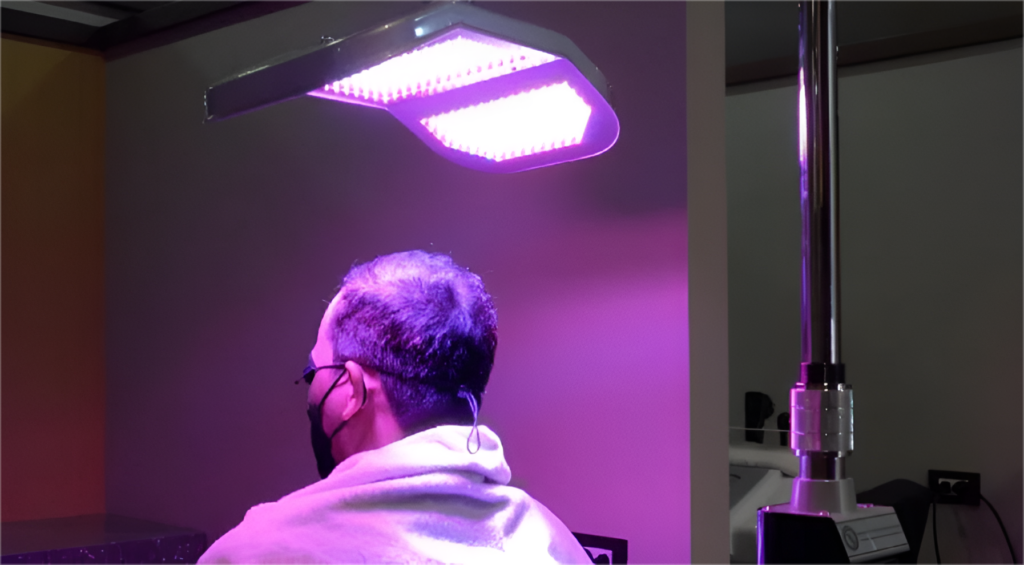
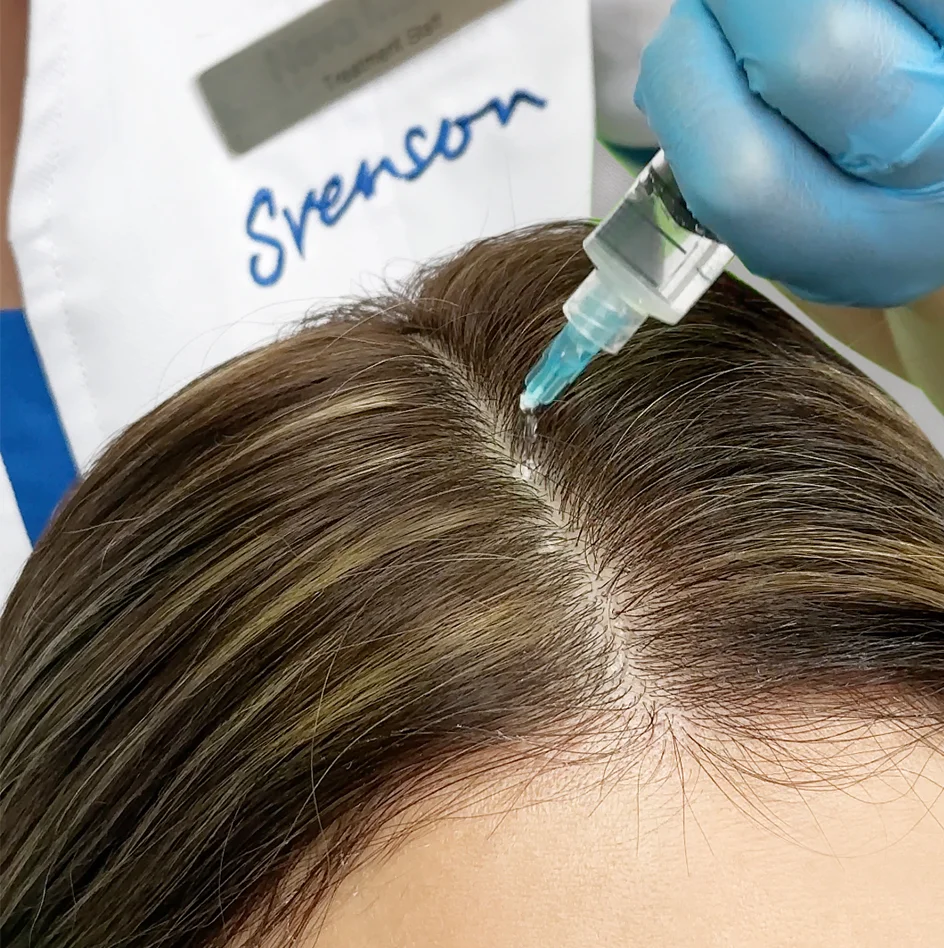
Preventing hair loss starts with early and targeted intervention tailored to your specific condition. At Svenson, our treatment programs are designed to address the unique patterns and causes of hair thinning in both men and women.
We offer the following hair treatments to help prevent hair loss:
Key Takeaway
Between male vs female hair loss, the many differences make it clear that each person needs a specific approach to care and prevention. Recognizing the differences in needs as early as possible allows you to choose targeted solutions before the thinning becomes more advanced.
Take proactive steps in hair care with expert guidance from Svenson Philippines. With our team of trustworthy hair treatment professionals, you gain access to hair solutions designed for your hair and scalp’s needs. Love your hair and scalp by booking a consultation today.