Overview
- Hairline recession can start gradually in your 20s or 30s, and acting early is the most effective way to protect your hair. Understanding the causes allows you to take targeted steps to slow thinning and maintain strong follicles.
- Professional assessments, along with appropriate care and treatment recommendations from your hair doctor, work together to help preserve your hairline. By following a clear, proactive plan, you reduce the risk of further hair loss and support better long-term hair health.
- By understanding how to prevent hairline recession early, you can now take more proactive steps to preserve your hairline and support long-term scalp and hair wellness.
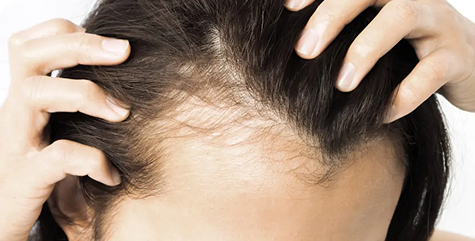
Hairline recession is a gradual process where the hair at the front of your scalp begins to thin and recede, often starting in your 20s or 30s. It’s more common in men due to hereditary factors, but women can experience it too due to hormones or lifestyle influences.
While a hairline shift can be concerning, early treatment can stop it from progressing further. Knowing how to prevent hairline recession early helps you protect your hair from these changes becoming noticeable.
At Svenson, we combine professional scalp assessments with advanced hair thinning treatments to support a strong, healthy hairline.
Consult a Professional For Expert Care

Professional evaluation ensures you understand the underlying causes of recession and how to act effectively. Seeking guidance from certified trichologists gives you access to personalized solutions and detailed steps necessary to maintain your hairline.
Get a Professional Scalp Assessment
Our certified trichologists can help you identify the factors contributing to hair loss and its direct cause.
A receding hairline is often associated with androgenetic alopecia, including male- and female-pattern hair loss. It may also be influenced by factors such as stress or nutritional deficiencies. Once the underlying cause is identified, hair doctors assess and proceed to create a personalized prevention and care plan.
Professional clinics like Svenson offer detailed scalp assessments using advanced diagnostic tools to examine follicle health, scalp condition, and growth potential. Based on the results, our team of trichologists can determine the ideal treatment designed specifically for your hair’s needs.
Ask Your Doctor For Effective Care Recommendations
After a consultation at Svenson, follow the care plan provided by your hair doctor. This helps ensure you know exactly what steps to take and how to prioritize treatments based on your specific condition.
Your hair doctor may suggest clinically tested topical solutions, in-clinic therapies, or combined programs depending on what works best for your case. With professional guidance, you gain the reassurance and clarity needed to help prevent further changes to your hairline.
Invest In Early Hair Treatment

Early intervention is the most effective strategy for preserving your hairline. Addressing your hair’s recession before it worsens reduces the need for more drastic procedures in the future.
Consider Advanced Treatment Options
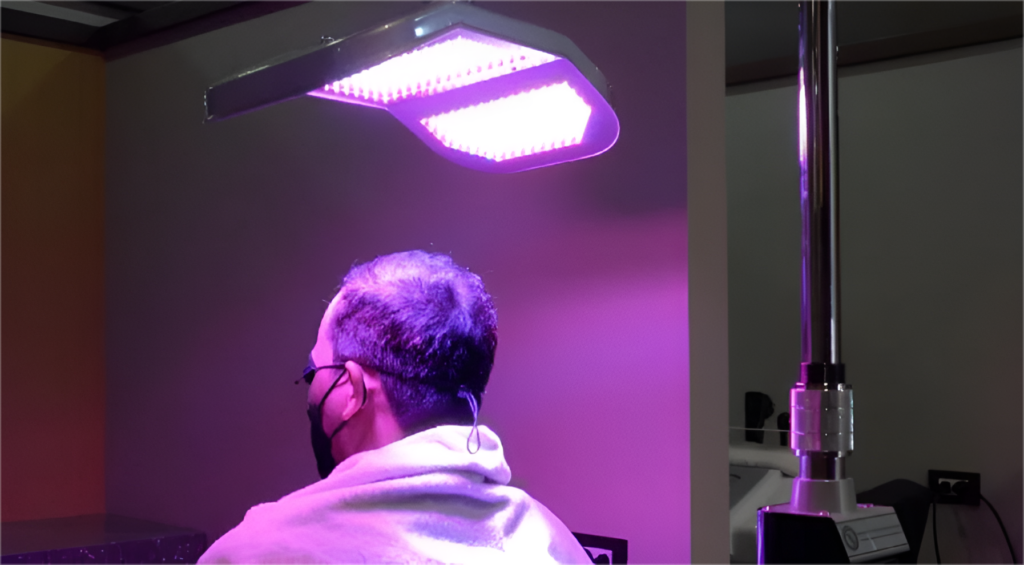
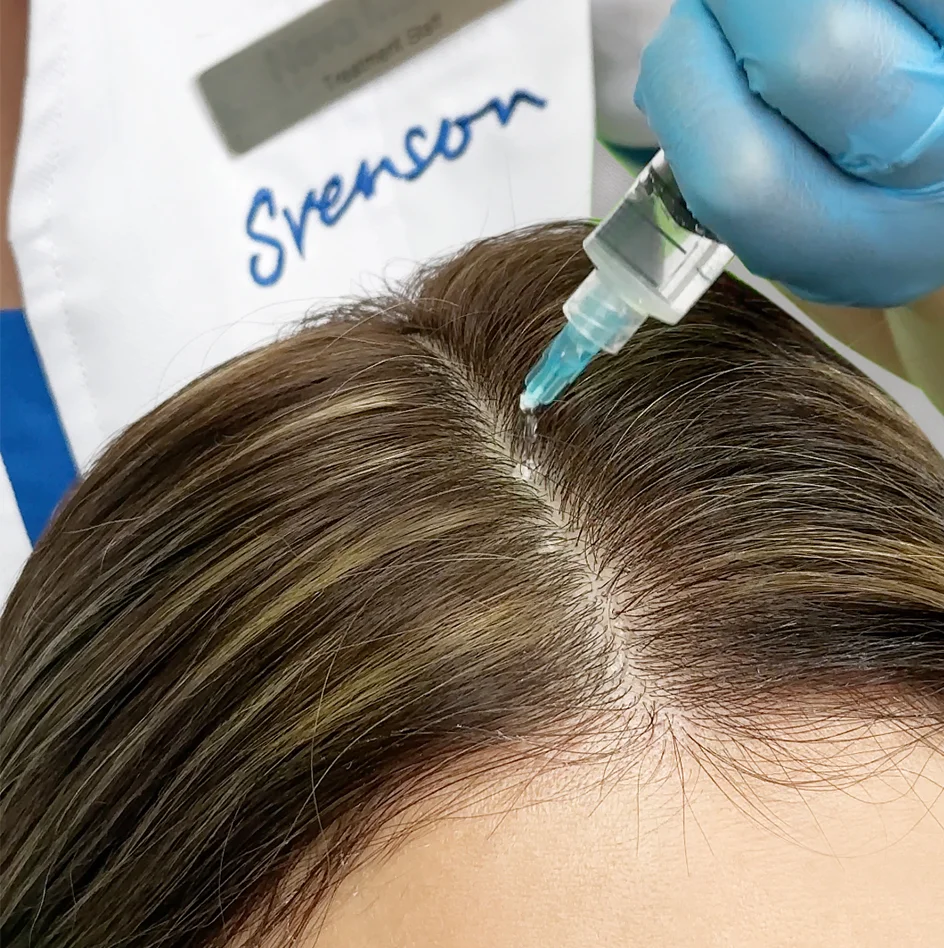
For clients seeking proactive solutions, advanced treatments provide targeted support to maintain hair density and stimulate growth. These therapies work by directly activating hair follicles and improving the scalp environment to strengthen existing strands. Options may include in-clinic procedures like low-level light therapy, PRF treatments, or combination programs for optimal effect.
Svenson’s advanced treatments are personalized based on your level of recession and overall scalp health. When paired with professional guidance and consistent care, they help slow progression and maintain a healthy hairline over time.
We provide the following hair treatment programs depending on your recession’s severity:
- Scalp Corrective Treatment
- DHT Hair Solutions
- Hair Stimulants
- Platelet-Rich Fibrin (PRF)
- Anti-Aging and Hair Strengthening Treatments
- NexoHair
Use Doctor-Approved Hair Topicals
Use hair topicals as directed by your hair doctor to help preserve your hairline. Treatments like minoxidil, a vasodilator, can help promote hair growth by improving blood flow to the follicles and supporting a longer growth phase. Prescription finasteride may also be used to help reduce the effects of DHT, the hormone commonly linked to male-pattern hair loss.
Before starting treatment, ask your doctor about possible side effects and what results to expect. This helps you understand whether a treatment is working or if it may be time to consider alternatives. Consistent medication and regular check-ins with your doctor are important for monitoring progress and assess how the scalp responds to the topicals.
Make Lifestyle Adjustments
Proper nutrition and sufficient sleep contribute to follicle resilience. Good lifestyle habits have a direct impact on hairline health and the success of any treatment.
Have a Balanced Diet
Maintain a nutrient-dense diet to support hair follicles along your hairline. Hair follicles are fast-growing structures that require a steady supply of protein and micronutrients to stay in the growth phase. Lacking key nutrients can weaken already DHT-sensitive hairline follicles and accelerate thinning.
Lean meats and eggs provide protein and iron to strengthen the hair strands’ structure. Meanwhile, fatty fish contain the nutrients necessary to support scalp health. Some of the key nutrients that support hair growth include:
- Protein
- Iron
- Zinc
- Biotin
- Vitamin D
- Omega-3 fatty acids
Get Enough Sleep
Lastly, prioritize consistent, high-quality sleep as sleep deprivation contributes to stress-related thinning. Deep sleep helps your body balance stress hormones and support cellular regeneration, both of which influence how long your hair stays active in the growth phase. When sleep is inconsistent, stress hormones can push follicles into a resting phase prematurely and contribute to a thinning hairline.
Aim for 7-9 hours of sleep each night and maintain a consistent sleep schedule to support hormonal stability. This creates a balanced internal environment that allows hairline follicles to stay in the growth phase and may also improve the effectiveness of other preventive measures.
Key Takeaway
When you know how to prevent hairline recession early, you empower yourself to take control of your hair’s condition before the thinning becomes difficult to reverse. Having a clear plan, guided by professional support, can make it possible to maintain your hairline’s long-term health for years to come.
At Svenson, our certified trichologists provide personalized scalp assessments to recommend the best treatment plans to protect your hair’s future. Schedule a consultation today for expert guidance and care.