How do you know if it’s time to consider hair restoration treatment?
- Non-surgical options haven’t worked
- Your hair loss has stabilized
- Thinning areas or widening parts are harder to cover
- You have pattern baldness
- You have enough healthy donor hair
Overview
- Hair thinning and hair loss can signal the need for advanced treatment beyond shampoos and serums.
- When thinning areas are more visible, the hair loss pattern has stabilized, and sufficient healthy donor hair is available, hair restoration options become more effective.
- Svenson provides expert consultations and personalized solutions to help regain confidence and natural hair fullness.
Hair loss can be worrying, and it’s not always clear when it’s time to take action. Many people initially try at-home solutions—like serums, supplements, or lifestyle changes—hoping to slow the problem. They only find themselves questioning whether it’s truly enough. This guide explains how to know if it’s time to consider hair restoration treatment by highlighting clear signs, practical tips, and key considerations.
By looking at changes in your hair and scalp, you can start to evaluate whether intervention might be needed. We’ll walk you through key indicators, practical tips, and considerations to help you make informed decisions. Read on to learn more.
Non-Surgical Options Haven’t Worked
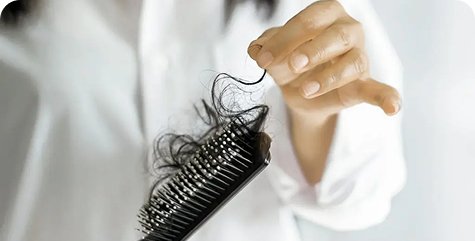
If you’ve tried shampoos, serums, or other non-surgical hair treatments without seeing noticeable outcomes, it might be time to explore more advanced solutions. Sometimes, topical or oral treatments alone are not enough to address significant thinning or hair loss.
Specialized hair restoration choices can offer more targeted and effective results, based on your hair and scalp condition. Consulting a specialist also guarantees you understand which procedure, may it be surgical or advanced non-surgical, will deliver the best outcome for your situation.
Your Hair Loss has Stabilized

Stabilized hair loss means the extreme shedding or rapid thinning has slowed down or stopped progressing. In this phase, the pattern of loss becomes more predictable. This makes it easier for licensed specialists to evaluate the extent of remaining hair and recommend suitable treatments.
Thinning Areas or Widening Parts are Harder to Cover
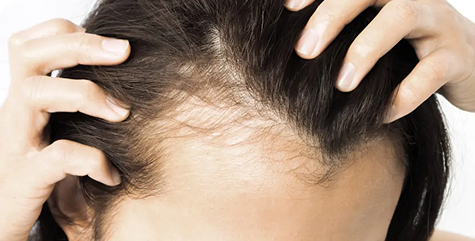
When you notice visible thinning spots or a widening part on your scalp, it’s a physical sign that hair loss is progressing, and styling alone may not be enough. This makes it more difficult to maintain a natural look without expert intervention.
With proper assessment, targeted hair restoration treatments can help manage thinning and support healthier, fuller-looking hair over time.
You Have Pattern Baldness
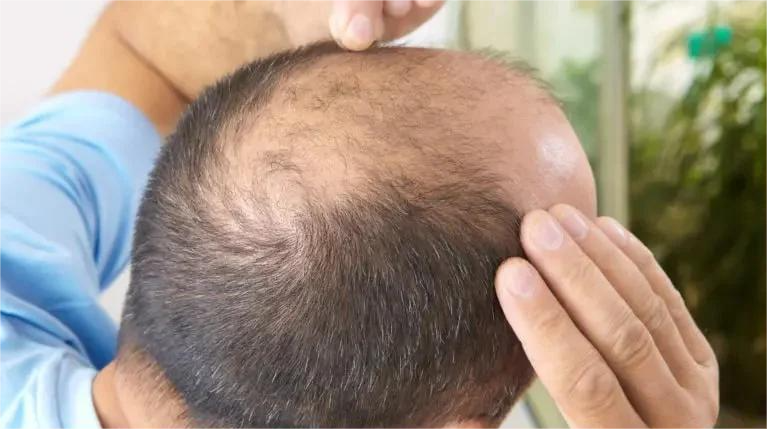
Visible thinning at the crown or a receding hairline is a clear physical sign of pattern baldness. Also called androgenetic alopecia, this genetic condition causes hair follicles to shrink over time, producing finer, shorter strands. Without intervention, affected areas gradually become less dense, making bald spots more noticeable.
You Have Enough Healthy Donor Hair
A strong, resilient patch of donor hair—usually at the back or sides of the scalp—is a key indicator that hair restoration may be possible. These healthy follicles are used to fill in thinning or balding areas, improving graft survival and long-term growth. Without sufficient donor hair, the effectiveness of a transplant can be limited, affecting overall coverage and results.
When It Might Not Be the Right Time

There are situations where hair restoration may not be suitable, and knowing these can help you make informed choices.
- Temporary hair loss: Temporary hair loss from stress, illness, or medication often resolves on its own, with non-invasive treatments and proper care supporting regrowth.
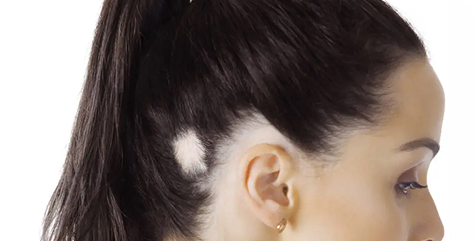
- Autoimmune conditions: Alopecia areata, lupus erythematosus, and lichen planopilaris are active autoimmune conditions that trigger inflammation and damage to hair follicles, reducing the effectiveness of restoration methods until the condition is managed.
- Unstable hair loss pattern: Unpredictable or fluctuating hair loss makes it difficult to determine the right treatment, but waiting until the pattern stabilizes ensures that restoration methods target the condition more effectively.
- Unrealistic expectations: Expecting dramatic overnight results or a full reversal of advanced hair loss sets you up for disappointment, but understanding the realistic outcomes of hair restoration helps you stay satisfied with the treatment.
When to Consult a Specialist
You must consult a specialist as soon as you recognize frequent hair thinning, widening parts, or any pattern baldness that doesn’t respond to basic care. Early assessment helps identify the underlying cause and allows for a more customized hair restoration plan.
At Svenson, our licensed trichologists and hair restoration specialists offer personalized consultations to review your condition and suggest the most ideal treatments. Book a consultation today to take the first step toward healthier, fuller hair!
Key Takeaway
Now that you understand how to know if it’s time to consider hair restoration treatment, you can take the next steps to address your hair concerns.
At Svenson, your concerns are our priority, and we believe the right solution starts with a proper consultation. Every case of hair loss is unique, which is why visiting our clinic is the best step to finding the treatment.
Book a consultation today and let our licensed hair and scalp specialists guide you toward restoring not just your hair, but your peace of mind.