How Lack of Sleep Cause Hair Loss
- Elevated Cortisol & Stress
- Disrupted Hair Cycle
- Reduced Nutrient Delivery
- Decreased Melatonin
- Scalp Inflammation
Overview
- In this article, we will explore how lack of sleep causes hair loss by breaking down how poor sleep affects your hair growth cycle, scalp condition, and overall follicle health.
- Lack of sleep has major effects on your body, especially on your hair, which is highly sensitive to internal changes like hormones, circulation, and stress levels.
Lack of sleep has major effects on your body, and much more on your hair, which is highly sensitive to internal changes. Sleep plays a key role in overall health, yet many people do not get enough of it each day. In fact, according to a 2023 study, the Philippines had the highest percentage in Asia (56%) of people getting less than seven hours of sleep per day.
Poor sleep can strain the body’s hair loss recovery process, disrupt its stress response, and interfere with the hair growth cycle. These effects illustrate how lack of sleep can cause hair loss over time.
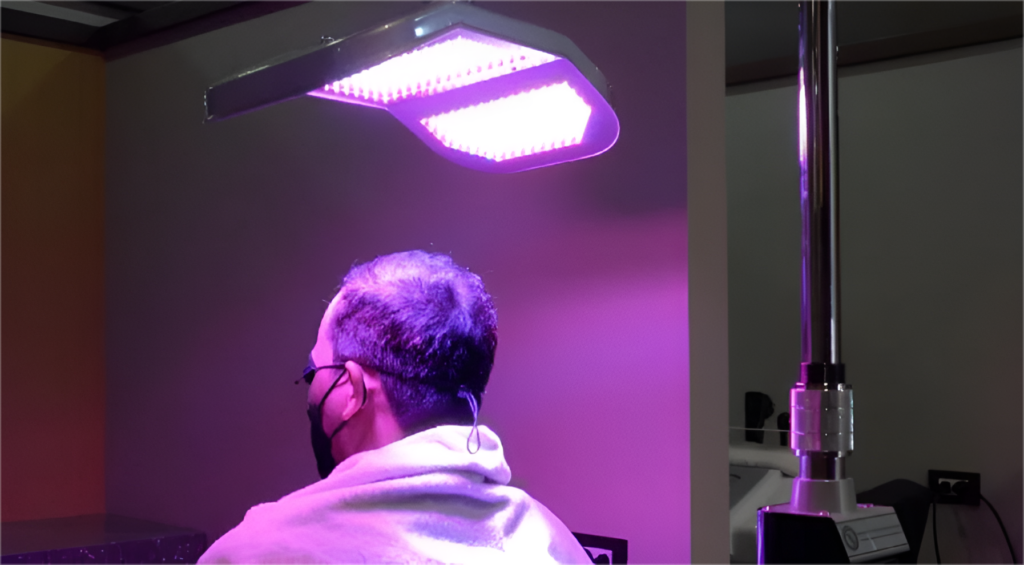
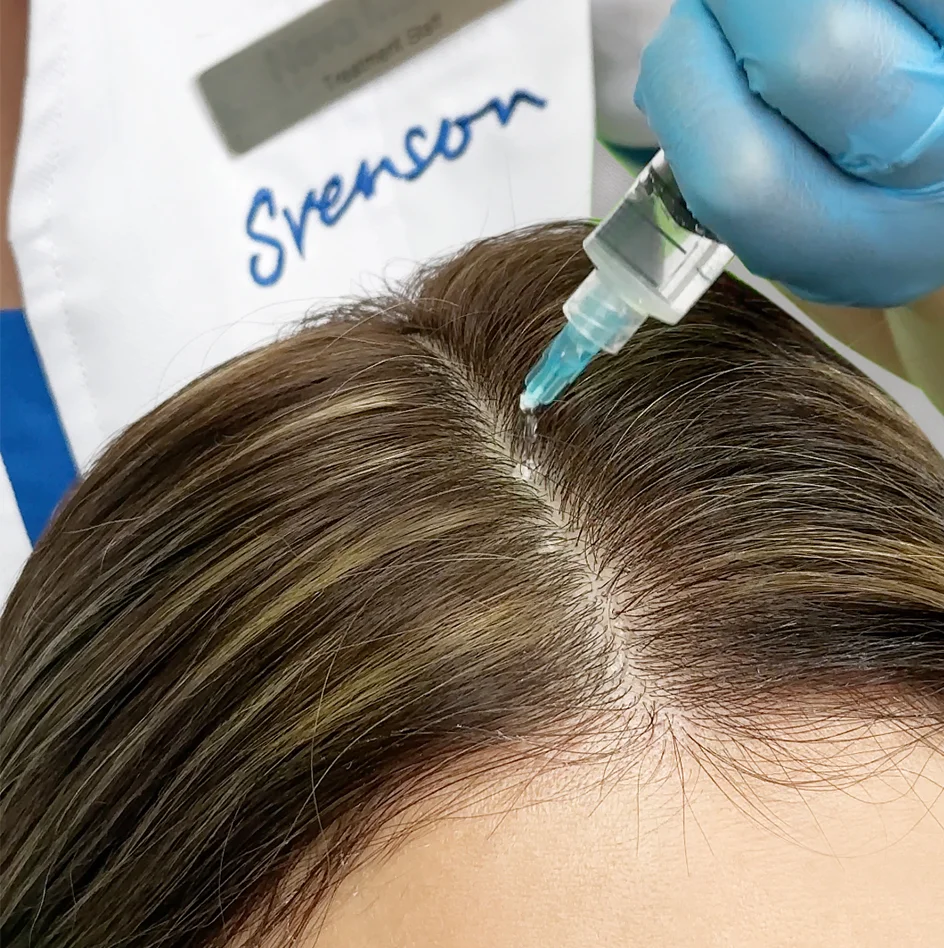
If you’re looking for a treatment plan for thinning hair, Svenson offers professional solutions designed to support scalp health and hair growth.
Elevated Cortisol & Stress

When you don’t get enough sleep, your body produces higher levels of cortisol, the main stress hormone. This happens because sleep deprivation activates your body’s “fight or flight” response through the HPA axis (hypothalamic-pituitary-adrenal axis), a system that controls how your body reacts to stress. Normally, cortisol levels drop at night to allow rest and recovery, but poor sleep keeps them elevated, disrupting this natural rhythm.
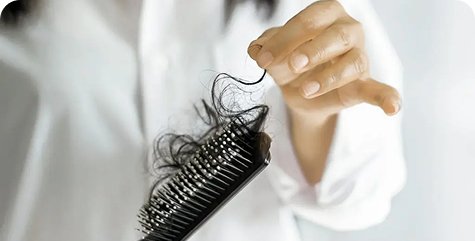
This imbalance can push more hair follicles into the shedding phase earlier than normal, leading to increased hair fall. As this pattern continues, your hair growth cycle becomes less stable, strands become weaker, and regrowth slows down.
Disrupted Hair Cycle
Your hair grows in a continuous cycle made up of three main phases: growth (anagen), transition (catagen), and resting/shedding (telogen). Lack of sleep can interfere with this natural cycle by shortening the growth phase and pushing more follicles into the resting phase too early.
When this happens, fewer strands are actively growing, while more are shedding at the same time. This imbalance can make your hair appear thinner and less dense over time. Consistent, quality sleep helps keep this cycle regulated so your follicles can stay in the growth phase longer and produce stronger strands.
Reduced Nutrient Delivery
While you sleep, your body works on repairing tissues and improving circulation, including blood flow to your scalp. When sleep is insufficient, it becomes less effective, which means your hair follicles may not receive enough oxygen and essential nutrients from your diet.
Since hair relies on nutrients like protein, iron, and vitamins to grow, reduced delivery can weaken strand structure and slow regrowth. Over time, this can lead to dullness, increased breakage, and slower hair recovery. Good sleep supports better nutrient distribution, helping your follicles stay nourished and active.
Decreased Melatonin
Melatonin is a hormone your body produces during sleep, and it plays a role not only in regulating your sleep cycle but also in supporting hair follicle health. Lower sleep quality can reduce melatonin production, which may affect the hair growth cycle and follicle activity. Melatonin is also believed to help protect follicles from oxidative stress and support the transition of hair into the growth phase.
When levels drop due to poor sleep, hair may become more vulnerable to weakening and shedding. Maintaining healthy sleep patterns helps keep melatonin levels balanced, supporting stronger and more stable hair growth.
Scalp Inflammation
Not getting enough sleep can disrupt your body’s natural balance, including how it regulates inflammation. When this happens, your scalp can become more sensitive or irritated, making it harder for hair follicles to function properly and support healthy growth.
You may start noticing itchiness, tenderness, or increased shedding than usual. If this inflammation continues, it can weaken the follicles and slow down regrowth. Getting enough rest helps your body recover and keeps your scalp in a more stable condition for better hair growth.
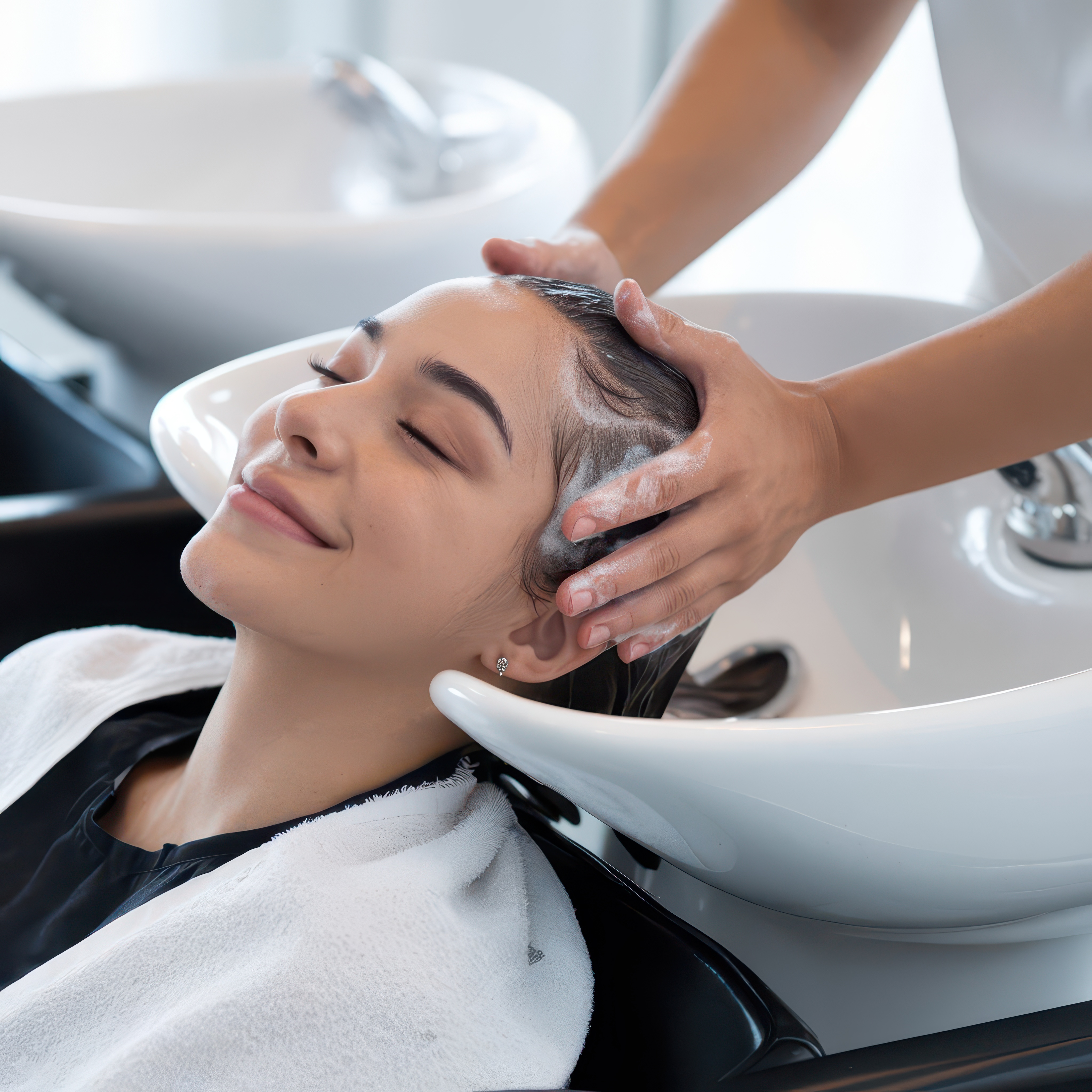
At Svenson, our Scalp Corrective Treatment works by deeply cleansing the scalp and removing stubborn dirt, excess oil, and product buildup that can contribute to scalp imbalance. This helps create a cleaner, healthier environment so follicles can function more effectively and support stronger hair regrowth.
How Professional Scalp Analysis Helps

Here are the ways a professional scalp analysis can help you understand and address hair concerns more effectively.
- Identifying whether sleep is a contributing factor – Helps determine if poor sleep patterns are influencing your hair shedding or slowing regrowth.
- Checking follicle health and scalp condition – Assesses the strength of your follicles and the overall balance of your scalp environment.
- Personalized treatment recommendations – Provides tailored solutions based on your specific scalp needs and underlying causes of hair loss.
Key Takeaway
So, how does lack of sleep cause hair loss? Well, it affects your body in ways that directly influence your hair growth cycle, hormones, and scalp health. When sleep is consistently poor, stress hormones can rise, your hair cycle can become disrupted, and your scalp may not get the balance it needs for healthy regrowth. Improving your sleep habits can help support stronger, healthier hair over time.
If you’re experiencing ongoing shedding or thinning, check out our treatment plans for hair loss at Svenson. Our specialists can assess your scalp condition and recommend a suitable approach to help support healthier hair growth. Love your hair. Book now! 💛