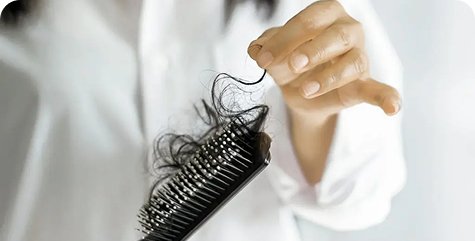
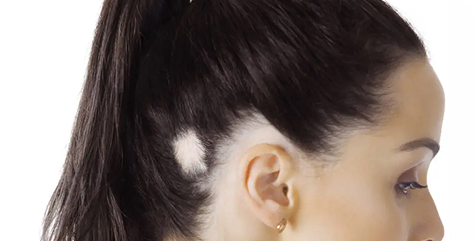
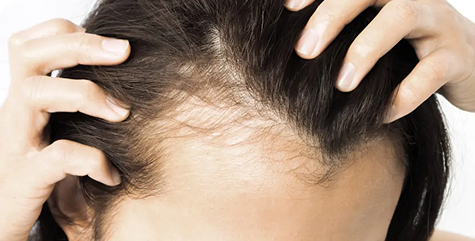
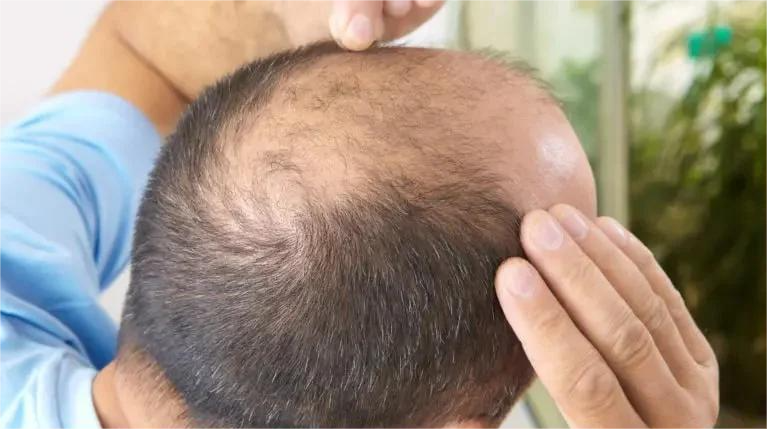
Hair loss happens for different reasons, including genetics, hormones, stress, and lifestyle habits. Identifying the root cause is the key to choosing the right solution.
From non-surgical solutions like topical treatments and laser therapy to surgical options for long-term results, there are treatments for every stage of hair loss.
Hair loss doesn’t happen overnight—it’s a gradual process that starts with thinning strands before progressing to more noticeable bald spots. While it’s a common concern, the reasons behind it vary from person to person.
Since the causes differ, so should the solutions. The key to effective hair regrowth treatment is understanding what’s triggering the hair loss in the first place. By identifying the root cause, individuals can take the right steps toward restoring thicker, healthier hair.
Different Causes of Hair Loss
Hair loss can occur for various reasons, and it doesn’t always follow the same pattern for everyone. Some may notice gradual thinning over time, while others experience sudden shedding due to external factors.
Identifying the root cause is crucial in determining the most effective approach to managing hair loss. Here are some of the most common factors that contribute to hair thinning:
Genetics or Androgenetic Alopecia
Androgenetic alopecia, or pattern hair loss, is the most common cause of hair thinning in both men and women. This condition is largely influenced by genetics, meaning if hair loss runs in your family, you may be more likely to experience it.
Certain genes make hair follicles more sensitive to dihydrotestosterone (DHT), a hormone that causes follicles to shrink over time. As a result, hair grows thinner and weaker, and eventually stops growing altogether.
Since hair loss caused by genetics is progressive, early intervention is important. However, because every case is different, a proper consultation is necessary to determine the right approach to managing and addressing hair thinning.
Thyroid imbalances can also contribute, with both hypothyroidism and hyperthyroidism causing widespread hair thinning. Additionally, stress-related hormone spikes, such as increased cortisol levels, can push more hair follicles into the resting phase, resulting in noticeable shedding.
Stress and Lifestyle Factors
When stress becomes chronic, it elevates cortisol levels, keeping hair follicles in an extended resting phase and preventing new growth. This can lead to telogen effluvium, a condition where large amounts of hair are shed suddenly, often months after a stressful event.
Beyond stress, daily lifestyle habits also play a crucial role in hair health. Here are some of their examples:
Poor Nutrition – Deficiencies in iron, protein, and zinc weaken hair follicles, making them more prone to shedding.
Smoking – Reduces blood circulation to the scalp, depriving hair follicles of essential nutrients.
Excessive Alcohol Consumption – This can disrupt sleep patterns and contribute to hormonal imbalances that worsen hair thinning.
Lack of Sleep – Affects hormone regulation and increases stress levels, accelerating hair loss.
Exercise – While moderate aerobic workouts improve circulation and may benefit hair growth, excessive physical strain can sometimes trigger hair shedding.
How to Choose the Right Treatment for Hair Regrowth
Once you understand what’s causing your hair loss, the next step is finding the right hair regrowth treatment. With so many options available, it’s important to choose a solution that addresses the root cause and aligns with your hair restoration goals. The best way to start? Consult with a specialist who can assess your condition and recommend the most effective approach.
Consult with a Hair Restoration Specialist
Hair loss isn’t the same for everyone—what works for one person might not be the right fit for another. That’s why the best first step is to consult with experts who understand hair loss inside and out.
At Svenson, we’ve been at the forefront of hair restoration solutions for over 40 years, helping men and women regain thicker, healthier hair. Whether you’re experiencing early-stage hair loss or significant thinning, Svenson offers proven, science-backed solutions tailored to your needs.
Consider Non-Surgical Options First
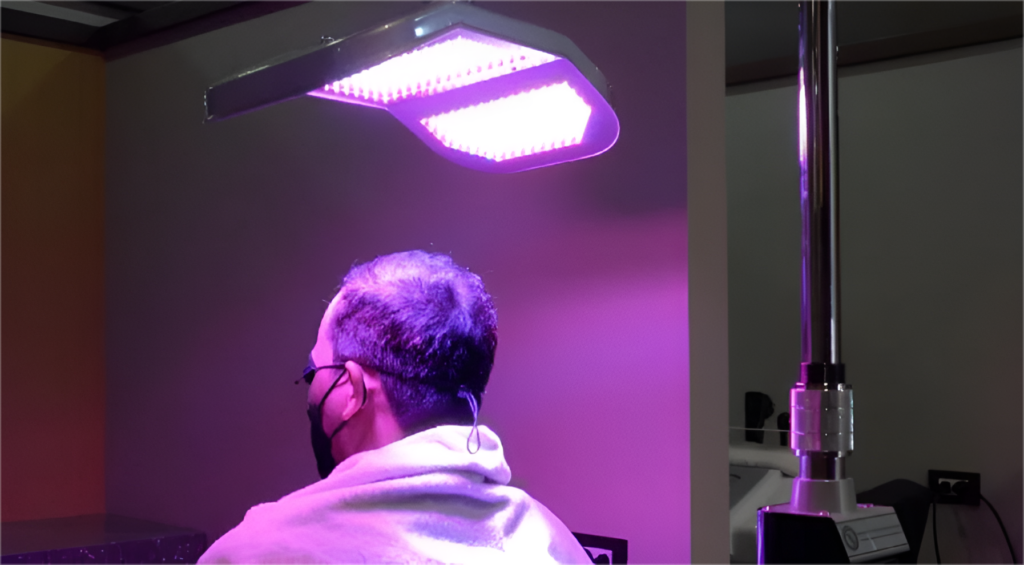
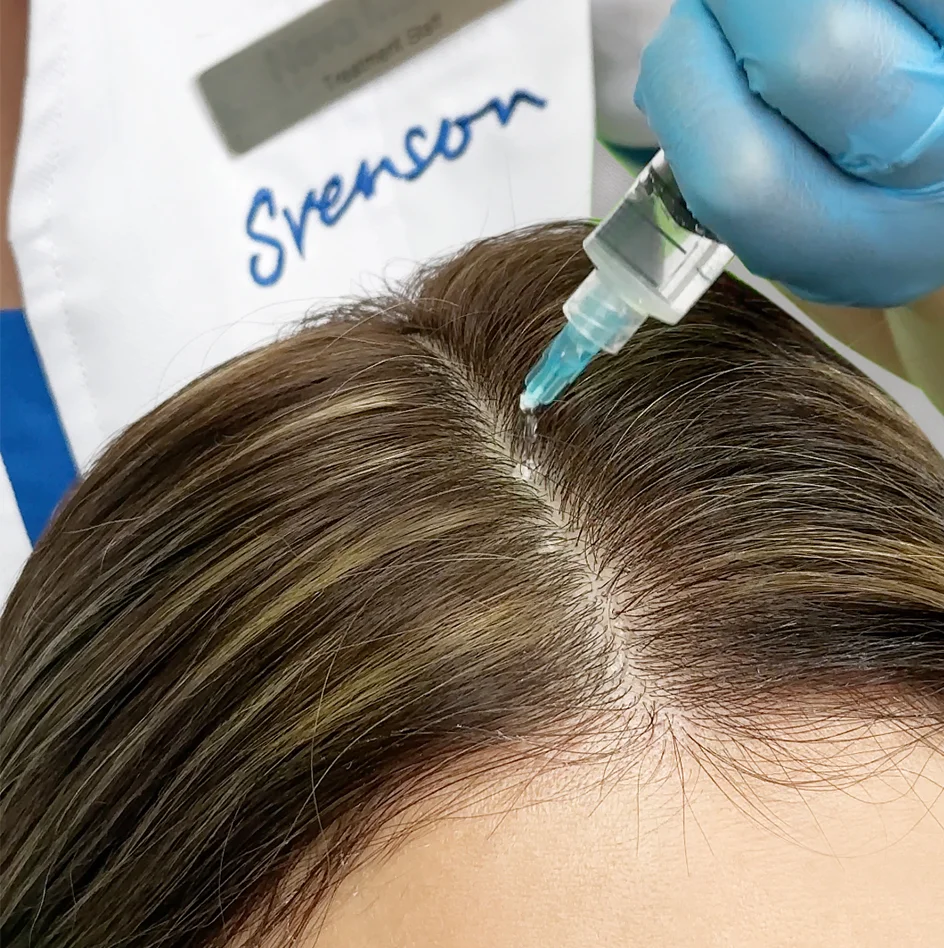
If your hair loss is still in its early stages, non-surgical treatments can help slow down shedding and encourage regrowth. These solutions are designed to stimulate hair follicles, improve scalp health, and enhance hair density without the need for surgery.
These options are perfect for those who prefer a non-invasive approach or want to maintain their current hair health before considering other interventions.
Explore Surgical Solutions for Permanent Results
For those experiencing more advanced hair loss, surgical treatments offer long-term, natural-looking results. These procedures work by redistributing healthy hair follicles to thinning or balding areas, ensuring fuller coverage and lasting growth.
While these treatments are highly effective, a proper assessment is necessary to determine if you’re a suitable candidate. Consulting with a hair restoration expert can help you understand the best approach for your specific needs.
The Best Hair Regrowth Treatment from Svenson
With so many hair restoration options available, choosing the right treatment can feel overwhelming. But the good news is that there’s a solution for every stage of hair loss—whether you’re looking to slow down shedding, encourage regrowth, or restore lost hair permanently.
At Svenson, we offer both non-surgical and surgical treatments tailored to your specific needs. If your hair loss is in its early stages, topical solutions, laser therapy, and scalp treatments can help stimulate your follicles and improve hair density. For more advanced cases, hair transplant procedures provide long-lasting, natural results.
Every person’s hair loss journey is different, and the best way to find the right treatment is to consult with our specialists. We’ll assess your condition, explain your options, and create a customized plan to help you achieve healthier, fuller hair.
Key Takeaway
Hair loss can be caused by various factors, including genetics, hormonal imbalances, stress, and lifestyle choices. The good news is that effective hair regrowth treatments are available for every stage of hair thinning.
Here at Svenson, we specialize in both non-invasive and advanced hair restoration solutions tailored to your needs. Don’t let hair loss hold you back—book a consultation today and take the first step toward fuller, healthier hair!
Related Blogs
September 29, 2026
Postnatal Hair Loss Treatment
After giving birth, many women experience a shedding of hair retained during pregnancy. Svenson’s hair stimulant treatments are designed to help support new hair growth...
Alopecia areata is an autoimmune disorder that causes patchy hair loss. Left unaddressed, it can progress and worsen over time. Svenson’s hair stimulant treatments are...
Thinning hair can stem from genetics, stress, or hormonal imbalance. A women’s hair loss specialist at Svenson will assess your condition and recommend treatments tailored...