What are the different hair loss treatment options for women?
Dandruff treatment
Thinning hair solutions
Alopecia areata treatment
Postnatal hair loss treatment
Menopause hair-thinning solutions
Overview
Hair loss in women can stem from a variety of causes, including dandruff, hormonal changes, autoimmune conditions, and nutritional deficiencies.
With the right hair loss treatment for women, these issues can be effectively managed through targeted therapies, professional care, and early intervention.
Hair loss can feel overwhelming, especially when it happens unexpectedly. For many women, it’s more than just a cosmetic concern; it’s something that affects confidence, self-image, and daily life. Whether it’s triggered by hormones, stress, or changes in overall health, hair loss is a reality that many women face at different stages of life.
The good news? You don’t have to go through it alone. With the right guidance and support, there are effective hair loss treatment options for women that address both the symptoms and the root cause. From dandruff-related shedding to postnatal and menopausal thinning, understanding what your hair needs is the first step to restoring its strength, volume, and vitality.
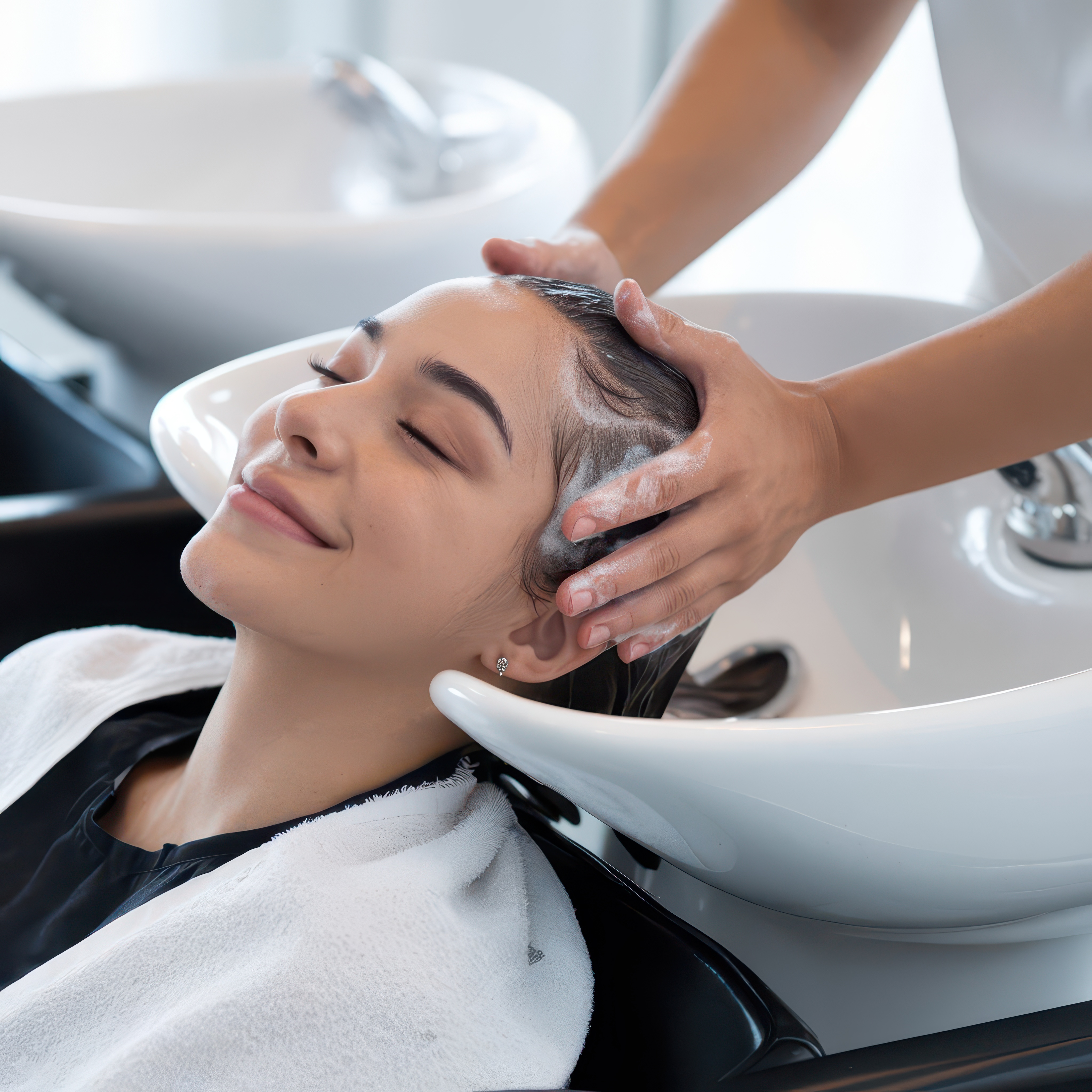
While dandruff itself doesn’t directly cause hair loss, constant scratching and inflammation can weaken the scalp and damage hair follicles over time. This can eventually lead to thinning hair or even patchy hair loss if left untreated.
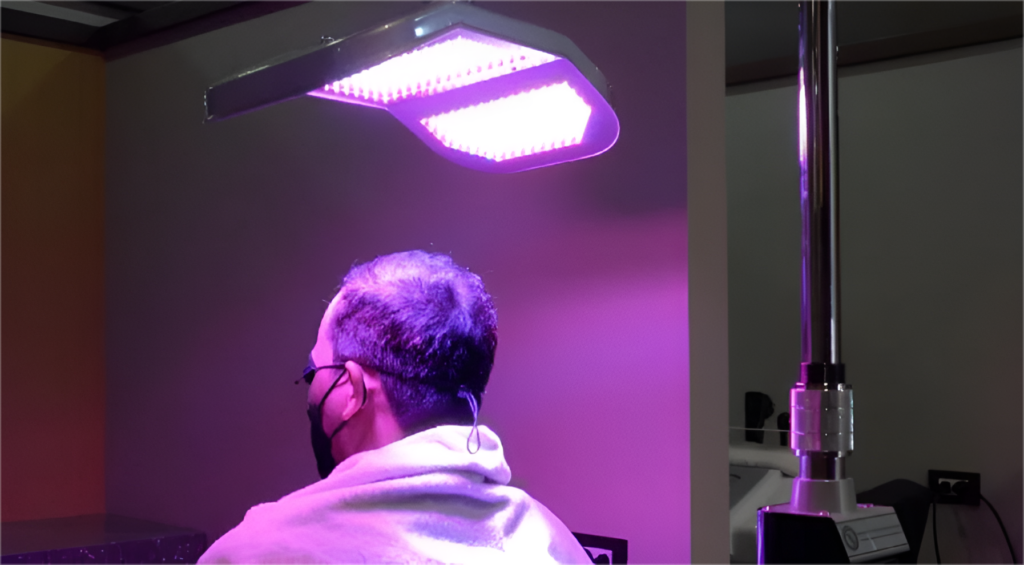
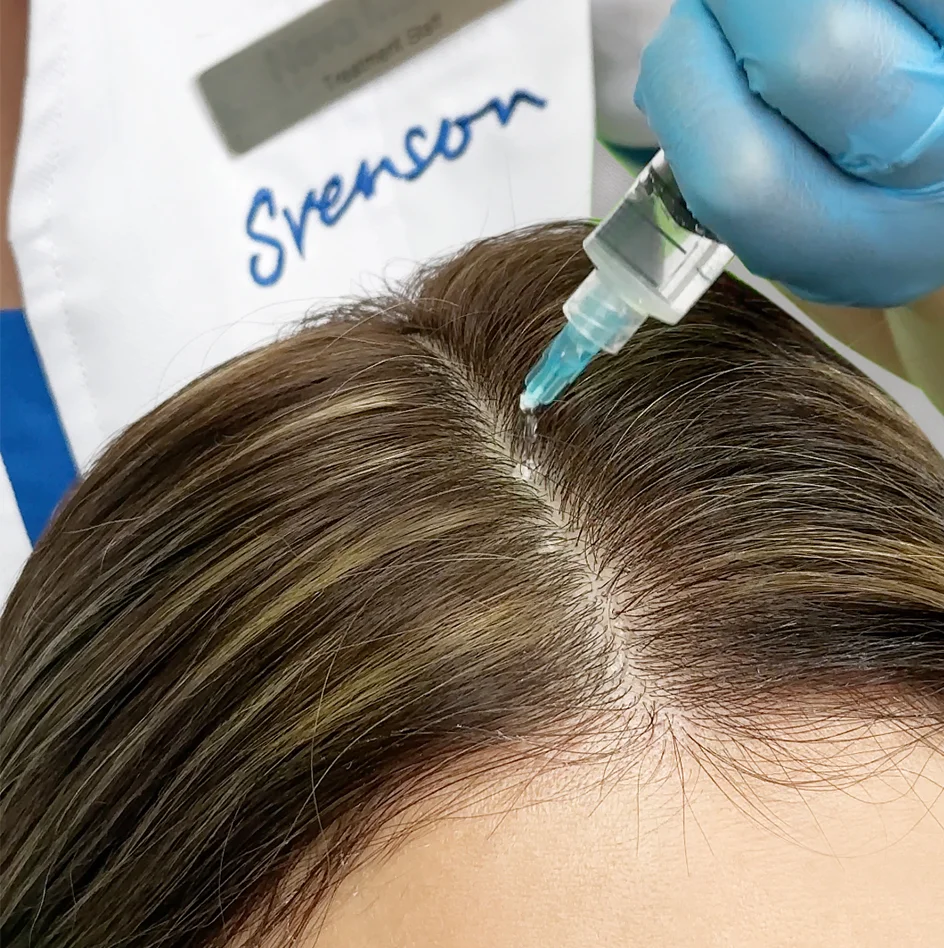
The good news is, dandruff-related hair loss is manageable. The key is to treat the scalp, not just the symptoms. For more advanced cases, professional treatments such as LED light therapy or Platelet-Rich Plasma (PRP) can accelerate healing and promote regrowth.
Thinning Hair Solutions
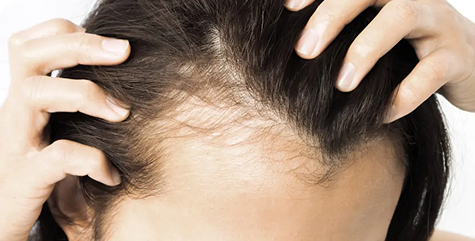
Thinning hair is more common than many women realize — and it’s nothing to be ashamed of. Around 40% of women will experience some degree of hair thinning in their lifetime, and for many, it begins as early as their 20s or 30s.
While these changes can feel overwhelming, thinning hair doesn’t mean you’re out of options. There are proven thinning hair solutions that not only improve hair density but also help restore confidence.
From clinical therapies to carefully formulated topical products, today’s hair-thinning treatments are more advanced and accessible than ever. For example, light-based scalp therapies, nutrient-rich serums, and even at-home remedies using ingredients like rosemary or aloe vera have shown success in encouraging regrowth and revitalizing hair.
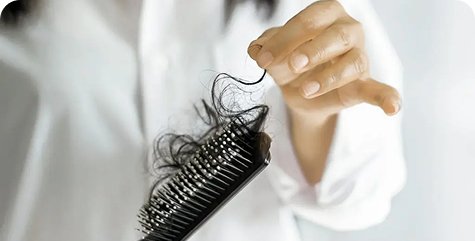
Whether you’re seeing a widening part line, experiencing increased hair fall in the shower, or simply noticing that your ponytail feels thinner, it’s worth exploring the right solution tailored to your specific needs.
Alopecia Areata Treatment
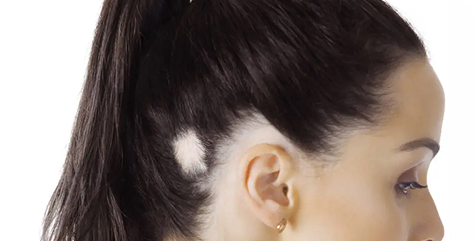
Alopecia areata is an autoimmune condition where the body mistakenly attacks its own hair follicles, causing hair to fall out in round, patchy areas. While it only affects about 0.2% of the global population, the emotional toll can be significant, often leading to anxiety, stress, and low self-esteem, especially among younger adults.
As complicated as it sounds, alopecia areata is treatable, especially when addressed early. For mild, patchy hair loss, topical corticosteroids and minoxidil are among the most common options, often showing regrowth within a few months.
For more extensive cases, doctors may recommend corticosteroid injections, oral medications, or even JAK inhibitors — a newer class of drugs designed to target the inflammation behind the condition. Regardless of the treatment path, the key is personalized care guided by a specialist, especially for those dealing with advanced or recurring forms.
Postnatal Hair Loss Treatment
Hormones affect nearly every part of a woman’s body and that includes hair. After childbirth, for example, many women notice sudden hair thinning or excessive shedding. This condition, known as postpartum hair loss, is primarily triggered by a sharp drop in estrogen levels.
This natural process happens to nearly 40–50% of women and usually corrects itself within a year. However, in some cases, it can signal underlying concerns such as thyroid dysfunction or genetic predispositions to hair loss.
Because of how common and distressing these changes can be, many modern clinics now offer treatments designed specifically for hormonally driven hair concerns. For instance, some women may benefit from topical solutions like minoxidil, while others with persistent thinning may require a deeper investigation into their thyroid levels or androgen sensitivity.
Menopause Hair-Thinning Solutions
Just like postnatal hair loss, menopause brings its own set of hormonal changes that can lead to noticeable thinning. As estrogen levels drop during this stage, the hair’s natural growth cycle becomes disrupted, shortening the active (anagen) phase and pushing more strands into the resting (telogen) phase.
This results in gradual thinning over time. For many women, this also unmasks a genetic sensitivity to androgens, leading to female pattern hair loss (FPHL), where the hair follicles begin to shrink and produce finer strands.
Managing menopausal hair loss often requires a comprehensive approach. Topical minoxidil remains the most widely recommended option, helping to improve hair density within a few months. For those looking into more advanced solutions, platelet-rich plasma (PRP) therapy has shown promise in stimulating growth at the follicular level.
Key Takeaway
Hair loss in women is often influenced by hormonal changes, from postnatal shifts to menopause, and can be triggered or worsened by genetic sensitivity, thyroid issues, or nutrient deficiencies. Understanding these root causes is essential when choosing the right hair loss treatment for women.
At Svenson, we offer science-backed, medically supervised treatments designed specifically for women. If you’re struggling with thinning hair or excessive shedding, schedule a consultation with our hair and scalp experts today — we’re here to help you take control and bring back your confidence.
Related Blogs
September 29, 2026
Postnatal Hair Loss Treatment
After giving birth, many women experience a shedding of hair retained during pregnancy. Svenson’s hair stimulant treatments are designed to help support new hair growth...
Alopecia areata is an autoimmune disorder that causes patchy hair loss. Left unaddressed, it can progress and worsen over time. Svenson’s hair stimulant treatments are...
Thinning hair can stem from genetics, stress, or hormonal imbalance. A women’s hair loss specialist at Svenson will assess your condition and recommend treatments tailored...