Overview
- This process is influenced by stem cells, biological signals, and your internal and external environment, which all determine how strong, thick, and consistent your regrowth will be over time.
- Understanding how regeneration works gives you the knowledge to make better choices for your hair health, whether that means addressing inflammation, managing stress, improving scalp care, or seeking professional treatments to support weaker follicles before they permanently stop producing hair.
Hair follicle regeneration is the natural process where your hair follicles repair themselves, reactivate, and produce new strands again, even after shedding or periods of dormancy. As specialists in hair and scalp science, we at Svenson have seen how powerful this process can be, especially when supported by evidence-based interventions that target weakened follicles before they fully deteriorate.
In this article, we will explore hair follicle regeneration so you can clearly understand what’s happening beneath your scalp, and how you can give your hair the best chance to grow back stronger, healthier, and fuller over time.
The Hair Growth Cycle

Your hair doesn’t grow all at once; each strand follows its own natural cycle of growth, rest, and renewal. Understanding these stages is key to knowing how hair follicles regenerate and why some strands may thin or shed at different times.
By seeing what happens beneath the scalp, you can better support your follicles and encourage healthier, stronger hair growth over time.
- Anagen – Your hair’s active growth phase, where your strand is anchored strongly and continues to grow longer.
- Catagen – The transition stage when the hair stops growing and slowly detaches from the blood supply.
- Telogen – The resting stage, where the hair strand remains in place even if it’s no longer growing.
- Exogen – The shedding stage, where the old strand finally falls out so a new hair can take its place.
How Regeneration Happens
Hair regrowth is a system happening inside your follicles every day, and this is how your hair renews itself.
Stem cell activation
Hair follicles store stem cells in the “bulge region,” and when your body needs new hair, these stem cells activate, multiply, and form new cells that create a new strand. So when these stem cells weaken due to aging, stress, or hormonal changes, your hair growth slows down and becomes thinner.
Signaling
After stem cells wake up, your body sends biochemical “instructions” that guide how fast and how strong your new hair will grow. But when these signals are disrupted, like from nutritional gaps or scalp inflammation, your follicles receive weaker instructions, which leads to slower and poorer regrowth.
Growth
As the signals kick in, the hair enters the growth stage (anagen) where your follicles produce keratin, the protein that forms your hair. This is when strands become longer and thicker, and good blood flow is crucial because it delivers the oxygen and nutrients needed for strong regrowth.
Cycle restart
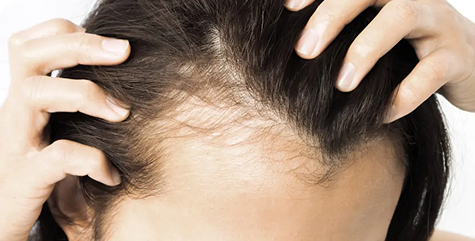
Once the hair finishes growing, it naturally rests, sheds, and then the entire cycle begins again, ideally with the same strength and speed. But in many women, the cycle becomes shorter or weaker over time, which leads to thinning because the new hair that replaces the shed strand becomes finer. The key goal in hair loss treatment is to support this cycle, so every “restart” produces a healthier, stronger strand, not a thinner one.
Factors That Influence Regeneration

Your hair’s ability to regenerate doesn’t depend only on your hair products; it’s influenced by what’s happening inside your body, around your scalp, and on the cellular level. Here are the factors that affect how well your follicles can renew and regrow new strands.
Genetic And Age-related Factors
Your DNA plays a major role in determining how long your hair stays in the growth phase and how strong your follicles are. As you age, your stem cells naturally slow down, and your follicles produce finer, weaker strands.
That’s why you might notice your hair looking less full in your 30s, 40s, or after big hormonal shifts. You can’t change your genetics, but you can support your hair’s ability to regenerate by keeping your scalp healthy and seeking early intervention.
Microenvironment
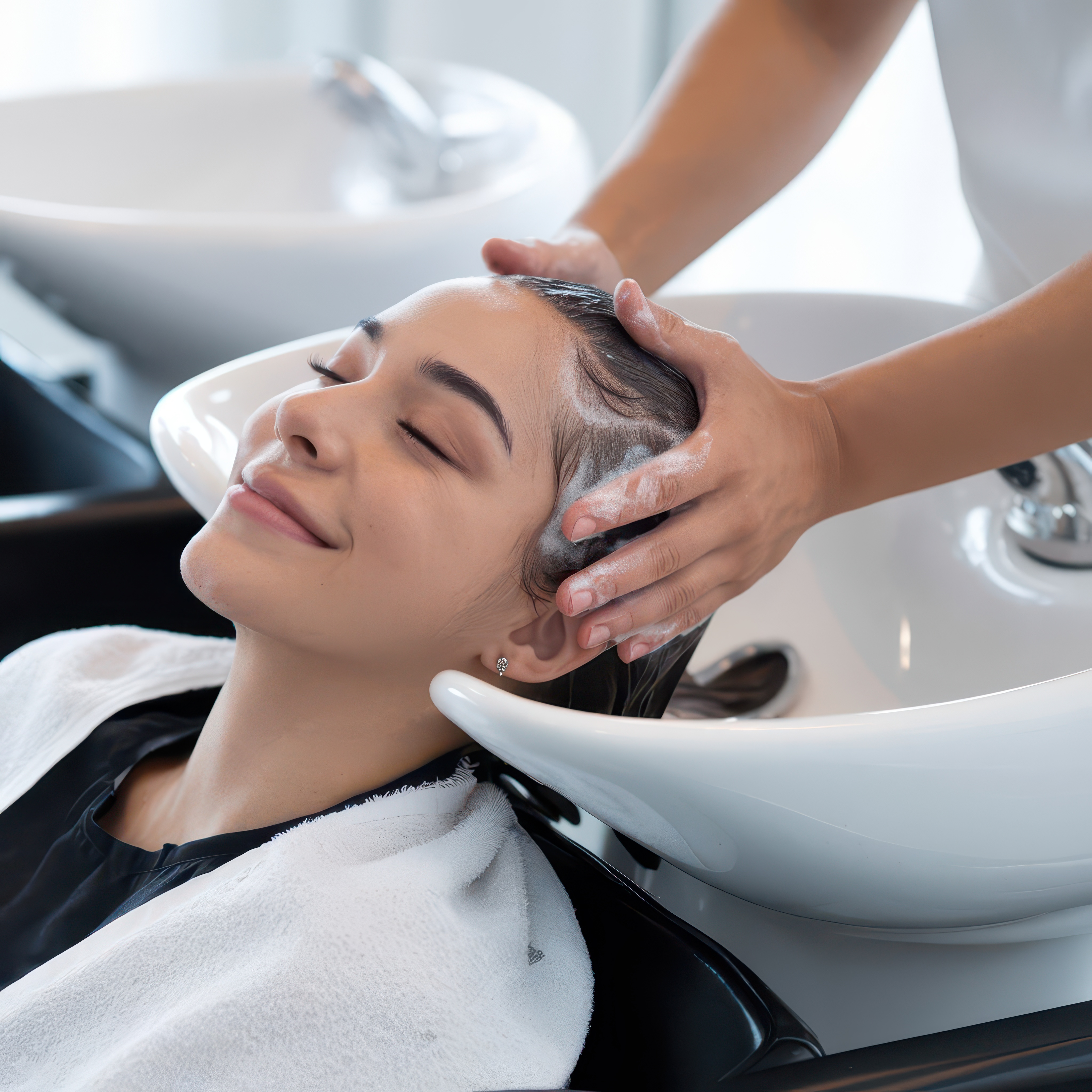
This refers to everything surrounding each hair follicle, blood flow, nutrients, oils, and even inflammation levels on your scalp. If your microenvironment is healthy and balanced, your follicles can stay strong, oxygenated, and well-nourished.
But if there’s chronic inflammation, poor circulation, or buildup on your scalp, regeneration slows down, and new strands grow out thinner. Simply put, your follicles need the right “environment” to grow well, the same way plants need healthy soil.
External signals
These are signals that come from outside the follicle but influence how it behaves, such as hormones, stress hormones (cortisol), growth factors, and even medications. These signals can either “tell” your follicles to actively grow hair or cause them to go into resting mode early.
Stress, for example, can send signals that push follicles to shed faster. That’s why lifestyle habits, hormonal balance, and even the treatments you choose directly affect how strong your next hair cycle will be.
Implications for Hair Loss
When you understand how regeneration works, you’ll realize that hair loss is not just about shedding; it’s also about whether your follicles can recover and produce new strands. Here’s what that means in real-life situations:
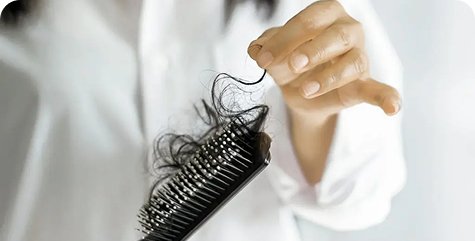
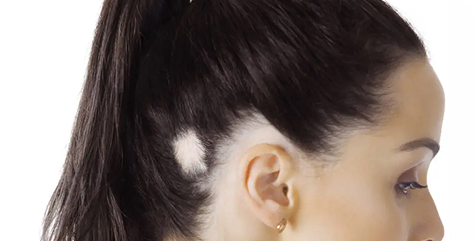
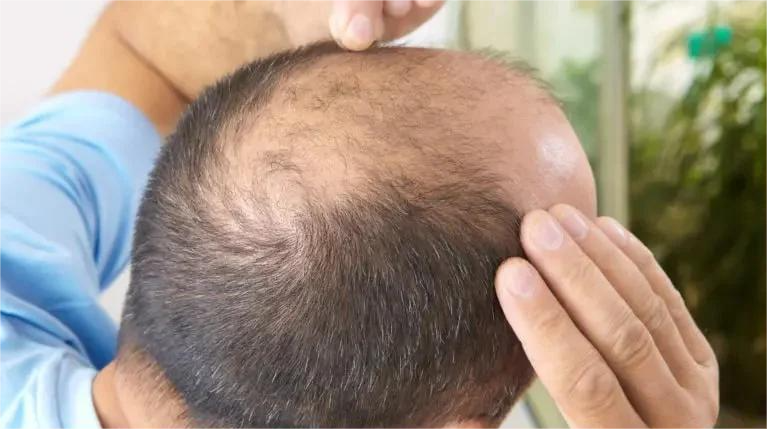
- Damaged follicles – When follicles get damaged and can no longer regenerate properly, they start producing thinner strands until eventually they stop producing hair at all.
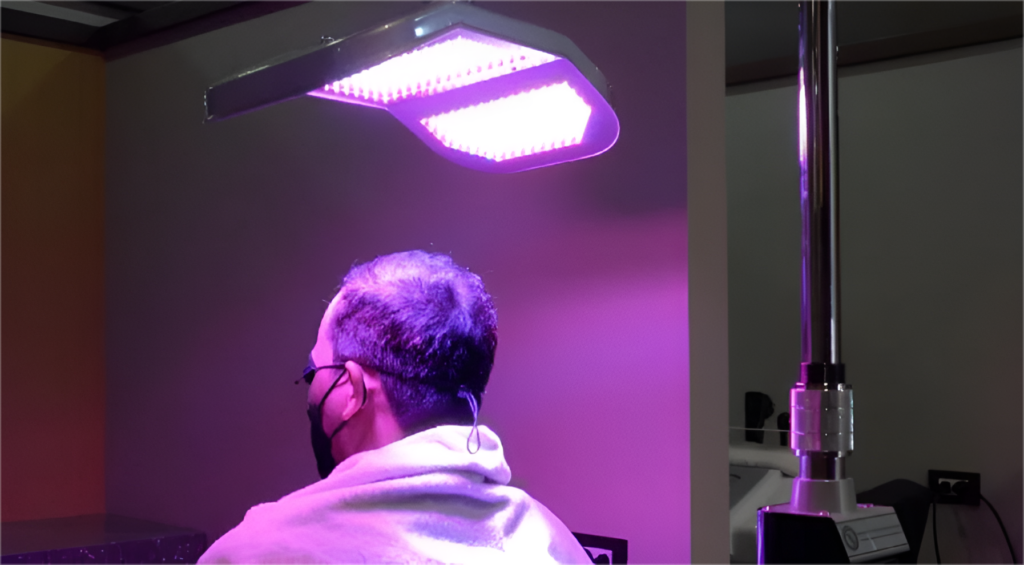
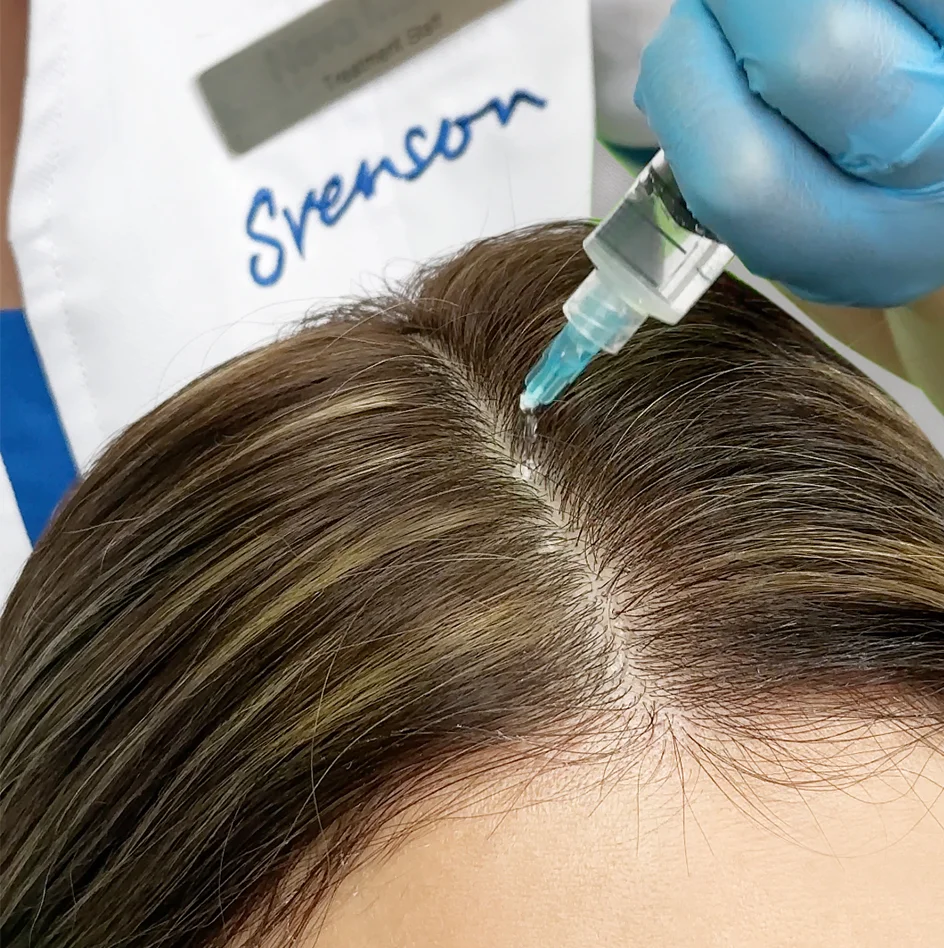
- Therapeutic approaches – This is why targeted treatments that protect or reactivate follicles, like medical-grade therapies, are crucial because they directly influence whether your hair can grow back and how strong it can become.
Key Takeaway
Understanding hair follicle regeneration gives you clarity on how hair truly grows back, and why regrowth can still happen even after periods of thinning, stress, or heavy shedding. When you understand what your follicles need, you’re able to make smarter decisions to support your hair instead of feeling helpless whenever you experience hair loss.
At Svenson, we’re here to guide you through every stage of your hair recovery. Book a consultation so we can assess your scalp, identify what your follicles need, and recommend the right treatment plan, so you can finally take back control, support better regrowth, and rebuild your confidence strand by strand.