What are the daily habits that support hair loss recovery?
- Daily scalp care
- Gentle hair handling and styling
- Diet and hydration
- Stress management and lifestyle
Overview
- Small, consistent actions such as proper scalp care, balanced nutrition, gentle handling, and a healthy lifestyle can help create a stronger foundation for regrowth and improve long-term results.
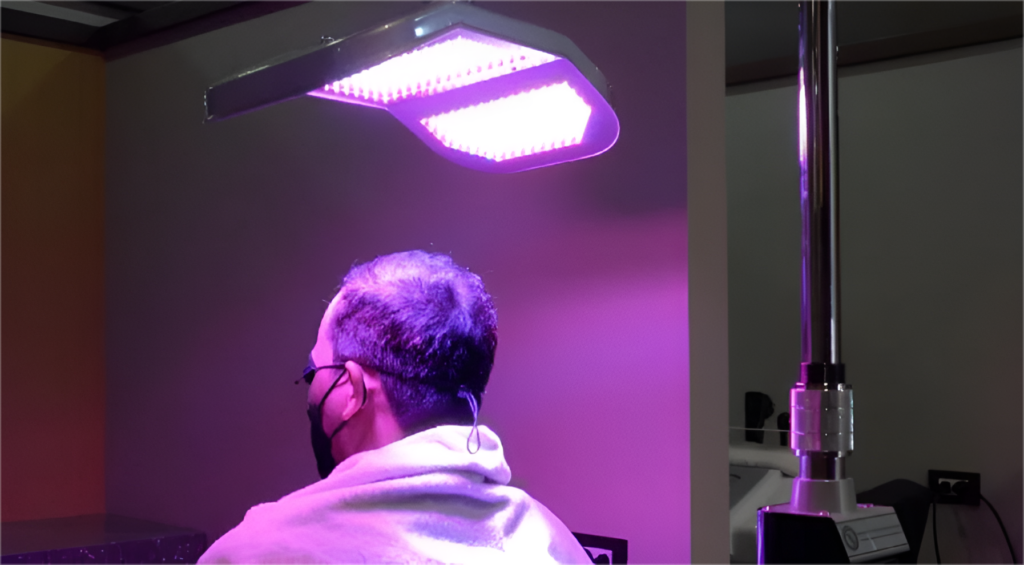
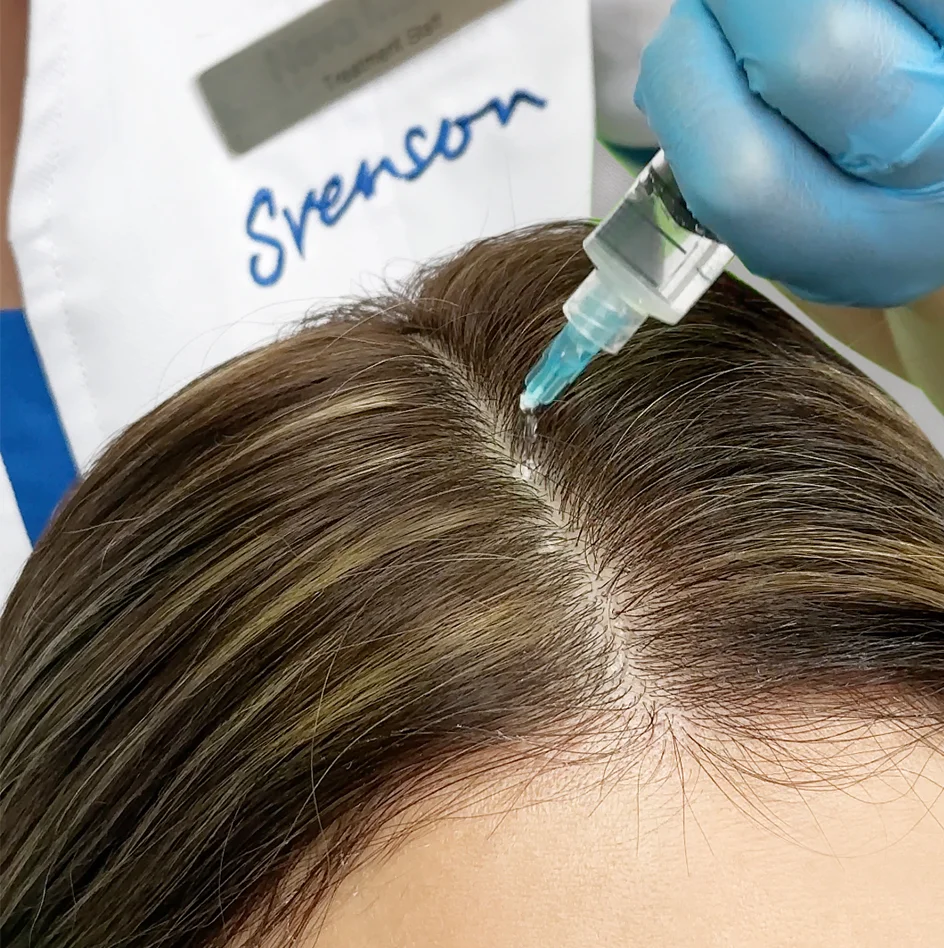
- At Svenson, treatment plans are designed to work alongside these routines, helping support your scalp condition while addressing the underlying causes of hair concerns.
Hair loss recovery is not only about treatments, but it’s also shaped by the small choices you make every day that influence your scalp health and hair growth cycle. When combined with proper care, these habits can help create a stronger foundation for regrowth and better long-term results.
At Svenson, our treatment plans are designed to work alongside daily habits that support hair loss recovery, supporting your scalp’s condition while addressing the root causes of hair concerns.
Daily Scalp Care

Here are simple daily scalp care habits that can support hair loss recovery by keeping your scalp balanced, healthy, and more receptive to regrowth.
Scalp Massage
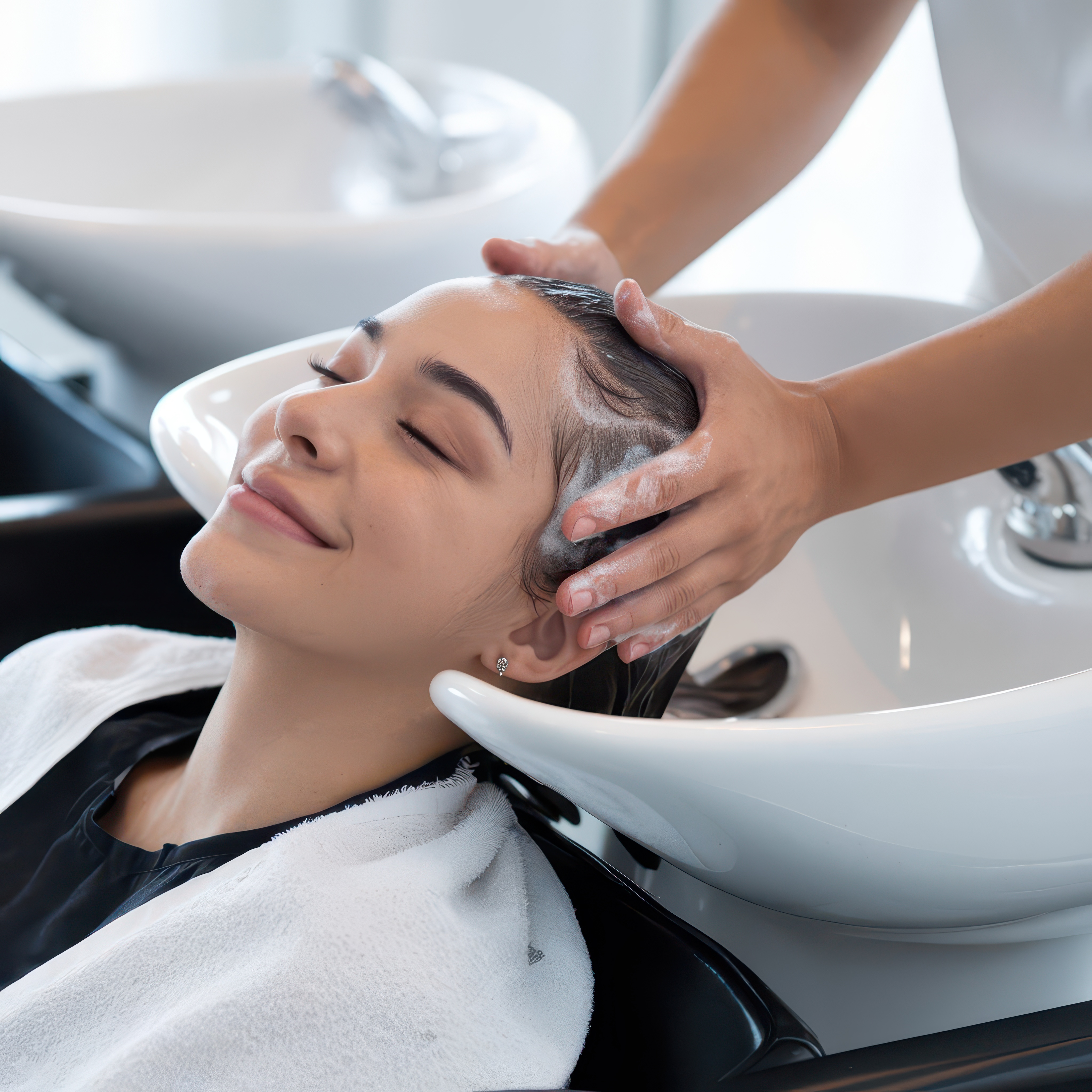
Gently stimulating your scalp with your fingertips in small circular motions helps improve blood flow to the follicles. Focus on areas of thinning and apply light pressure without scratching, for about 5–10 minutes daily or at least several times a week.
Gentle Cleansing
Use a mild, sulfate-free shampoo and avoid harsh detergents or alcohol that can dry or irritate the scalp. When washing, gently massage with your fingertips instead of nails and focus on cleansing the scalp rather than scrubbing the hair strands.
Avoid Very Hot Water
Washing your hair with very hot water can weaken the scalp barrier and strip away natural oils that protect your hair. If the water feels too hot on your skin or causes redness, it’s already too harsh for your scalp. Stick to lukewarm water to help maintain moisture balance and prevent unnecessary dryness.
Diet and Hydration
Here are essential nutrition and hydration habits that can support hair loss recovery by nourishing your follicles from within and improving overall hair growth health.
Increase Protein Intake
Getting enough protein is important because your hair is mainly made of keratin, a type of protein that strengthens each strand. Include foods like eggs, chicken, fish, tofu, beans, and Greek yogurt in your daily meals to help support stronger hair structure.
Consume Iron-Rich Foods
Iron helps deliver oxygen to your hair follicles, which is essential for healthy growth and reduced shedding. You can get iron from foods like lean red meat, spinach, liver, lentils, and fortified cereals, ideally included in your meals several times a week.
Prioritize Essential Nutrients
Your hair also needs key nutrients like zinc, biotin, vitamin D, vitamin B-complex, and omega-3 fatty acids to grow properly. These nutrients support follicle function, improve strand strength, and help maintain a healthy scalp environment. A varied diet with fruits, vegetables, nuts, seeds, and healthy fats ensures your hair gets the support it needs for steady regrowth.
Stay Hydrated
Aim to drink around 6–8 glasses of water daily, or more if you are active or in a hot climate. When your body is dehydrated, your hair can become dry, dull, and more prone to breakage, so consistent water intake plays a simple but important role in recovery.
Gentle Hair Handling and Styling

Here are simple but important hair handling habits that can support recovery by reducing unnecessary stress and breakage on your strands.
Avoid Tight Hairstyles
Tight hairstyles can place constant tension on your follicles, especially around the hairline and temples. Styles like high ponytails, tight buns, or braids may look neat but can weaken roots over time.
Limit Heat Tools
Frequent use of heat tools like straighteners, curling irons, or hair dryers can weaken your hair structure and lead to breakage. If you need to style, always use a heat protectant and keep temperatures moderate.
Avoid Brushing Wet Hair
Hair is at its weakest when wet, making it more prone to stretching and breakage. Instead of brushing immediately after washing, gently pat your hair dry with a soft towel and use a wide-tooth comb once it’s slightly damp.
Stress Management and Lifestyle
Here are simple lifestyle habits that can support hair loss recovery by helping your body and scalp stay balanced, allowing follicles to function more effectively over time.
Reduce Stress
High stress can disrupt your hair growth cycle by raising cortisol levels, which may push more follicles into the shedding phase. Managing stress through simple habits like light exercise or breathing exercises can help calm your system and support healthier, more stable hair growth.
Get Enough Sleep
When rest is insufficient, follicles may weaken, and shedding can increase. Aim for consistent 7–9 hours of sleep each night to help your scalp recover and maintain a healthier growth cycle.
Stop Smoking
Smoking reduces oxygen and blood flow to the scalp, limiting nutrients needed for healthy hair growth. This weakens strands and slows regrowth, but stopping smoking helps improve scalp circulation and supports stronger, healthier hair over time.
Signs Your Recovery Is Progressing
Here are the key signs that your hair loss recovery is moving in the right direction.
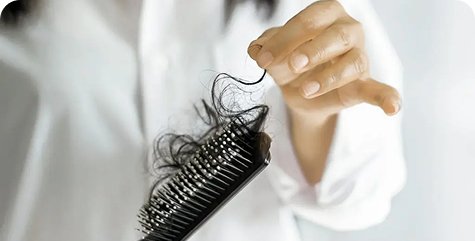
- Reduced hair fall – Noticeably fewer strands on your pillow, brush, or during washing indicate that shedding is slowing down.
- Stronger, less brittle strands – Hair feels more resilient and breaks less easily when styled or combed.
- Baby hairs or visible regrowth – Small, fine hairs appearing along the hairline or thinning areas signal new growth activity.
- Improved scalp condition – A calmer, less itchy, and more balanced scalp shows that the environment for hair growth is becoming healthier.
Key Takeaway
These daily habits that support hair loss recovery play an important role in improving scalp health and encouraging stronger, more stable hair growth. While results take time, simple routines focused on care, balance, and healthy lifestyle choices can gradually help reduce shedding and support better regrowth.
If you’re still experiencing hair loss or slow progress despite your efforts, Svenson offers tailored solutions for your hair needs. Love your hair. Book now! 💛