Postnatal Hair Loss Treatment
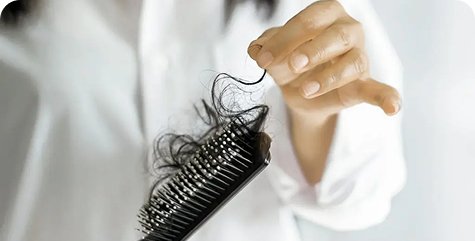
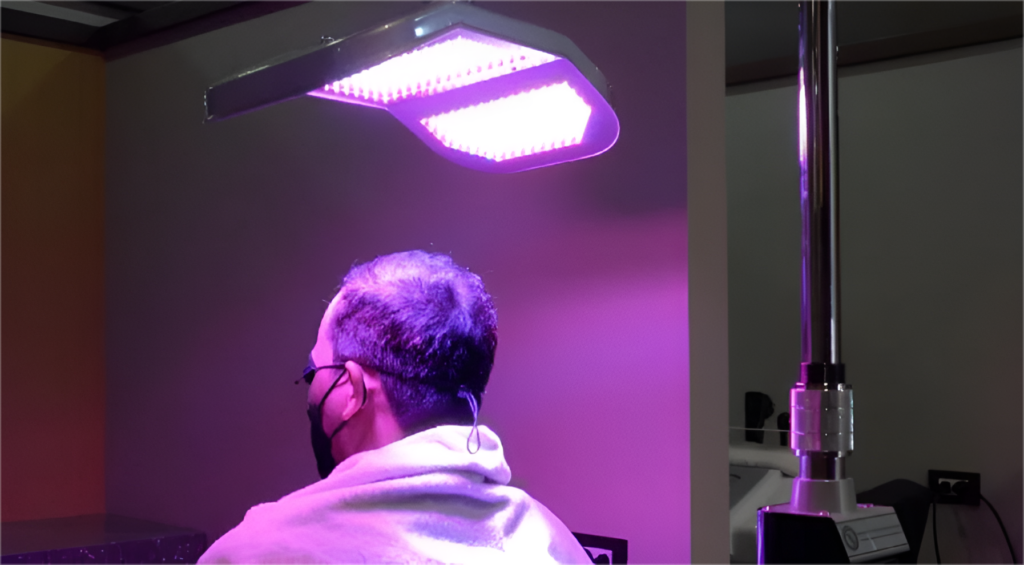
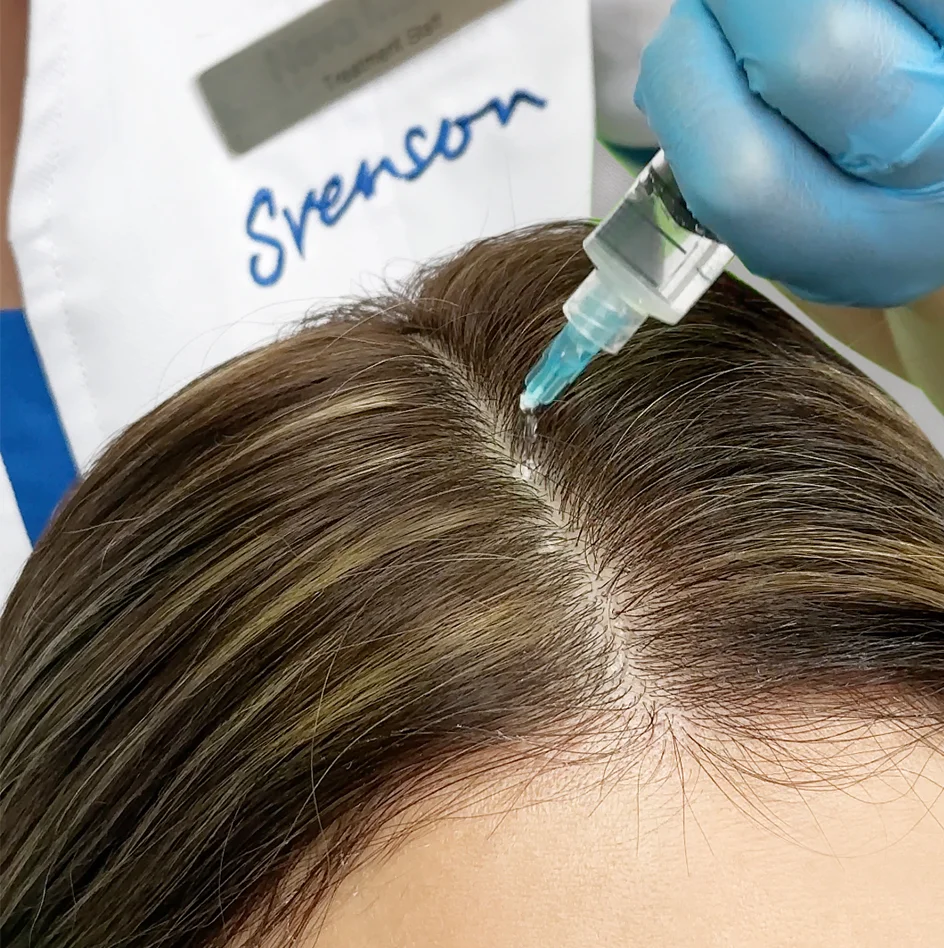
After giving birth, many women experience a shedding of hair retained during pregnancy. Svenson’s hair stimulant treatments are designed to help support new hair growth...
Read More
Ever noticed those tiny, painful bumps hiding beneath your hair? If you’ve ever wondered, “Why do I get pimples on my scalp?”, you’re not alone.
Scalp acne is a common yet often overlooked issue that can be as frustrating as facial acne. Many people experience scalp pimples at some point in their lives, and understanding the underlying causes can be crucial for effective management.
Scalp acne can be as bothersome as any breakout on your face. It can lead to itching, soreness, and even hair loss if not managed properly. Understanding why these pimples appear and how to effectively manage them is key to restoring your scalp’s health and comfort.
In this article, we’ll explore what causes pimples on the scalp, explore how scalp care differs from facial skincare, and offer practical tips for managing and preventing those unwanted bumps.
You might be thinking about how scalp care compares to skincare, especially when considering the question, “Can you get pimples on scalp?” After all, both involve managing oil production, keeping pores clean, and preventing breakouts. But there are some key differences:
Your scalp has a higher density of hair follicles and sebaceous glands, which makes it more prone to oiliness and buildup than your face. However, it’s also more sensitive, so harsh treatments that might work on your skin could irritate your scalp.


While you might use a variety of products on your face, including cleansers, toners, and moisturizers, your scalp usually only gets shampoo and conditioner. This simplicity is both a blessing and a curse—simpler routines mean fewer products to irritate, but it also means you need to choose your products carefully.
You wouldn’t wash your face as infrequently as you wash your hair. While your face benefits from daily cleansing, washing your hair too often can strip it of essential oils, leading to an overproduction of sebum and potential breakouts.
Now, let’s talk about the specific causes of pimples on the scalp and how you can address them.
Understanding the root causes of pimples on your scalp can help you address them more effectively. Here are some common culprits:
Just like your face, your scalp produces sebum, an oily substance that helps keep your hair moisturized. However, too much oil can lead to clogged pores and, eventually, pimples. If your scalp tends to get oily quickly, you might be more prone to breakouts.
Over-washing or using harsh shampoos can strip your scalp of its natural oils, prompting it to produce even more oil in response.
What you can do: Choose a gentle, sulfate-free shampoo that won’t strip your scalp of its natural oils. Consider washing your hair every other day instead of daily to maintain a balanced oil level.
If you love styling your hair, this one’s for you. Hair gels, sprays, and even certain shampoos and conditioners can leave behind a residue that builds up on your scalp over time. This buildup can clog your pores and lead to breakouts.
What you can do: Make sure to thoroughly rinse out all products when you wash your hair. Consider using a clarifying shampoo once a week to remove any lingering residue.
Why is my scalp breaking out after a workout? Sweat might be the answer. When you sweat, the moisture can mix with the natural oils and dirt on your scalp, creating the perfect environment for bacteria to thrive. This can lead to pimples, especially if you don’t wash your hair soon after exercising.
What you can do: If you can’t wash your hair immediately after a workout, try rinsing it with water or using a dry shampoo to soak up excess oil and sweat. Keep your hair off your forehead and neck during exercise to reduce sweat buildup.
Hormones play a significant role in acne, whether on your face or your scalp. Fluctuations in hormones—such as during puberty, menstruation, pregnancy, or stress—can lead to an increase in oil production, which can cause scalp acne.
What you can do: While you can’t always control hormonal changes, maintaining a consistent scalp care routine can help manage breakouts. If you notice a pattern with your scalp acne, it might be worth discussing hormonal treatment options with a healthcare provider.


Sometimes, the simplest explanation is the right one. Not washing your hair often enough can lead to a buildup of oil, dirt, and dead skin cells, all of which can clog your pores and cause pimples.
What you can do: Stick to a regular hair-washing routine that suits your scalp’s needs. Most people find that washing their hair every two to three days works well, but you may need to adjust based on your scalp’s oiliness.
You’ve probably heard that your diet can affect your skin, and the same goes for your scalp. Foods that are high in sugar, dairy, and refined carbs can trigger breakouts by increasing oil production and inflammation in the body.
What you can do: Try incorporating more fruits, vegetables, and whole grains into your diet. Reducing your intake of sugary snacks and dairy products might also help improve your scalp’s condition.
Stress is a major factor when it comes to skin issues, including scalp acne. When you’re stressed, your body produces more of the hormone cortisol, which can increase oil production and inflammation, leading to breakouts on your scalp.
What you can do: Incorporate stress-relief techniques into your daily routine, such as exercise, meditation, or even just taking time to relax. Managing your stress can have a significant impact on the health of your scalp.
Sometimes, no matter what you do, you might still find yourself asking, “Why do I get pimples on my scalp?” The answer might be in your genes. If scalp acne runs in your family, you might be more prone to developing it yourself.
What you can do: While you can’t change your genetics, you can manage your symptoms with a consistent scalp care routine and professional treatments like scalp rejuvenation treatments. These treatments can help reduce the occurrence of scalp acne and improve your scalp’s overall health.

If you’ve tried everything and are still struggling with scalp acne, it might be time to consult a professional. Persistent scalp acne could be a sign of underlying issues, such as scalp inflammation or other conditions that need specialized treatment.
A professional can provide targeted solutions like the scalp rejuvenation treatment at Svenson, which is designed to treat and prevent scalp acne.
For more information on the underlying causes, check out this guide on the causes of scalp inflammation.

Understanding what causes pimples on the scalp is the first step toward managing and preventing them. From oily hair to stress and everything in between, there are plenty of factors that could be contributing to your scalp acne.
Start by tweaking your hair care routine. Switching to a gentle, sulfate-free shampoo can help keep your scalp balanced without stripping away essential oils. Also, be mindful of your diet—cutting back on sugary and dairy-heavy foods can make a difference.
But sometimes, home remedies and lifestyle changes aren’t enough. That’s where Svenson’s professional treatment comes into play. Svenson can help target the root causes of scalp acne, helping to reduce inflammation and promote a healthier scalp.
Combining all these adjustments with Svenson’s expertise can make a real difference. With the right approach and a bit of professional help, you can achieve a clear, healthy scalp and finally say goodbye to those bothersome bumps.
Your email address will not be published. Required fields are marked *