Postnatal Hair Loss Treatment
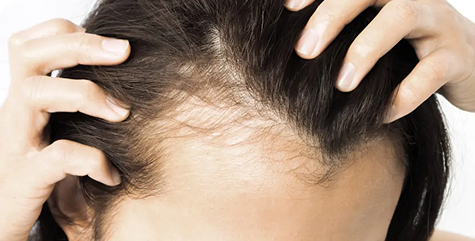
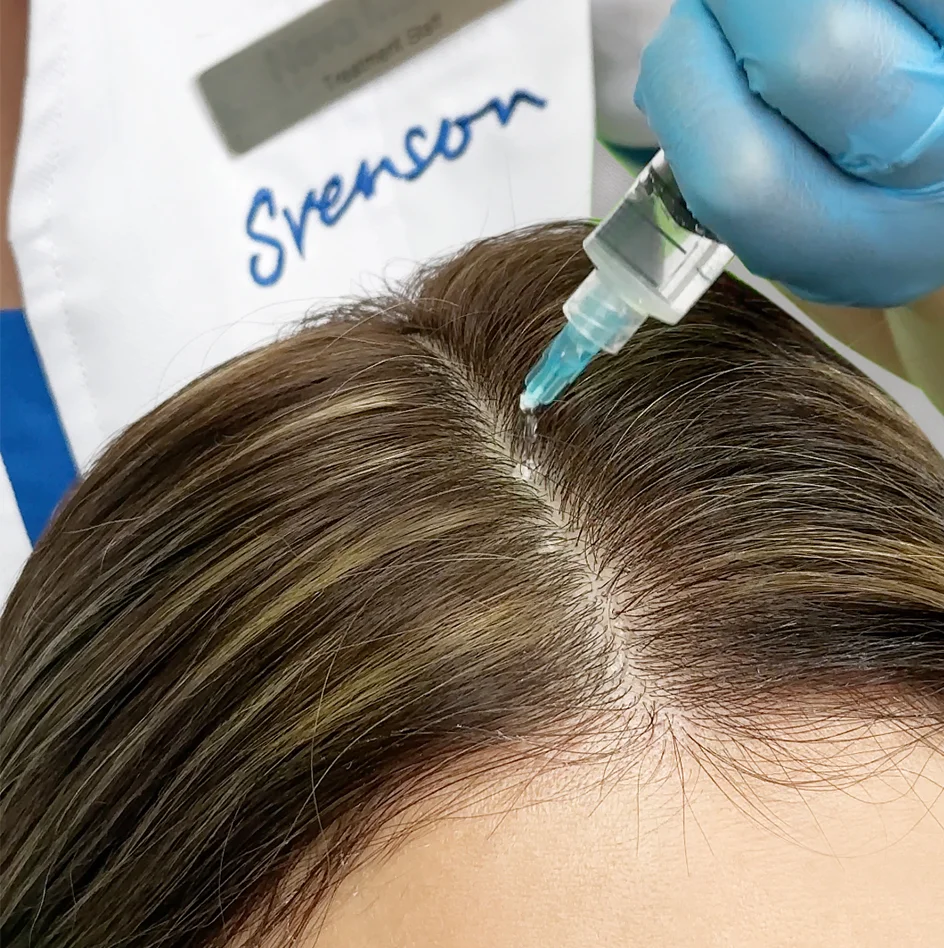
After giving birth, many women experience a shedding of hair retained during pregnancy. Svenson’s hair stimulant treatments are designed to help support new hair growth...
Read MorePimples on scalp can be particularly frustrating because they are often harder to treat and more difficult to notice until they become quite inflamed. You might find yourself questioning whether these bumps are acne or if they’re caused by something else.
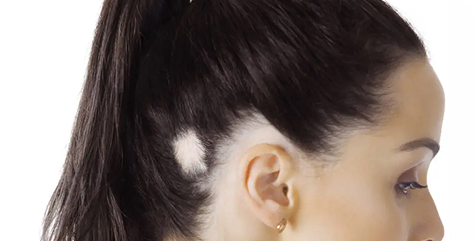
But how do you know if it’s acne or just another type of bump? And how can you get pimples on the top of your head? In this article, let’s explore the best ways to identify and manage pimples on the scalp.
Scalp pimples, also known as scalp acne, are just like the pimples you get on your face or body. They occur when hair follicles on your scalp become clogged with oil, dead skin, and bacteria. This can lead to inflamed, red, and sometimes painful bumps. These pimples can appear anywhere on your scalp but are most commonly found along the hairline, at the crown, or on the back of the head.
So, if you’ve ever thought, “Why do I have pimples on my scalp?” now you know that it’s quite similar to the acne that appears elsewhere on your skin.

Identifying scalp acne can be tricky, especially since other conditions cause bumps on the scalp. So, how do you know if the pimple-like bumps on your scalp that hurt are acne? Here are some key characteristics of scalp pimples:
If you’re noticing these symptoms, you might be dealing with scalp acne. However, there are other conditions to consider that can cause bumps on your scalp, so let’s look at those next.

Not every bump on your scalp is a pimple. Other conditions can cause similar symptoms, and it’s important to differentiate between them:
If you’re unsure whether you have pimples on your scalp or another condition, it might be a good idea to consult a dermatologist or visit a professional scalp corrective treatment center for an accurate diagnosis.
Understanding the causes of pimples on scalp is the first step to preventing them. Here are some common culprits:
Once you’ve identified that you have scalp acne, the next step is treatment and prevention. Here are some effective strategies:
The first and most crucial step in managing pimples on the scalp is keeping your scalp clean. Regular washing with a gentle, sulfate-free shampoo can help remove excess oil, dirt, and product buildup. If you’re prone to scalp acne, look for shampoos that contain salicylic acid or tea tree oil, which are known for their acne-fighting properties.
Be mindful of the products you’re using on your hair. Avoid heavy, oily products that can clog your pores, and opt for non-comedogenic (won’t clog pores) formulas instead. If you use styling products, try to keep them away from your scalp or apply them sparingly.
Just like your face, your scalp can benefit from regular exfoliation. Scalp scrubs or exfoliating shampoos can help remove dead skin cells and prevent clogged pores. However, be gentle—over-exfoliating can irritate your scalp and make the pimples worse.


If you’ve been sweating, whether from a workout or a hot day, try to rinse your hair and scalp as soon as possible. Sweat can trap dirt and oil on your scalp, leading to pimples on your scalp if not washed away.
If you’re dealing with persistent or severe scalp acne, it might be time to consider professional help. Treatments like the professional scalp corrective treatment at Svenson can help clear up your scalp and prevent future breakouts. These treatments often include deep cleansing, exfoliation, and the use of medicated products that target acne at its source.
While pimples on the scalp are usually manageable with home care, there are times when you should seek professional help. If your scalp acne is severe, very painful, or not responding to over-the-counter treatments, it’s a good idea to see a dermatologist. Persistent scalp acne could be a sign of an underlying condition that needs medical attention.


Scalp acne might not be as common as facial acne, but it’s something you can get—and something that can be quite uncomfortable. Fortunately, with the right care and attention, you can manage and even prevent these pesky pimples. Remember, a clean scalp is a healthy scalp, so make scalp care a regular part of your routine.
If you’re struggling with persistent or severe scalp acne and over-the-counter remedies haven’t delivered the results you need, Svenson’s professional scalp corrective treatments might be the solution you’re looking for.
For more information on how Svenson can help you manage and prevent scalp acne, visit our website or contact our experts for a consultation. Taking this step towards specialized care can make a significant difference in achieving a clearer, healthier scalp and boosting your overall confidence.
Your email address will not be published. Required fields are marked *