Overview
- Hair loss affects millions worldwide, prompting the development of advanced treatments to restore hair health and confidence.
- Modern solutions range from non-surgical therapies to surgical interventions, tailored to individual needs for effective results.
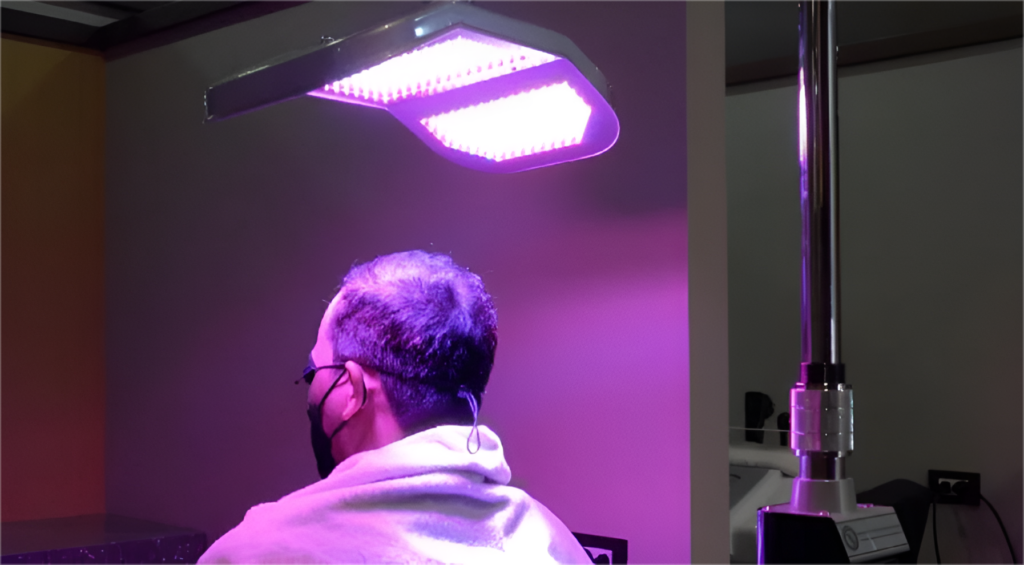
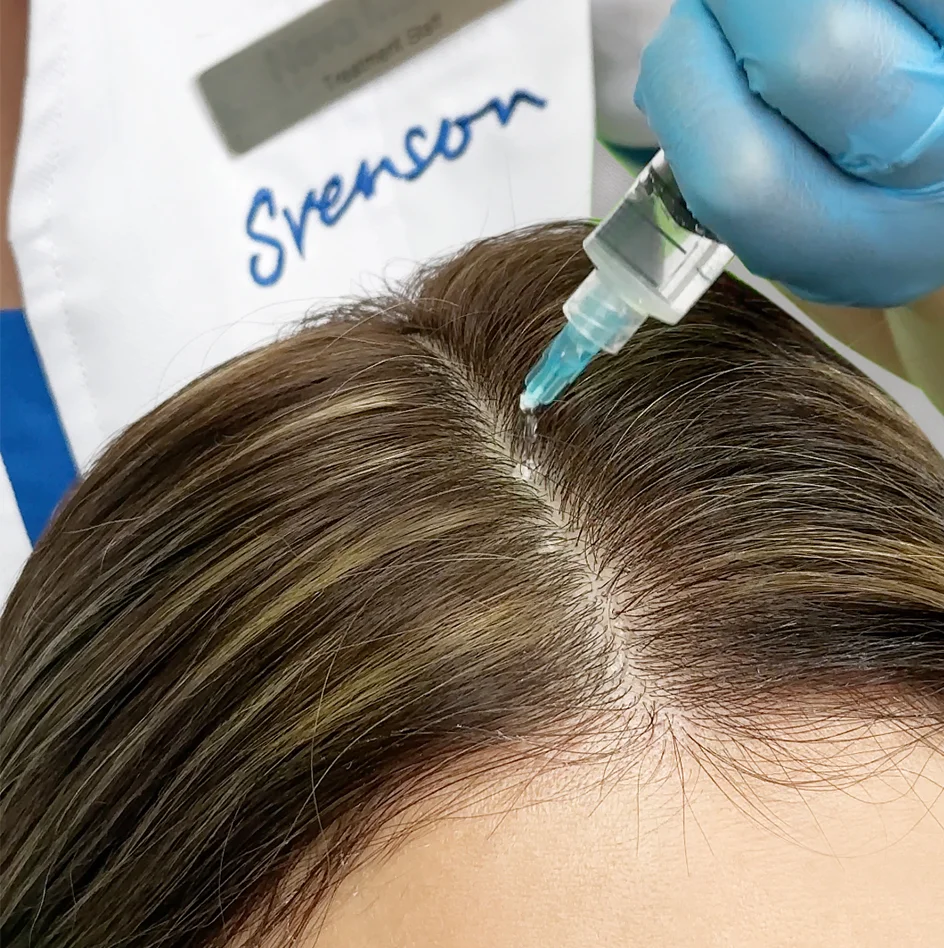
- Svenson, a leading hair loss treatment authority with decades of expertise, offers comprehensive, science-based programs that address scalp and hair concerns with personalized care and cutting-edge technology.
When you notice your hairline slowly creeping back, the feeling can be unsettling. For many, it starts subtly, a little more forehead showing in photos, a struggle to style your hair the way you used to, or friends casually pointing out that your hair seems thinner.
While it’s a natural part of aging for some, for others, it becomes an everyday source of frustration and self-consciousness.
The good news is, today’s hair restoration treatments provide more efficient solutions than before. So read on to learn more to know where you can find the best hair transplant for a receding hairline.
Where Can You Find a Hair Transplant for a Receding Hairline in the Philippines?
Svenson stands at the forefront as the go-to clinic for anyone dealing with a receding hairline in the Philippines. Known for our proven hair restoration practices, we provide customized treatments designed to achieve natural, long-lasting results.
What truly sets Svenson apart is our high commitment to understanding each client’s different hair loss stories before recommending any solution. With our team, we make restoring your hairline and your confidence safer, more seamless, and effective than ever.
Causes of a Receding Hairline

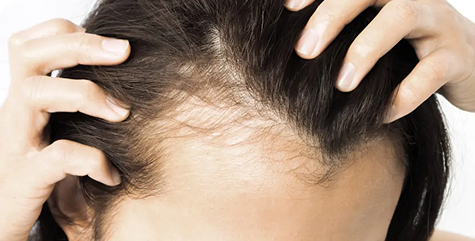
A receding hairline is a type of hair loss where the hair at the front of the scalp gradually moves backward, exposing more of the forehead. It usually begins near the temples and progresses in an M-shaped pattern, which can happen to anyone.
While several people attribute it solely to aging, many underlying factors can trigger this gradual hair loss, making it a staple to understand what’s causing the concern before seeking treatment.
Genetics and Androgenetic Alopecia
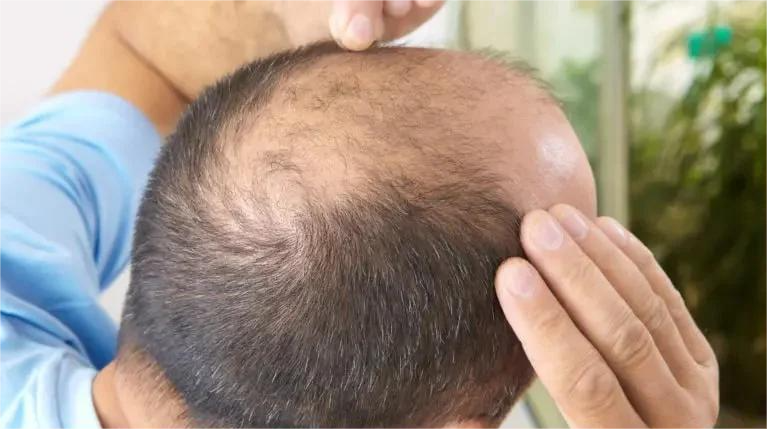
A receding hairline often develops gradually, with genetics playing a major role. The most common cause is androgenetic alopecia, a hereditary condition that causes hair follicles to shrink over time. As a result, new hair grows in finer and weaker until growth eventually stops in certain areas.
This condition affects both men and women—though it typically starts earlier in men—often beginning at the temples or crown and progressively leading to thinning and a more noticeable receding hairline.
Aging and Hormonal Changes
As we get older, it’s natural for hair density and growth patterns to change. Over time, hair follicles may slow down or stop producing new strands, contributing to a higher hairline and thinner hair around the temples and forehead.
Hormonal fluctuations are also vital in how hair behaves, especially during phases like menopause, pregnancy, or periods of elevated stress. Changes in hormones like androgens can disrupt the hair growth cycle, leading to more recognized thinning and gradual hairline recession.
Recurring Stress
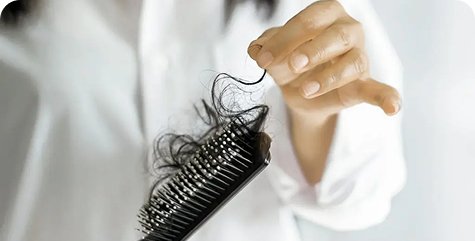
Have you ever noticed more strands falling out while washing your hair during stressful times? Stress doesn’t only affect your mood. It can also impact your hair. Elevated stress levels trigger hormonal changes, particularly an increase in cortisol, which disrupts the natural hair growth cycle. Over time, this pushes more follicles into a resting phase, leading to excessive shedding and, eventually, a receding hairline.
Poor Scalp Health
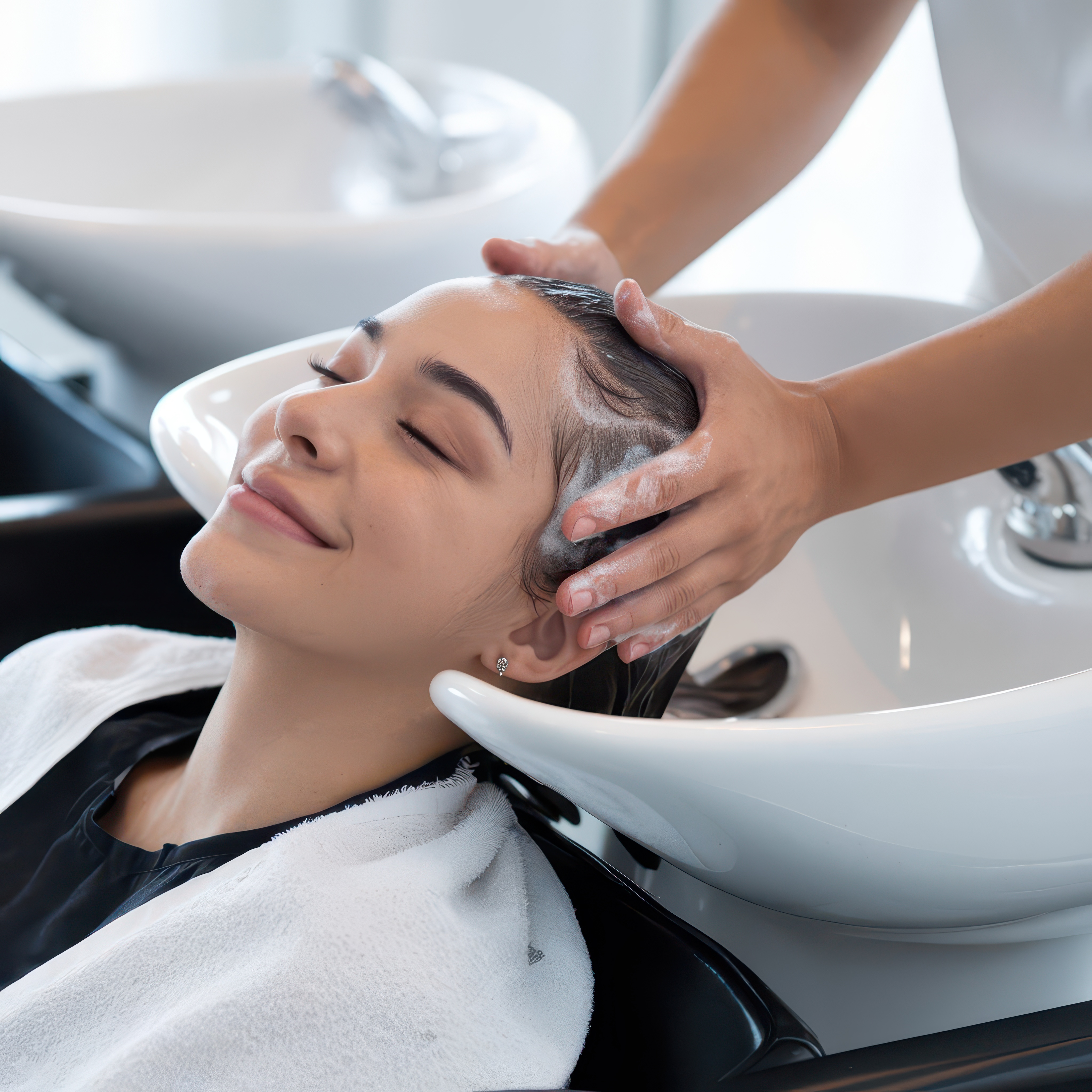
A healthy scalp is the foundation of strong, resilient hair—yet it’s often overlooked. Issues such as dandruff, excess oil, and product buildup can clog follicles, weaken strands, and gradually contribute to a receding hairline. Without proper care, the scalp becomes an unhealthy environment where hair struggles to grow. Addressing these concerns is essential to preventing further thinning and supporting healthier regrowth.
Styling Habits
Everyday styling choices can also play a big role in hairline health. Tight hairstyles, harsh products, and frequent use of heat tools place continuous stress on strands and follicles, making them weaker over time. Many don’t realize that simply pulling hair back too tightly or overusing straighteners can accelerate hairline loss. Choosing gentler styles and products helps protect your strands and preserve your natural hairline.
Svenson’s Personalized Hair Transplant Procedures for a Receding Hairline in the Philippines

Not all cases of hair loss are the same, and the best way to find the right solution is through a proper consultation. Seeking professional advice helps you understand the cause of your hair loss and identify the most effective treatment approach.
At Svenson, we provide personalized, expert-driven solutions designed to achieve natural and lasting results. One of the advanced techniques we offer involves extracting individual hair follicles and implanting them into thinning areas, following your natural growth pattern. This minimally invasive method leaves no visible linear scar and allows for faster recovery, giving you a restored hairline that looks and feels natural.
Key Takeaway
If you’re ready to elevate your hairline restoration, trust the specializations of Svenson. Our experts provide personalized consultations to review your hair loss and recommend the most natural-looking solution for you. Book a consultation today and start your journey toward fuller, healthier hair with our contemporary hair transplant procedures.