Moms and moms-to-be embark on a wonderful journey during pregnancy. However, it’s not all rainbows and sunshine; the physical and emotional changes women experience during pregnancy can take a toll on their health, especially their hair. Not all women experience pregnancy hair loss, but when they do, it can be stressful and make them feel insecure.
Discover the causes of hair loss in expectant mothers in this article, along with some effective hair care tips for women to help ensure a healthy pregnancy journey.
What Causes Hair Loss During Pregnancy?
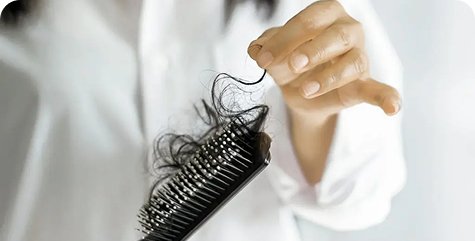
Pregnancy-related hair loss affects roughly 40-50% of women. Even though most women experience thicker locks at this time in their lives, different health factors can trigger hair fall. Here are some reasons why women experience hair loss during pregnancy:
Nutrient Deficiency
Expectant mothers have a higher requirement for many nutrients, such as protein, iron, and calcium. Any change in the amount of these nutrients will affect the body. Many pregnant women also experience severe nutritional deficiencies because of morning sickness. This causes hair to fall out more easily during pregnancy.
Health Problems
Hair loss during pregnancy has been linked to a number of different conditions, including gestational diabetes and dandruff. Hair thinning is also a common side effect of many medications used to treat high blood pressure, depression, and other conditions during pregnancy. Additionally, it has been noted that if a woman’s mother experienced pregnancy hair loss, that woman is more likely to experience hair loss during her own pregnancy.
Stress
Even pregnant women can experience hair loss due to stress. This is because expecting a child and making necessary changes to one’s routine can make pregnancy a trying time. Moreover, stress, insomnia, and other emotional disturbances can exacerbate hair loss during pregnancy.
Hormonal Fluctuations
Hormonal changes are a major cause of hair loss in pregnancy. Because of the hormonal changes that occur during pregnancy, hair growth cycles may alter. Hair thickens during pregnancy because the anagen phase, or growth phase, lasts longer. However, telogen effluvium, characterized by excessive hair shedding, commonly occurs in the postpartum period due to a sudden drop in these hormones.
How to Manage Hair Loss Due to Pregnancy
If you’re experiencing hair fall during pregnancy, don’t worry. Prevent further hair loss while caring for your unborn child with these non-invasive maintenance tips and tricks!
Take Supplements
Supplements will help expectant mothers alleviate nutrient deficiencies. Vitamins B1, B2, B6, B7 (biotin), and B12 promote hair growth and relieve fatigue during pregnancy and postpartum. Consider taking these vitamins to manage hair loss. These vitamins are designed to give you all the nutrients you need while pregnant, including those that are good for your hair.
Eat Healthy Foods
This is probably the single most effective way to keep your hair from falling out while you’re expecting. Eat a healthy, balanced diet full of nutrients. Think about getting more protein, iron, and the antioxidant vitamins A, C, and D into your diet. These nutrients are crucial in preventing hair loss and promoting healthy hair growth. For even more nourishment, you can up your daily intake of foods like eggs, chicken, lentils, fruits, and vegetables.
Lessen Stress
Because of the inherent stress of pregnancy, effective stress management is essential. Take some time out of your day to meditate, do yoga, or take deep breaths. Getting enough sleep and rest is also important for managing stress and improving your health. Consider getting between six and eight hours of sleep every night to lessen your stress.
Comb Gently
Another tip for preventing hair loss in pregnancy is to comb your hair gently. To keep your hair from breaking, use a comb with wide teeth and never comb through wet hair. Avoid damaging heat-styling tools like hair straighteners and curling irons to maintain healthy hair.
Cleanse Your Hair
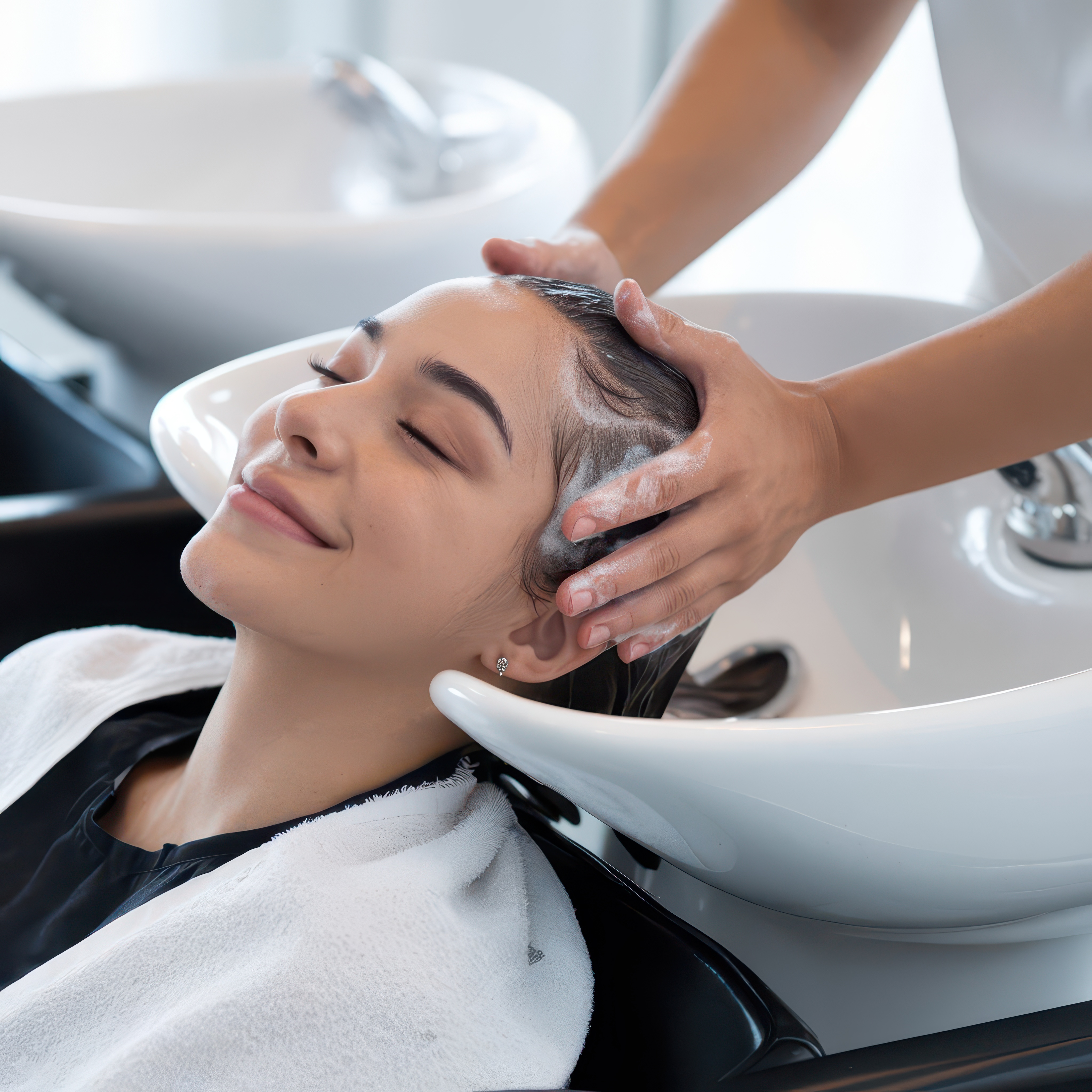
Keep your scalp healthy and prevent the buildup of oils and debris that can lead to hair loss if you wash your hair regularly. When washing your hair, opt for products that are gentle and sulfate-free. Also, wash them at least two to three days a week to keep them healthy.
Massage Your Scalp
A scalp massage with natural oils is a great way to take care of yourself and promote hair growth while you’re expecting. Also, regular scalp massages improve circulation to the hair follicles, resulting in healthier, fuller hair. For extra nourishment and relaxation, try using natural oils like coconut or almond oil.
Skip Harsh Hair Procedures
Protect your hair and scalp from chemical damage by avoiding perms, relaxers, dyes, and other harsh hair procedures. If you’re already losing hair, these treatments could worsen it. Chemicals in some hair dyes, for instance, have been linked to allergic reactions, infections, and other medical issues. That’s why it’s smart to stay away from hair dyes while you’re pregnant, so you won’t suffer from even more hair loss.
Consider Nourishing Hair Products
Give natural hair products a try to nourish your hair. Products like these can strengthen and revitalize the hair, and they’re good remedies for hair fall during pregnancy. Products with biotin, keratin, and essential oils are good bets if you want to stop your hair from falling out.
Consult Hair Experts
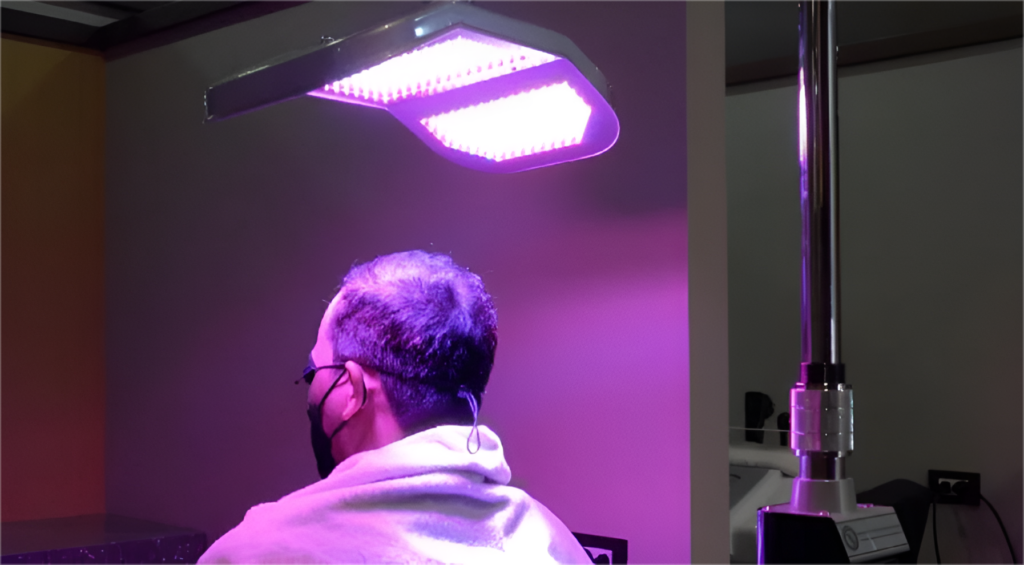
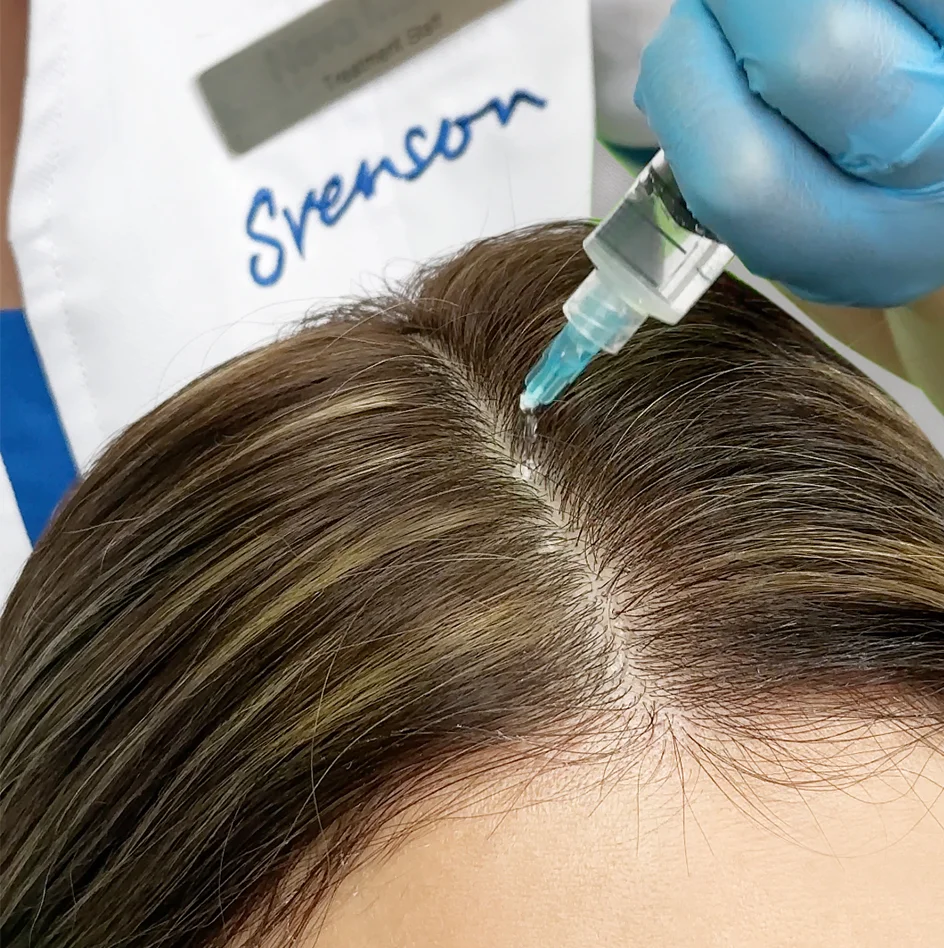
If you’re worried about your hair loss or if it continues after pregnancy, seeing a dermatologist or hair specialist is a helpful next step in managing the condition. Professionals in the field of hair care can give you advice and suggestions that are uniquely suited to your situation. For instance, there are scalp cleansing treatments in the Philippines that can help address hair loss. It cleanses the scalp deeply, restoring its healthier state.
Protect Your Crowning Glory Against Pregnancy Hair Loss
Pregnancy-related hair loss is common and can be distressing, but it can be treated, managed, and prevented. Focusing on the root causes, following a healthy routine, and consulting experts can help pregnant women have healthy hair and a thriving pregnancy journey.
Got more questions about hair loss? Svenson has you back! Message us today, and one of our hair experts will respond to your questions and concerns.
Related Blogs
September 29, 2026
Postnatal Hair Loss Treatment
After giving birth, many women experience a shedding of hair retained during pregnancy. Svenson’s hair stimulant treatments are designed to help support new hair growth...
Alopecia areata is an autoimmune disorder that causes patchy hair loss. Left unaddressed, it can progress and worsen over time. Svenson’s hair stimulant treatments are...
Thinning hair can stem from genetics, stress, or hormonal imbalance. A women’s hair loss specialist at Svenson will assess your condition and recommend treatments tailored...